
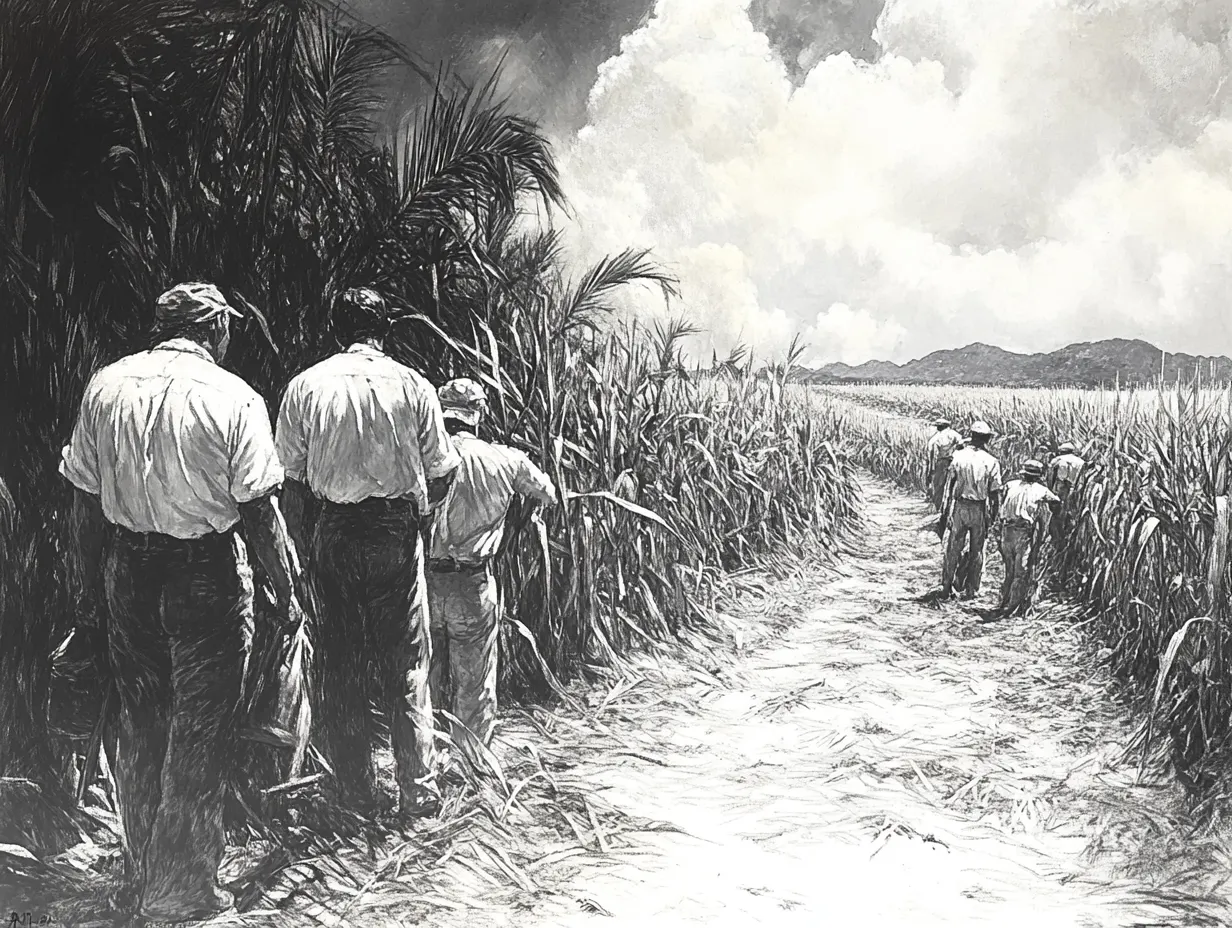
Where the Saipan International Airport handles the routine arrival of commercial jetliners today, two hundred and forty-five acres of sugarcane once gave way to an airstrip. The Japanese Imperial Navy cleared the soil in the early 1930s, working quietly in the Western Pacific to secure a forward outpost. By July of 1933, ten Mitsubishi attack bombers flew in from Tateyama by way of Pagan, set their wheels down on the dirt, and inaugurated Aslito Airfield.
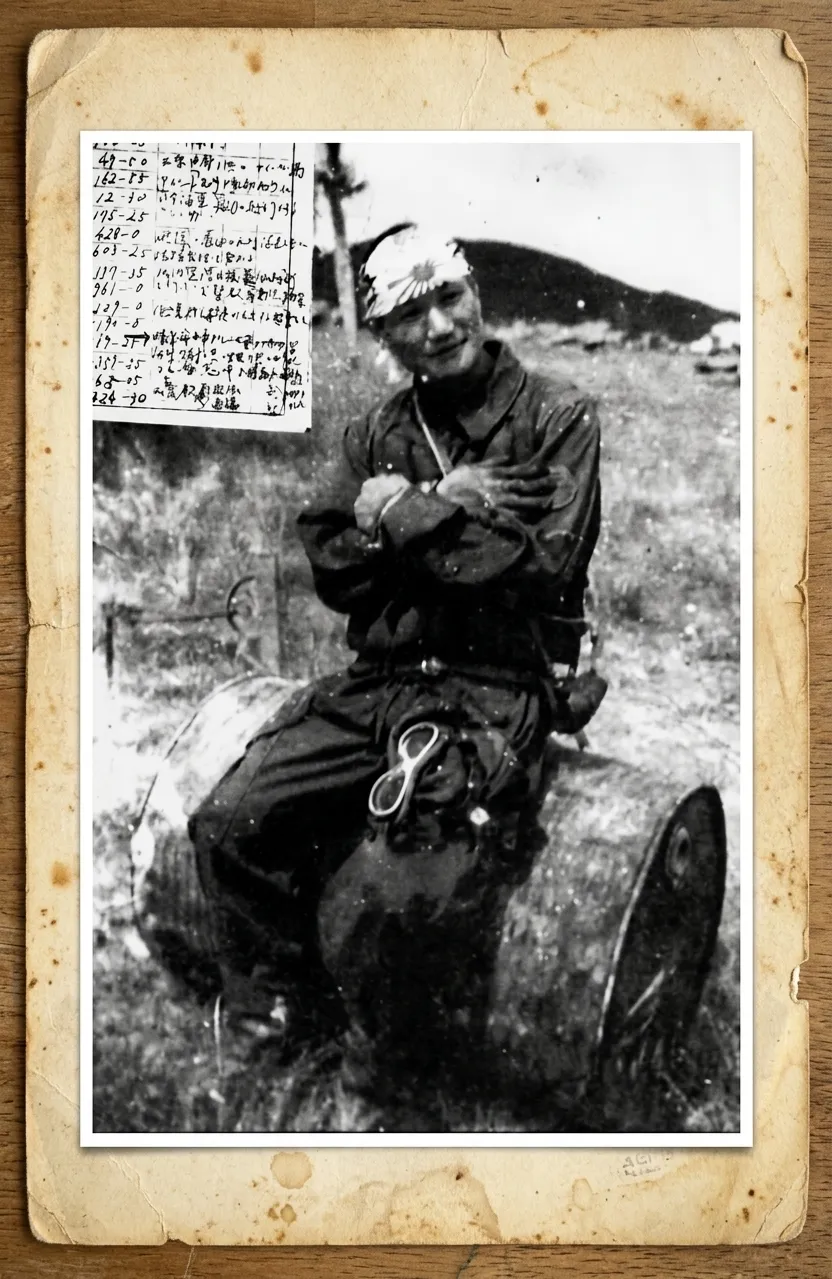
The military departed soon after the exercise, leaving the cleared land to return to quiet. But quiet rarely lasts in strategic waters. By 1937, planners required a larger, L-shaped layout, and the Nanyo Kohatsu Kabushiki Kaisha obligingly surrendered nearly two thousand additional acres of farmland to the enterprise.
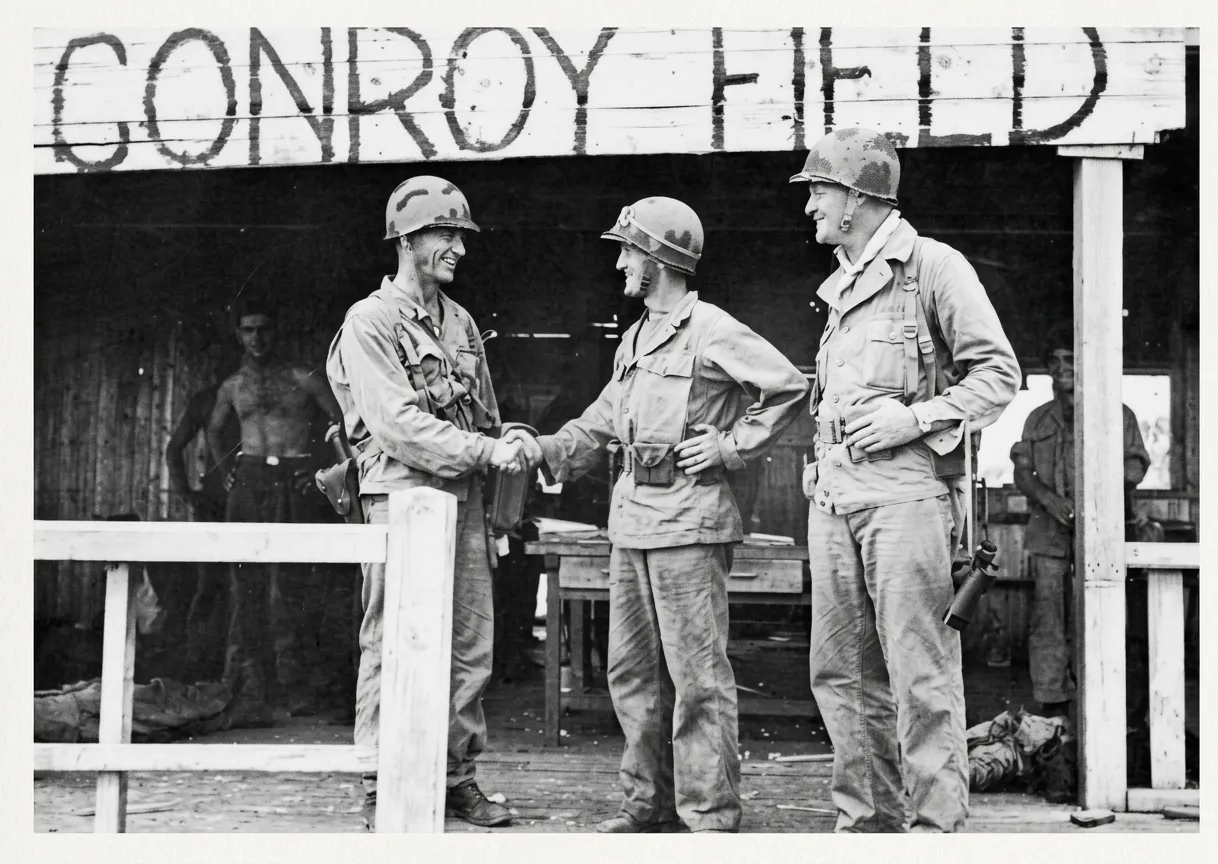
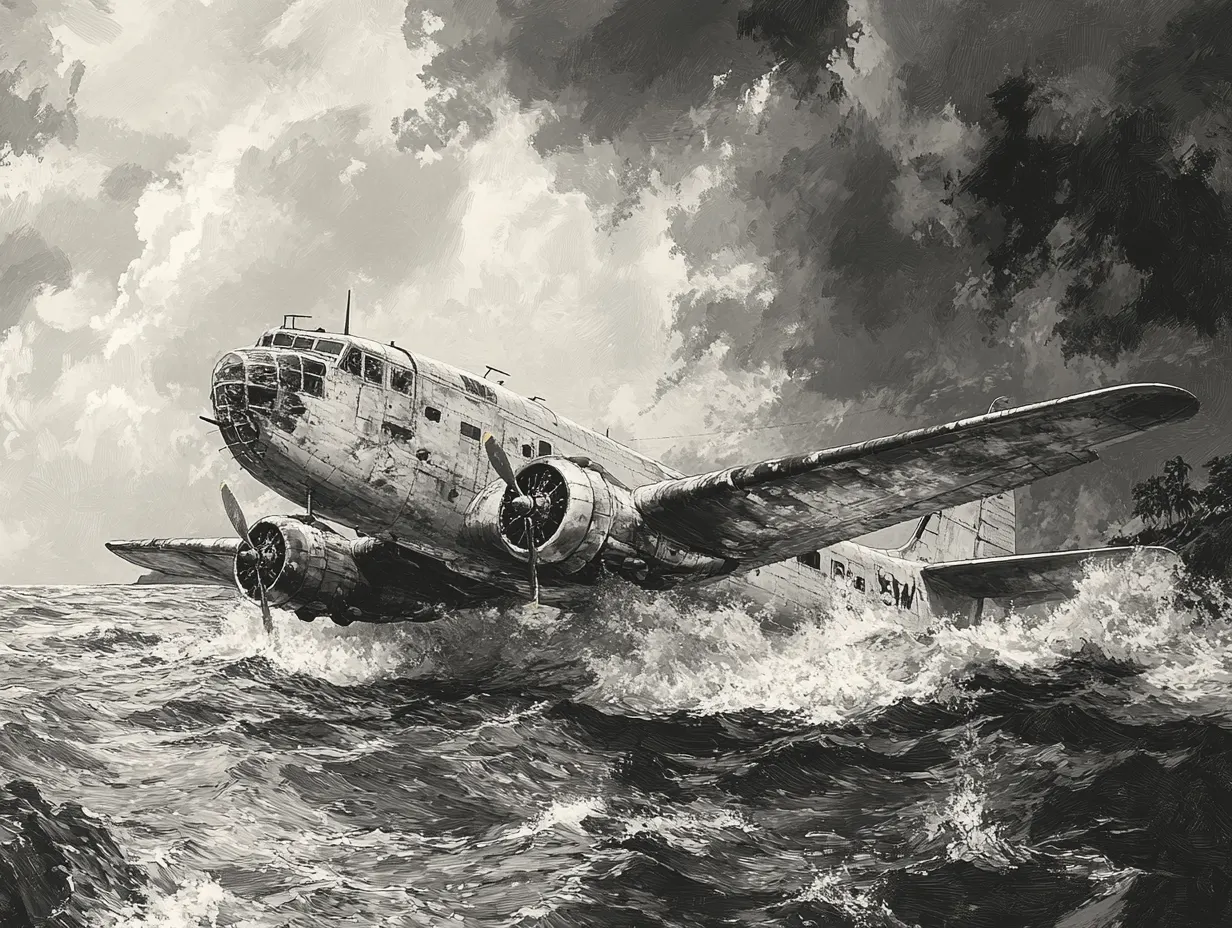
When war reached the Marianas in June 1944, the airfield became the prize. American forces took the ground during the Battle of Saipan, rechristened it Conroy Field, and shortly after named it Isely Field for Commander Robert H. Isely, a Navy pilot shot down over the island. From its runways, B-29s took off into the Pacific sky until the war ran its course.
The military closed Isely Field in 1949, leaving the island to adjust to peacetime. Decades passed before the ground found its modern purpose. On December 15, 1975, the first commercial flight landed on the lengthened runway, opening Saipan to the world beyond the archipelago. The sugarcane is long gone, but the airfield remains where it was first laid out—a place carved from farmland that grew into a gateway.
comments
00