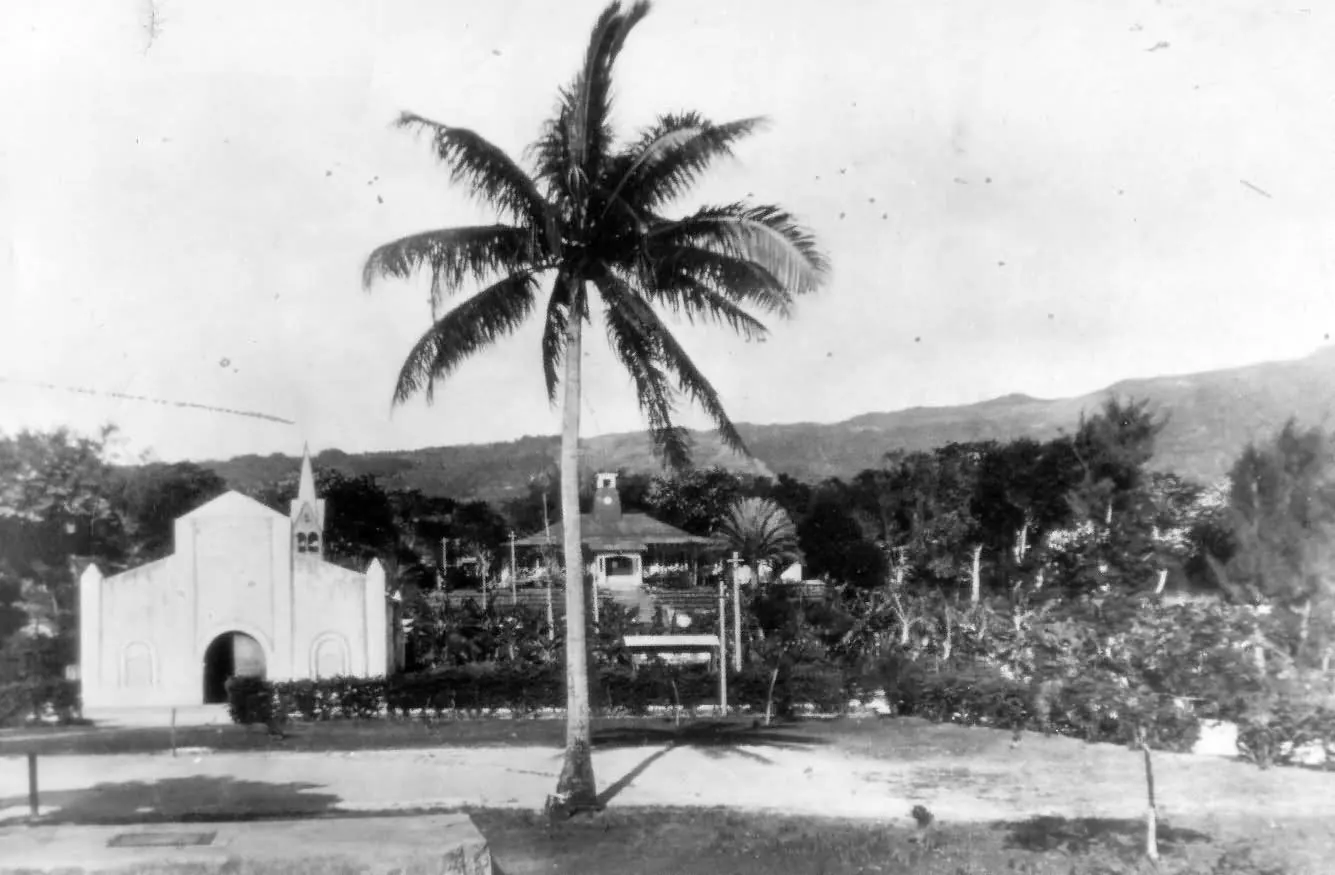
I was driven to the place by a friend who was born and raised on Saipan, which is the only sensible way to get there. We went north, all the way past the old Mariana Resort, out to where the island starts calling itself Marpi, and we pulled over at a stretch of road that looked to me like every other stretch of road. My friend got out as if he had an appointment. I got out and followed him.
The brush there is called takai, and it grows high and green and has no manners. It closes behind you the way water does. My friend went in ahead of me and opened a way through it with his arms, steadily, one side and then the other, the way a swimmer works through heavy water. He had done this before. He didn't look around or hesitate. After about ten minutes he stopped in a spot where the trees and tall grass had grown together overhead into a kind of low green ceiling, and he crouched down, and I crouched down beside him.
The ground was full of things. There were slivers of porcelain, white and blue, some no bigger than a fingernail. There were pieces of glass from Japanese bottles, thick and greenish, one with the curve of a shoulder still on it. Somebody had eaten off those plates. Somebody had poured from those bottles and then, when they were empty, thrown them where people have always thrown the things they're done with. We were squatting in a kitchen midden, the leftovers of ordinary meals, and the meals were Japanese.
The limestone in Marpi keeps a calendar so long that thirty years hardly shows. Still, thirty years is what it took, from 1914 to 1944, to give that ground the accent it still speaks with.
It started, as these things often do, while everyone was looking the other way. In the late summer of 1914 Europe set itself on fire, and Japan, which was allied with Britain and had a good eye for an opening, sent ships south to relieve Germany of its Pacific islands. Germany had bought the Northern Marianas from Spain only fifteen years earlier and didn't put up much of an argument. I find this mildly comic, the islands changing hands like a coat at a party. The people living on them, I suspect, found it less so. After the peace at Versailles, the League of Nations made it official with something called a Class C mandate, which is the kind of phrase that can hand over an archipelago without anyone raising their voice. The Marianas were now part of the Nan'yō, the South Seas, and Tokyo meant to do something with them.
Mostly it did sugar. And on Saipan, sugar meant a man named Haruji Matsue.
I like Matsue more than I probably should. He wore a straw hat, he had an appetite for sugar that bordered on the religious, and he was the sort of businessman who looks at an island and thinks at once of railroad track. In 1921 he founded the Nan'yō Kōhatsu Kaisha, which everybody sensibly shortened to the N.K.K., and he did what neither the Spaniards nor the Germans had managed: he made the place pay. He laid track. He cleared forest so thoroughly that a glacier would have been impressed. Within a few years the hills were covered in cane, green and rippling, and the cane rode the narrow rails down to the mill, and the mill turned it into money. There is a statue of him on Saipan today, looking pleased with himself. He earned it, depending on whom you ask.
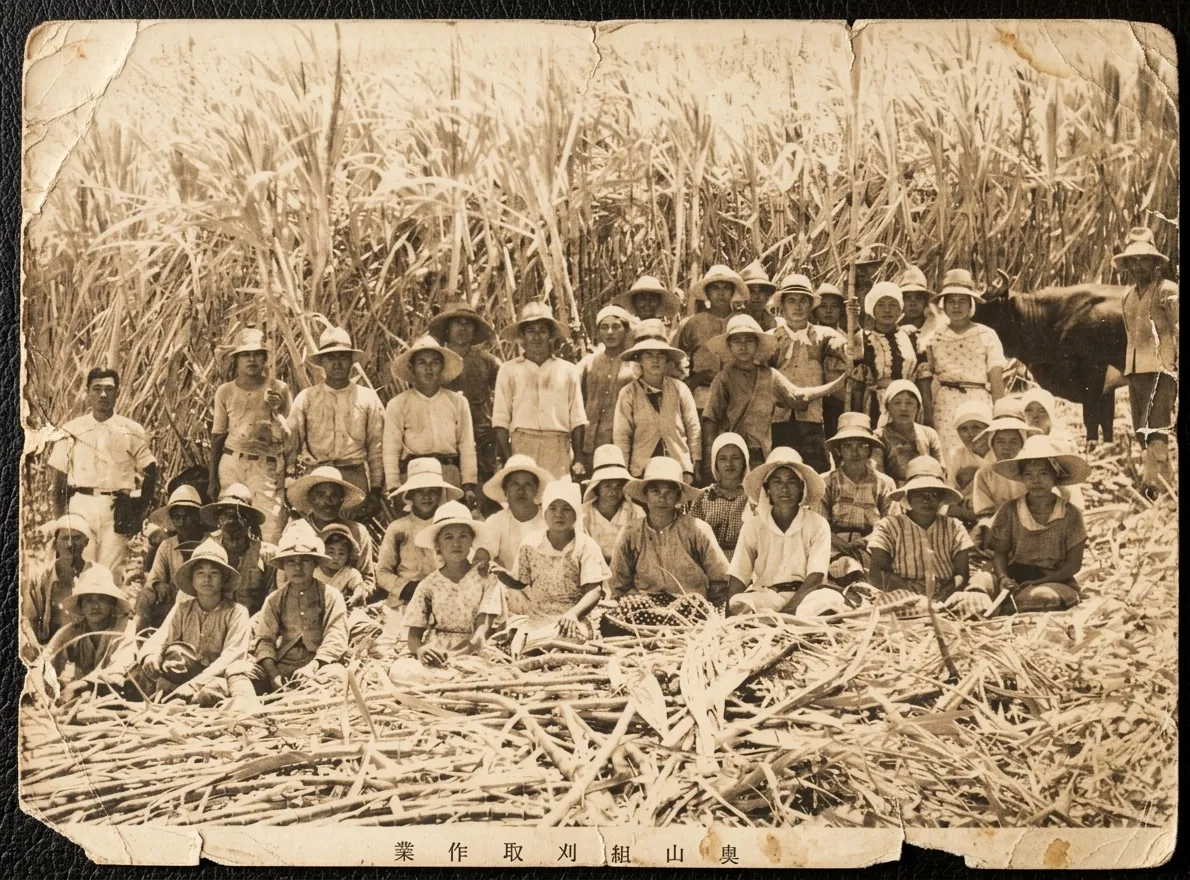
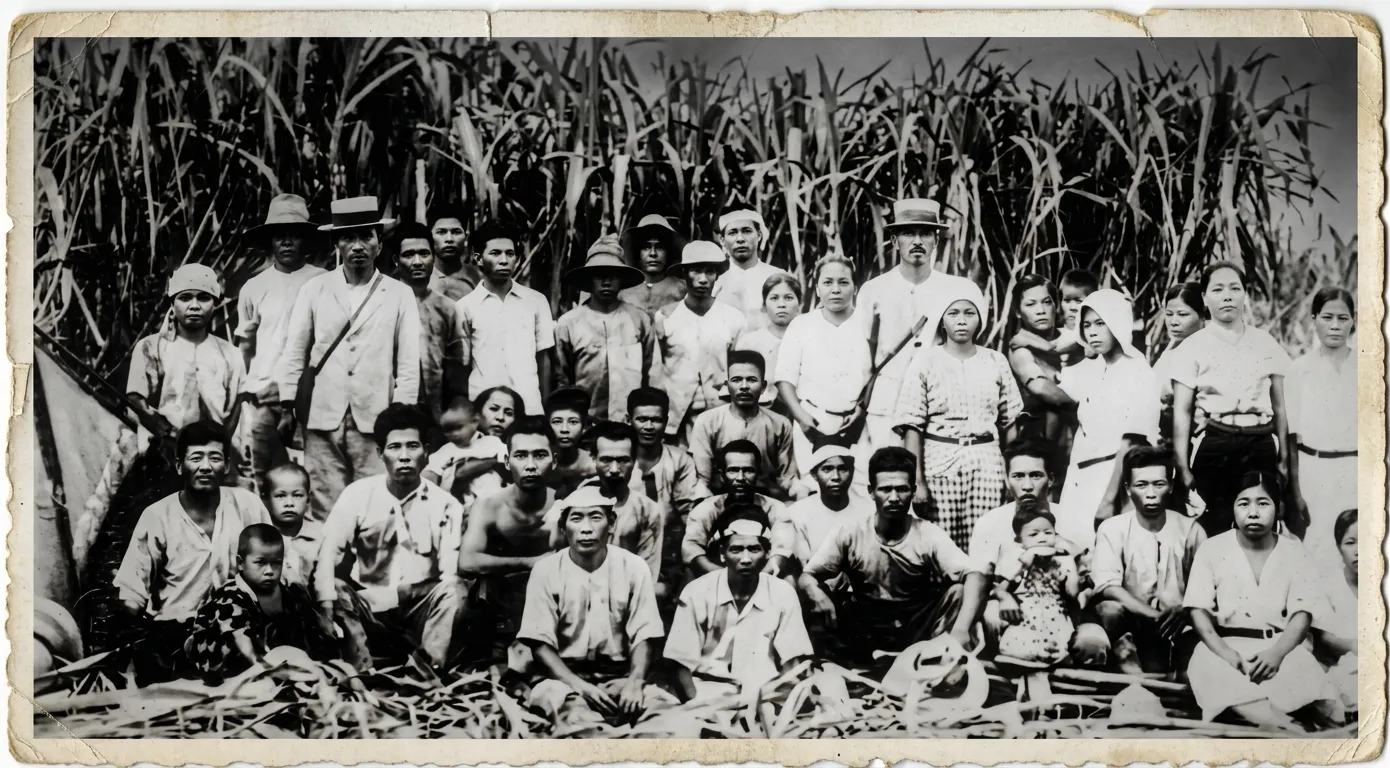
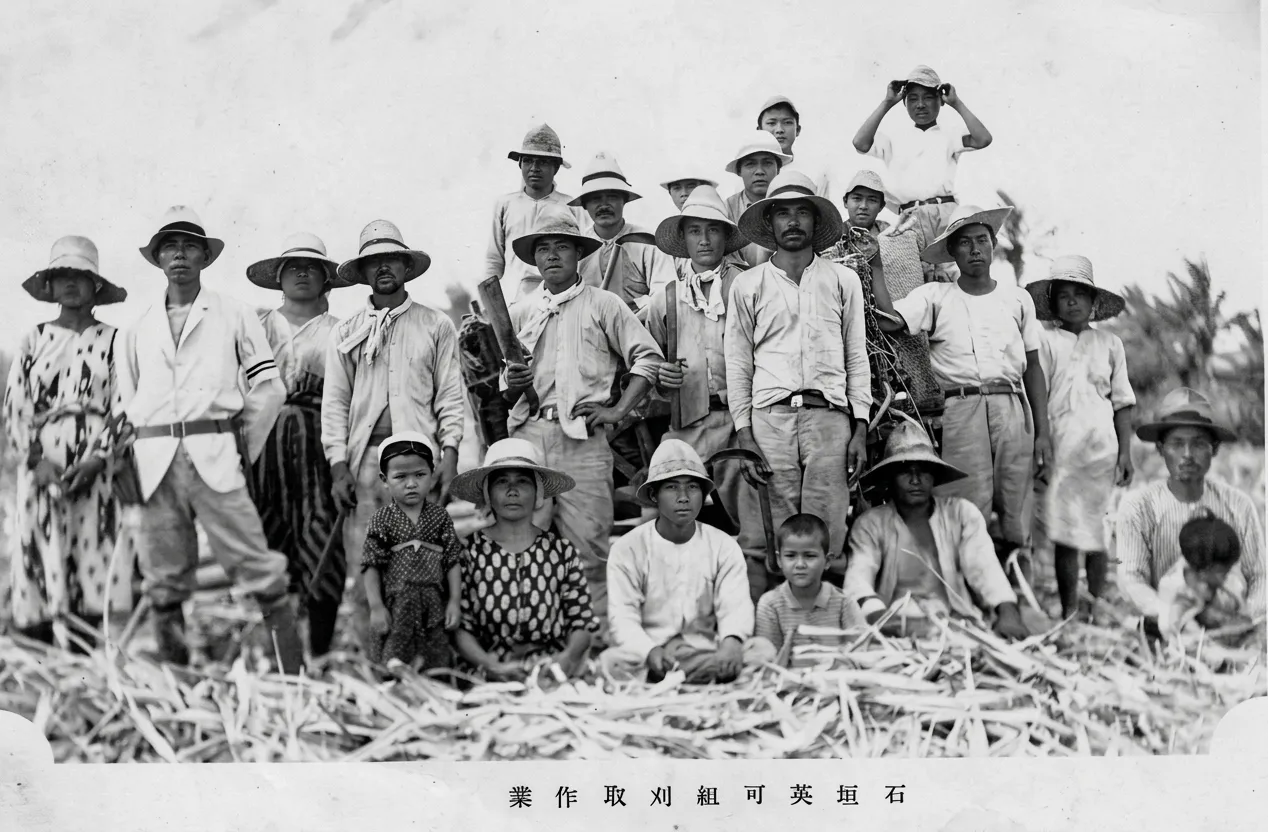
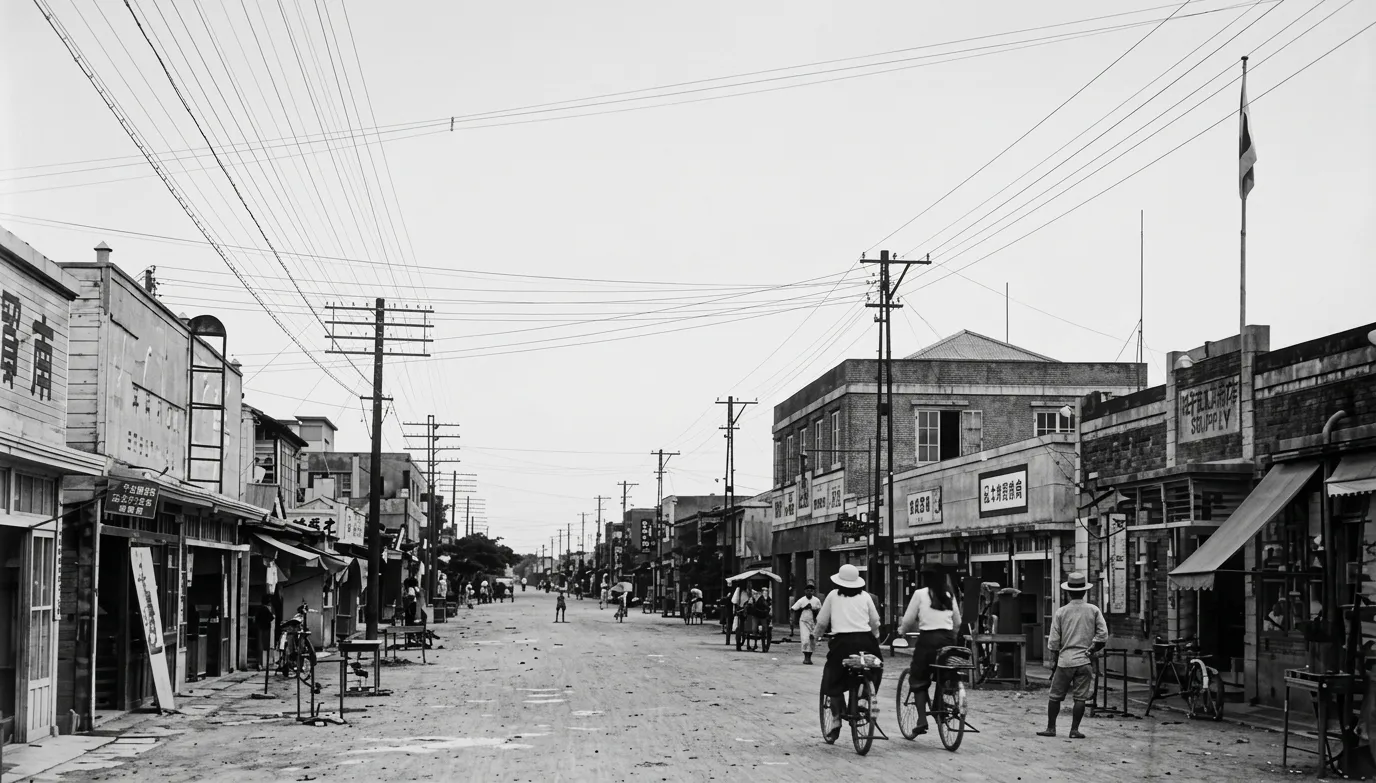
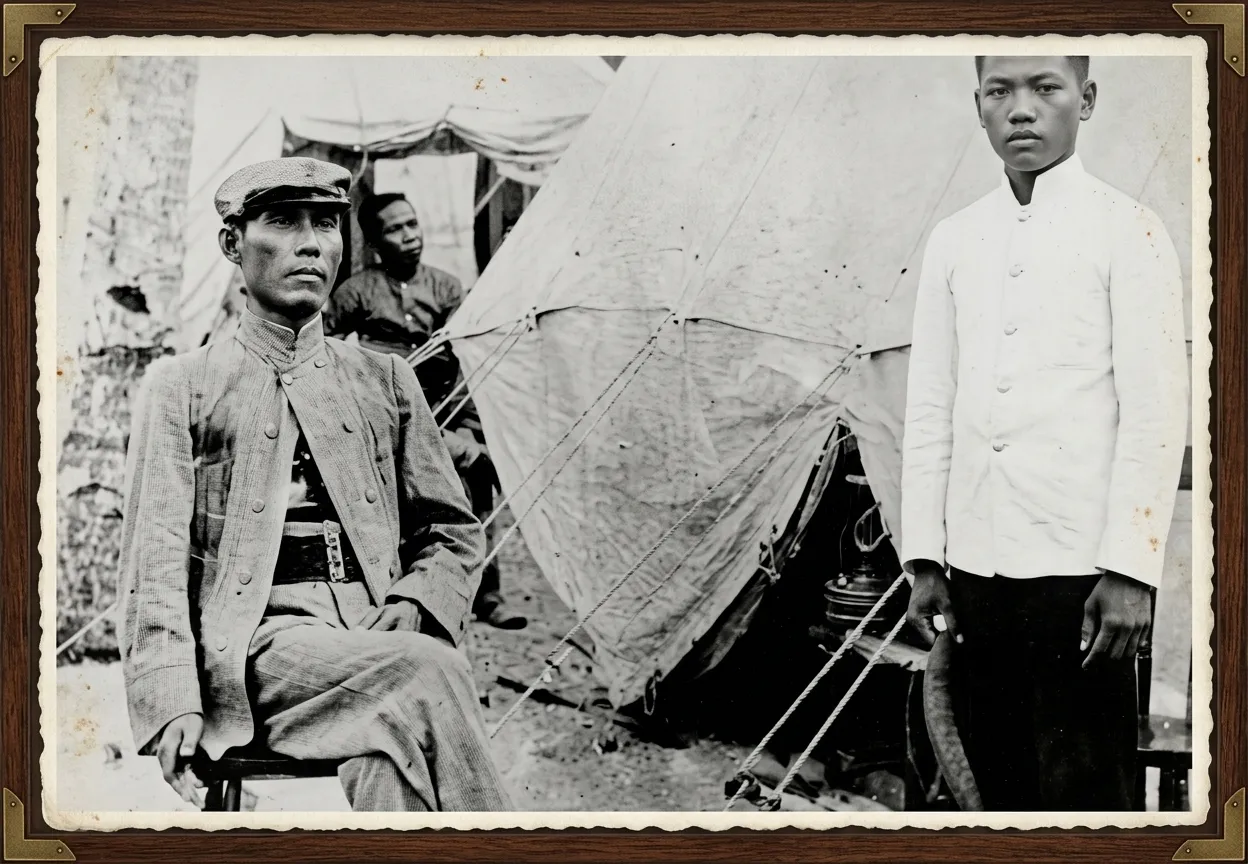
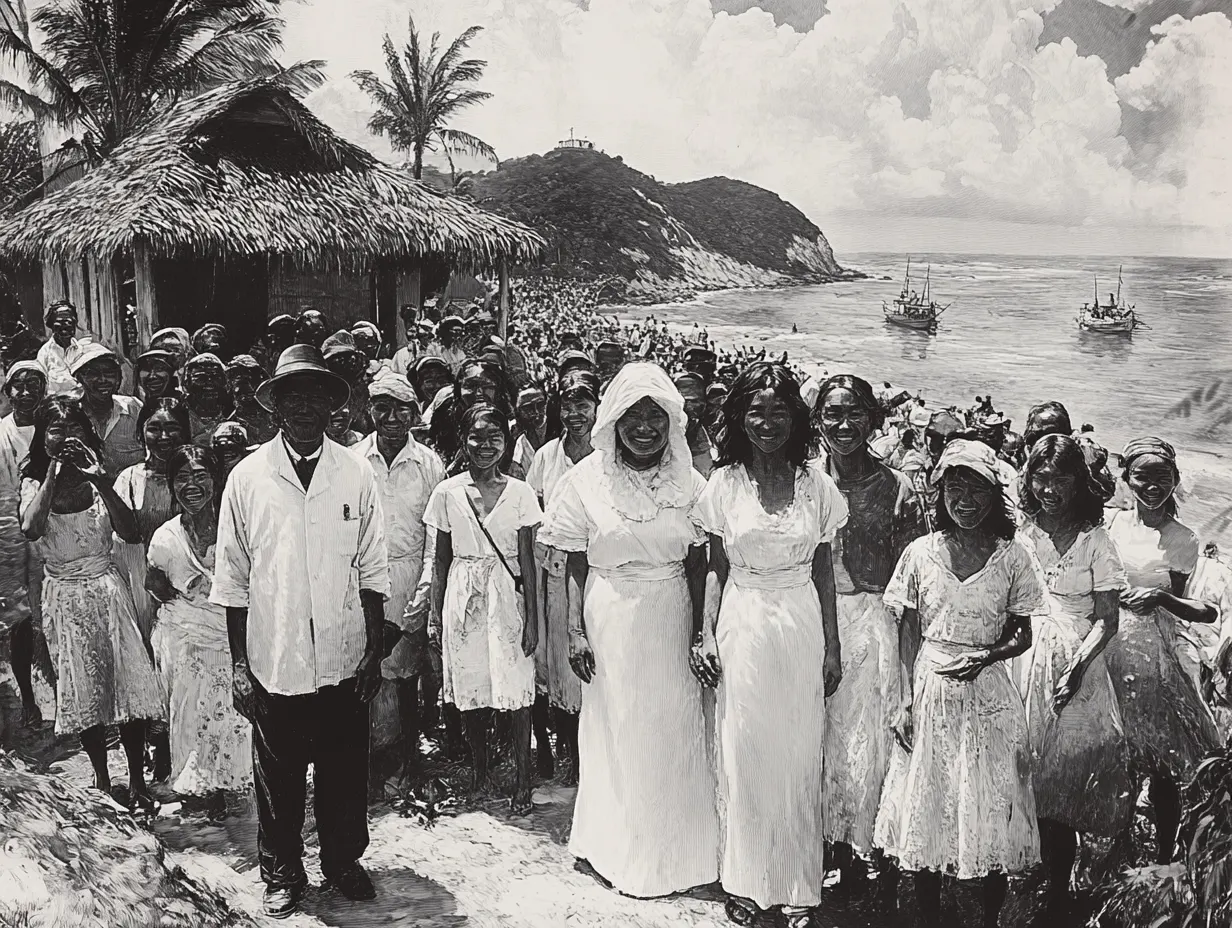
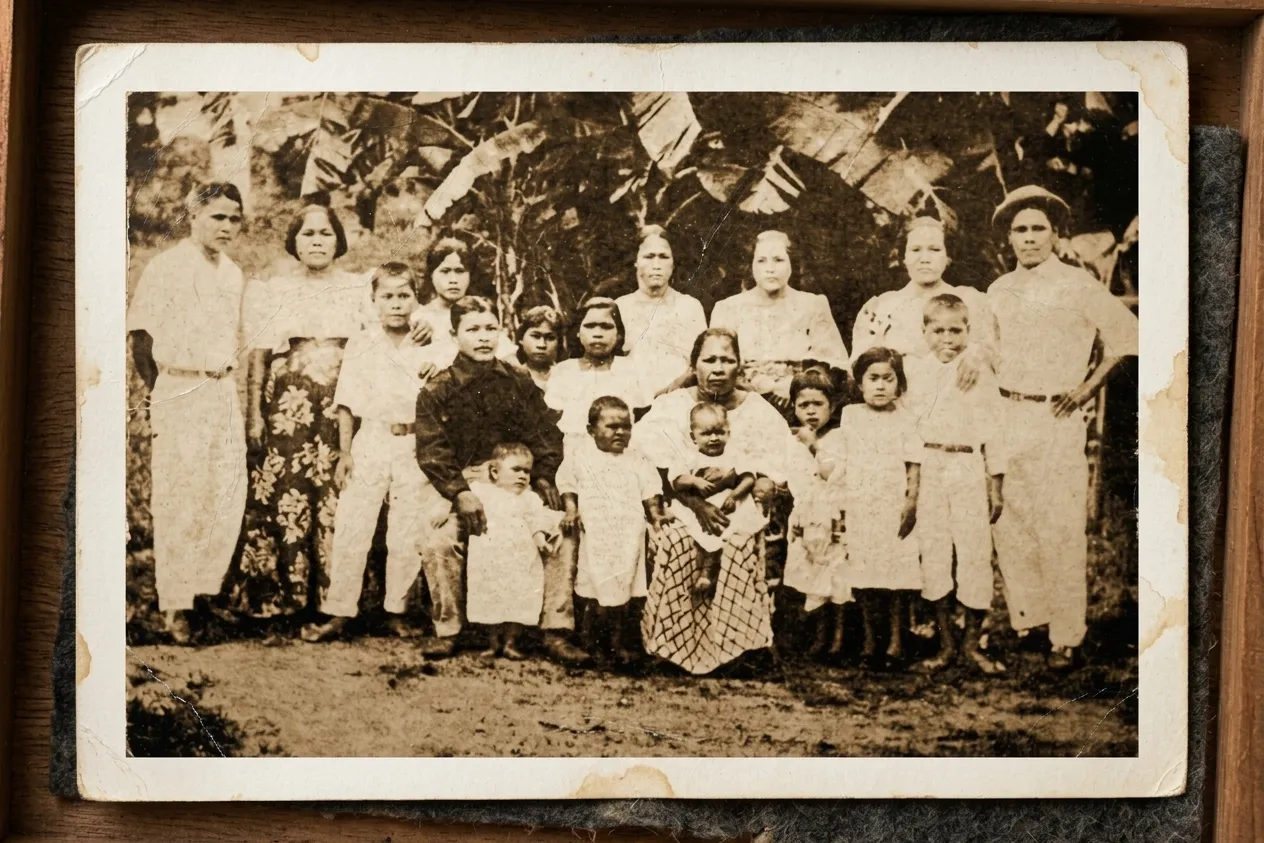
People came with the cane. Thousands arrived by steamer, Okinawans mostly, along with mainland Japanese and Koreans, and they brought their families, their language, their recipes, and the small household rhythms that turn a work camp into a town. Garapan grew narrow streets and wooden shopfronts. It had public baths. It had noodle shops. For a decade or two, someone stepping off the boat might have taken it for a sleepy seaside village in Kagoshima, which is a remarkable thing to say about a place several days' sail out into the Pacific. Somewhere in all that, I like to think, was the family whose plates we had been looking at.
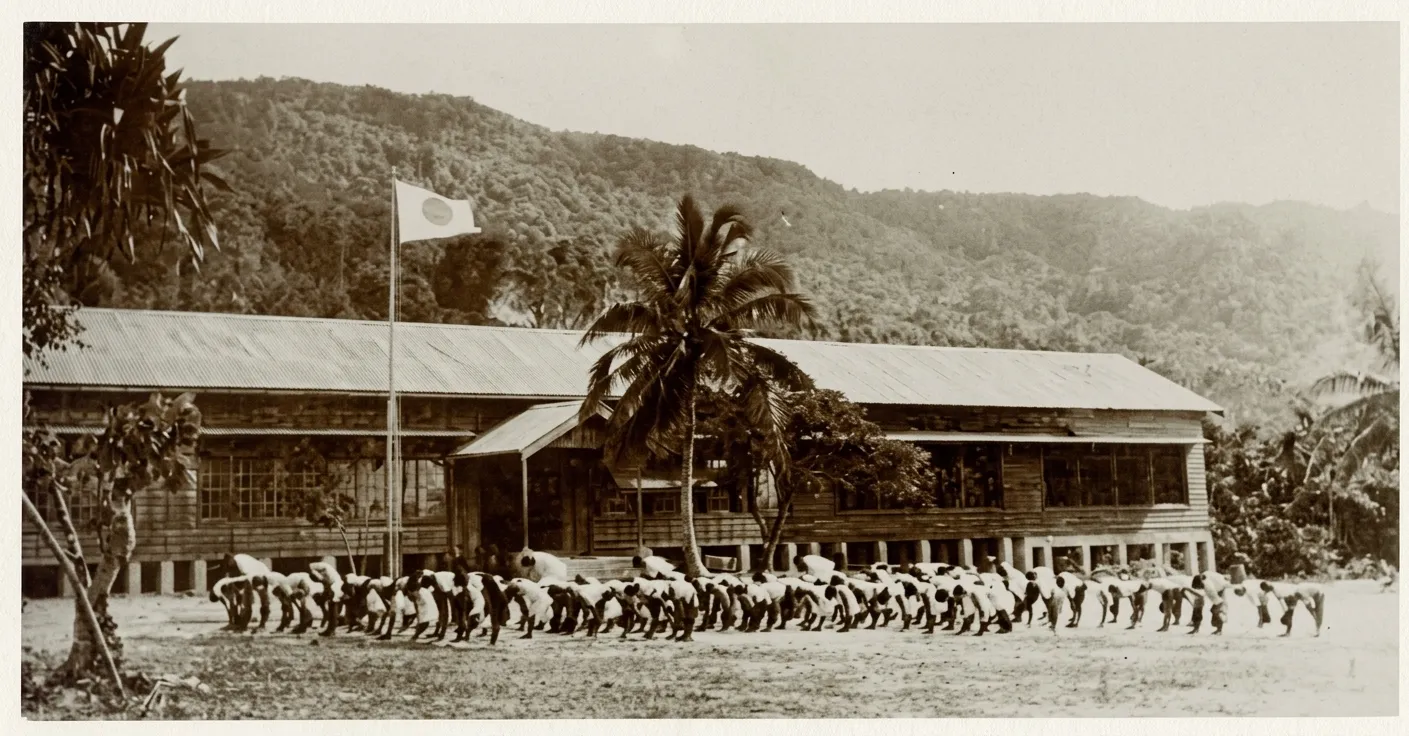
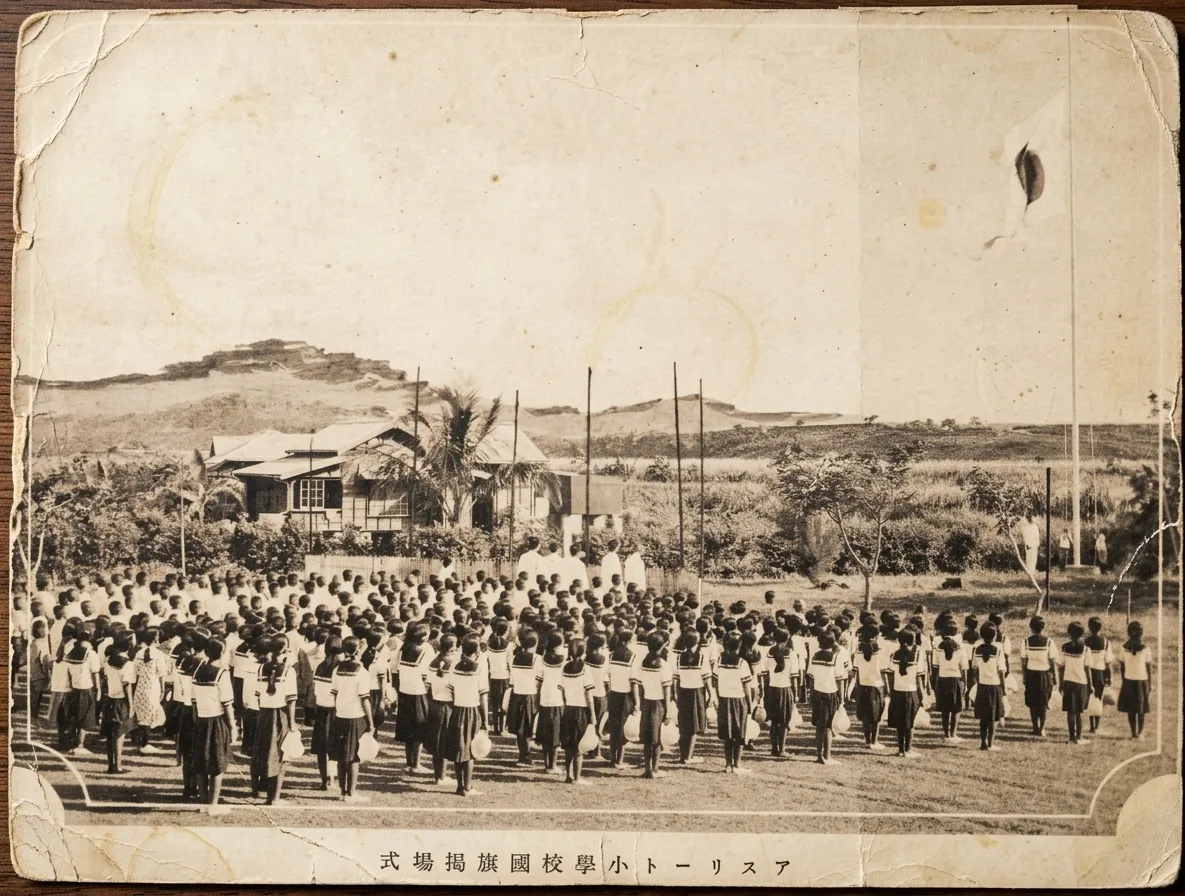
The Chamorros and Carolinians, who had been there all along, watched this happen from a slight distance, the distance they had been assigned. Progress came to the islands, but it came the way a parade comes down your street. It is impressive, it is loud, and it is not about you. A hierarchy settled in, with mainland Japanese at the top and islanders near the bottom, and everyone knew where they stood without being told. Local children walked each morning to the kōgakkō, the school for islanders, where they learned to write kanji, to speak Japanese, and to bow in the direction of an Emperor who lived a long way off across the water. They were taught discipline and hygiene and loyalty by a government that regarded them with a mix of kindliness and suspicion, which is a hard combination to grow up under. Shinto shrines went up on the high ground, and their cedar torii framed the sky over the sea. Even the gods, it seemed, had been reassigned.
Then, in the late 1930s, the sound changed. I picture it the way you notice a neighbor's radio getting louder: not all at once, just steadily. The mandate had forbidden fortifying the islands, but a mandate is only paper, and paper isn't much good once a country has started to dream about war. Airstrips were cut into the scrub. Concrete pillboxes were set into the cliffs, their narrow slits looking out at an empty horizon. Everybody knew the horizon wouldn't stay empty.
It came in June of 1944. The wooden towns burned. Tank treads chewed up the cane fields. The torii toppled into the brush, and the brush, which is patient, began at once to cover them. Marpi, where we were crouching, was where the fighting ended, and it ended badly.
You would think a thing like that would wipe a place clean. It very nearly does. But a war is mostly interested in large things, towns and airfields and mills, and it tends to overlook a plate. Seventy-some years later, the small stuff was still there, clinging to the dirt under a roof of leaves, waiting for someone who knew the way.
My friend picked up a piece of porcelain, turned it over once, and set it back exactly where it had been. We took nothing. It didn't seem like ours to take, any more than you would pocket a spoon from someone else's kitchen while they were out. Then he stood up and parted the brush again, and we walked back out to the car, leaving the place very nearly as we had found it, which is to say, still keeping its secrets for the next person who knows the way.
comments
00