
What if the story of the Marianas isn't strictly Spanish after all? Fr. Fran Hezel unravels the island's true heritage, connecting colonial history to the simple, enduring duty of welcoming the newcomer.
Some years ago, in the intimate setting of Azucena Hall at the Fiesta Resort & Spa, Father Hezel—a Jesuit who has spent a lifetime turning over the historical stones of Micronesia—offered up a modest proposal with a sharp edge. What we have long called the "Hispanization" of the Mariana Islands, he suggested, might be more accurately named its Philippinization.
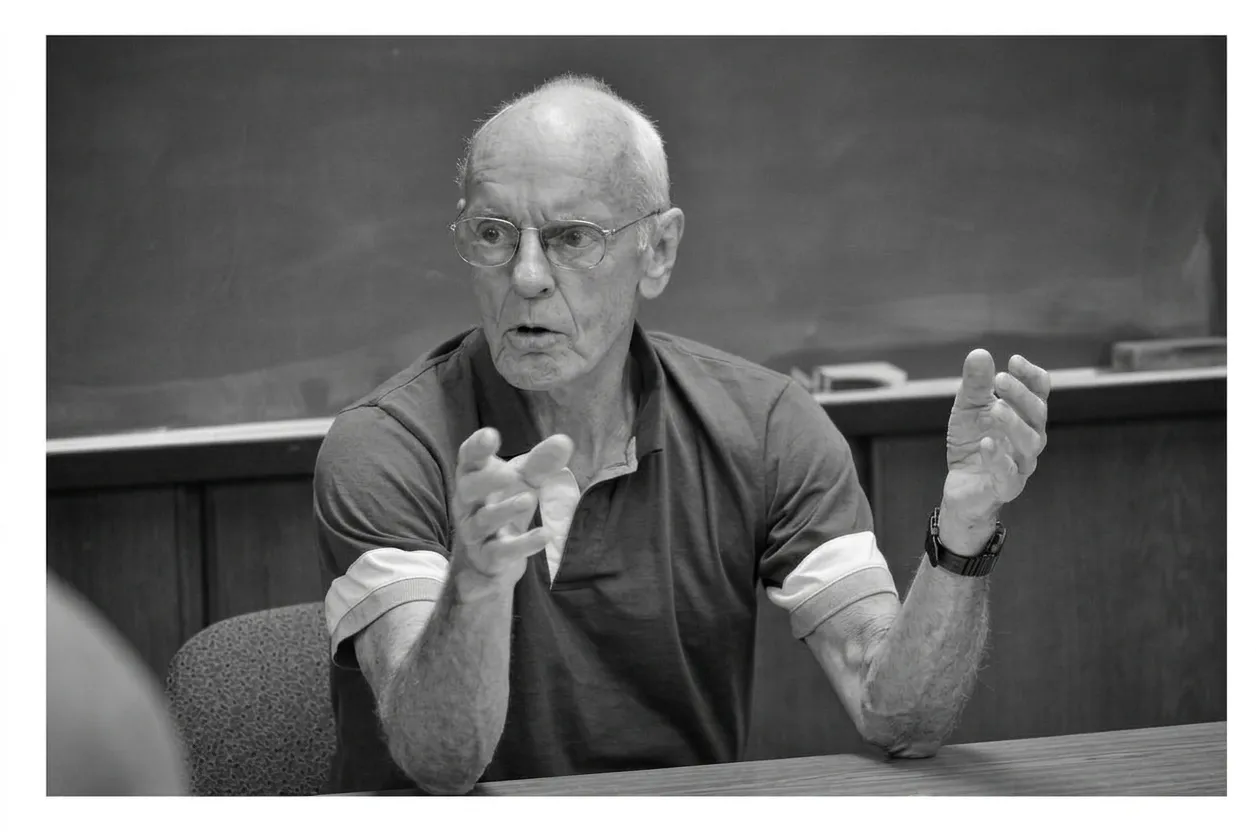
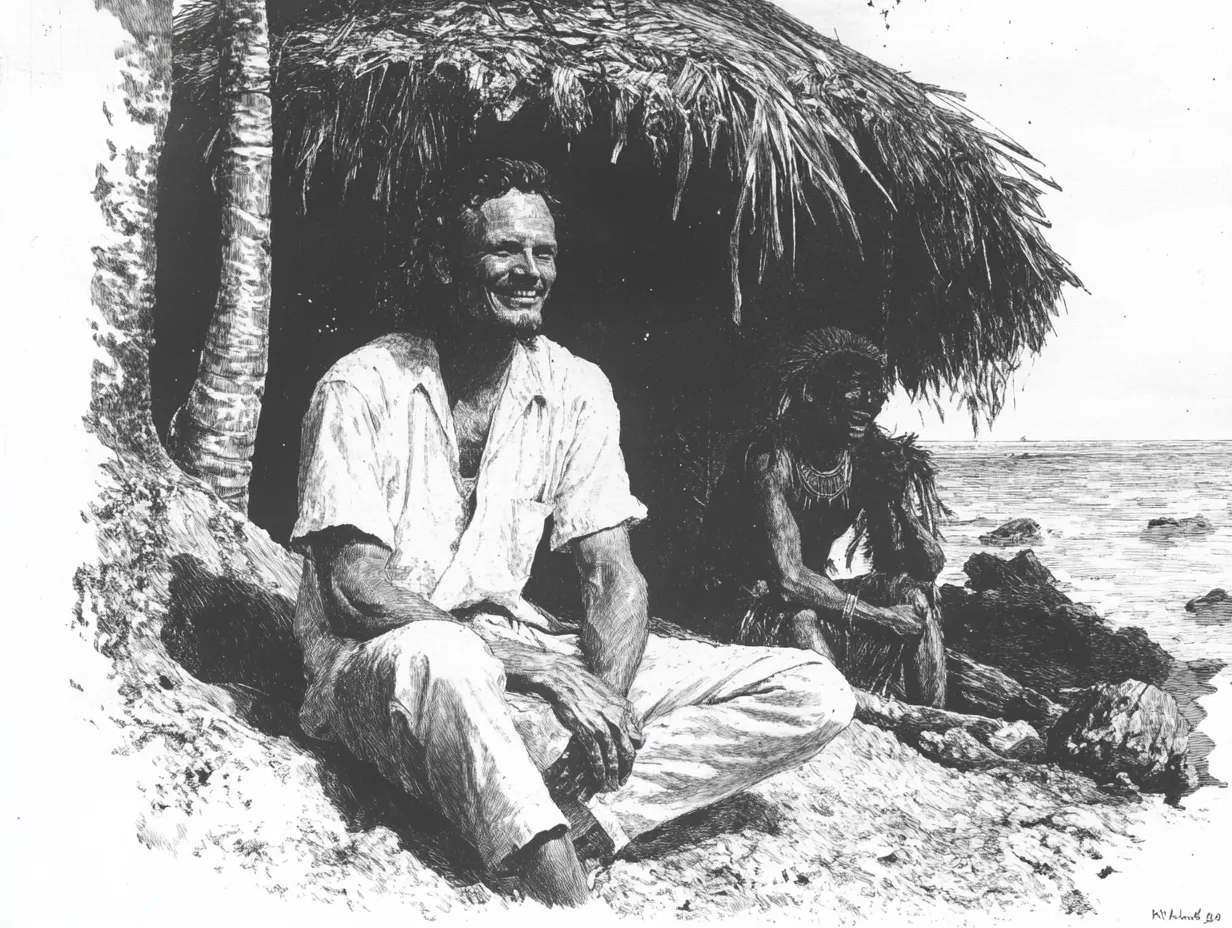
The argument is a simple one, built on the slow, steady drift of human passage. Spain’s touch on the islands rarely came direct from Madrid; it arrived by way of Manila, aboard ships carrying Filipino soldiers who stayed, took local wives, and eventually ran the villages as alcaldes. There were waves of migration, heavy with history, and at one point an ambitious plan to ship the entire island population off to the Philippines—a scheme that failed only because the Jesuits objected and Dutch pirates were lurking just beyond the horizon.
"When we talk about the Spanish era," Father Hezel said, "we are really talking about the Philippines as the middleman, and about all the mess and bloodshed that came with it."
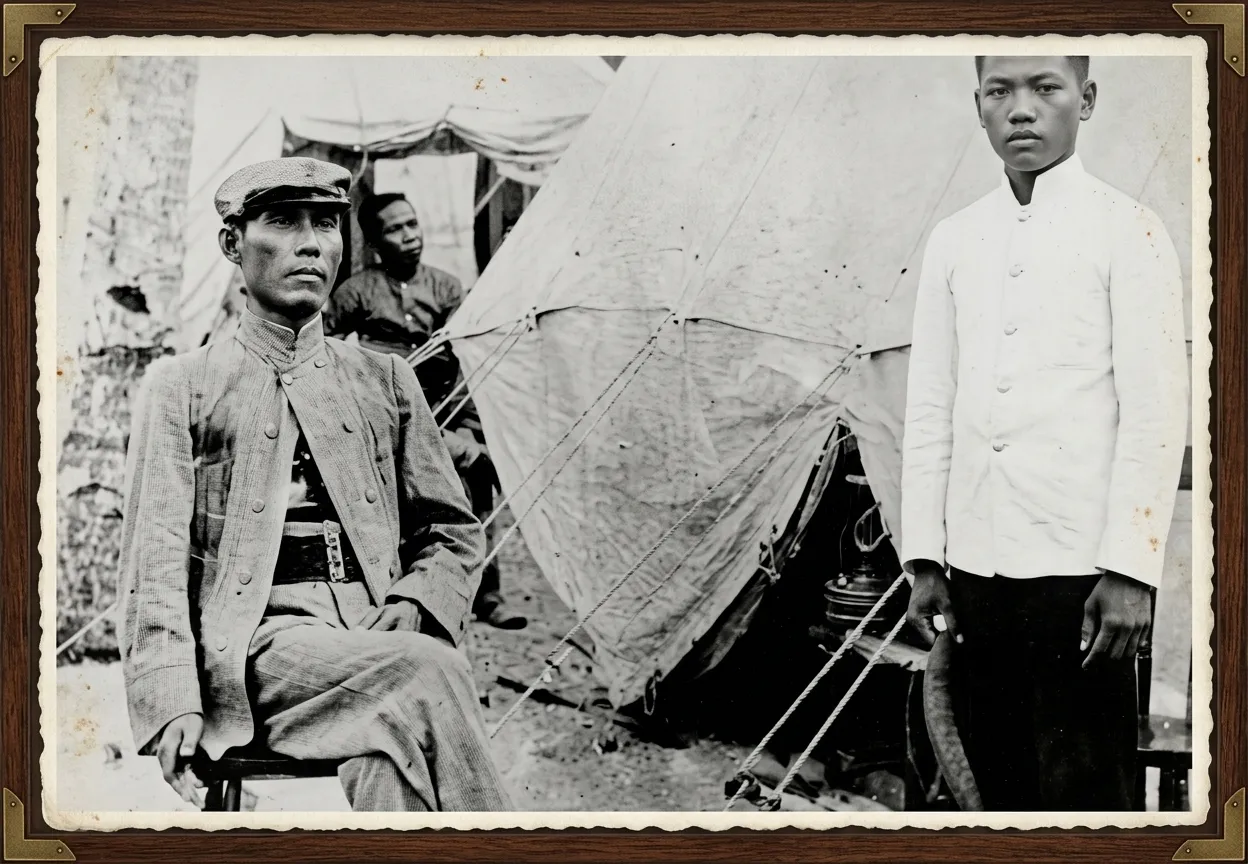
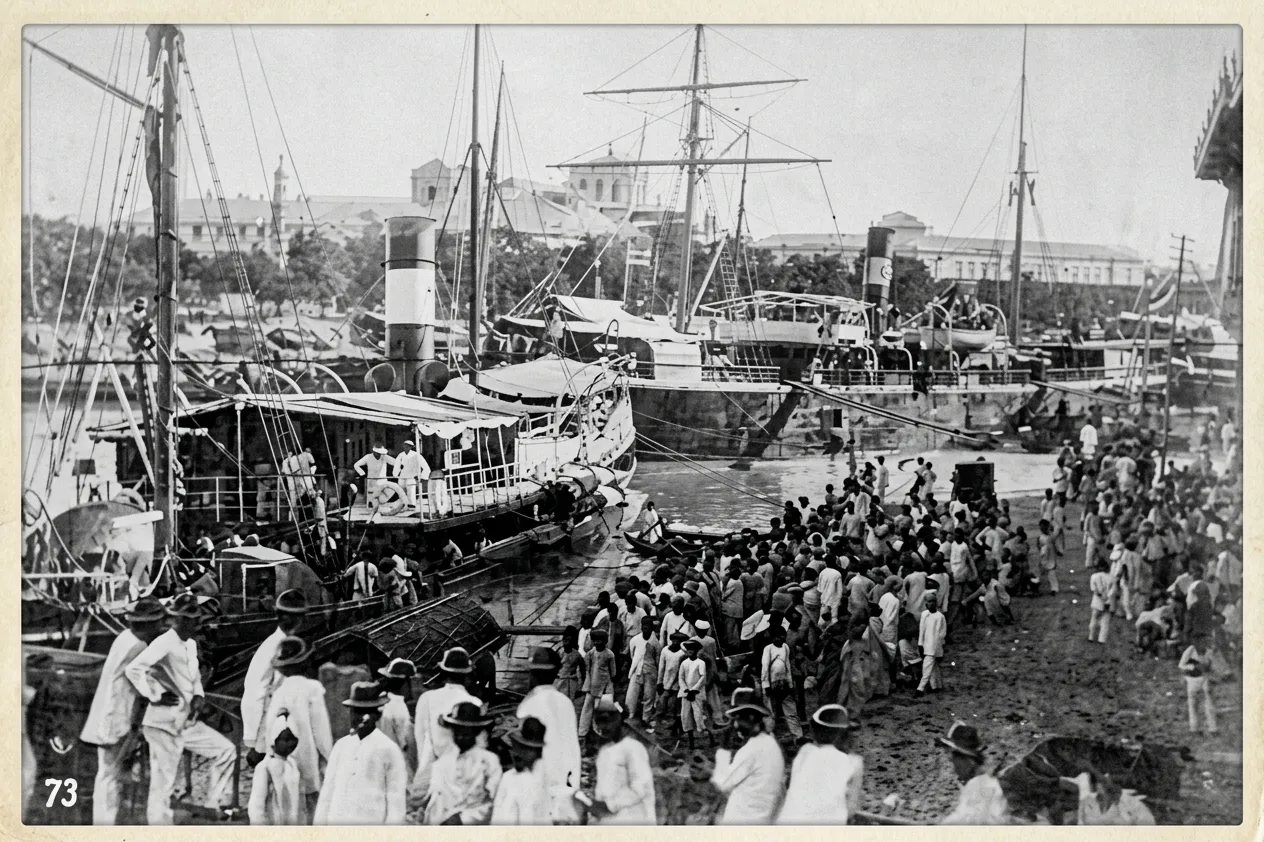
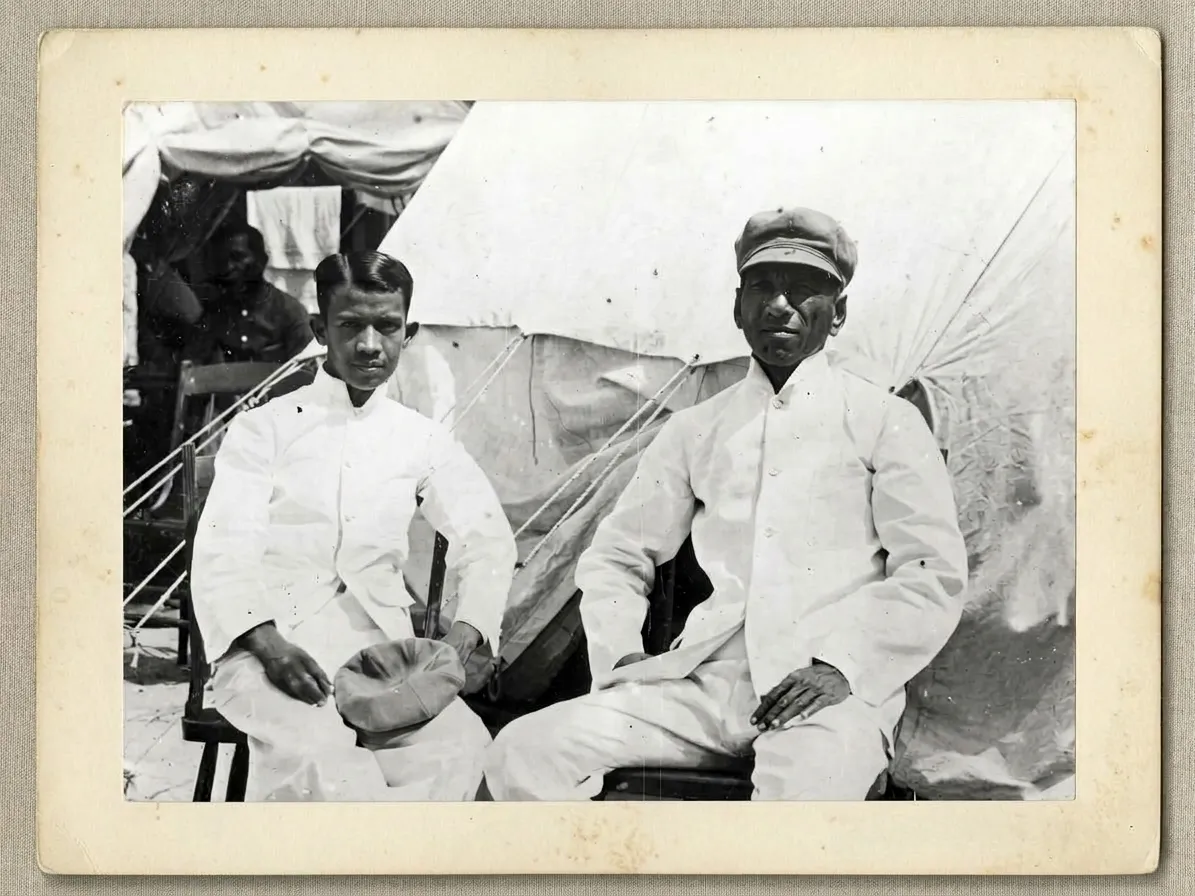
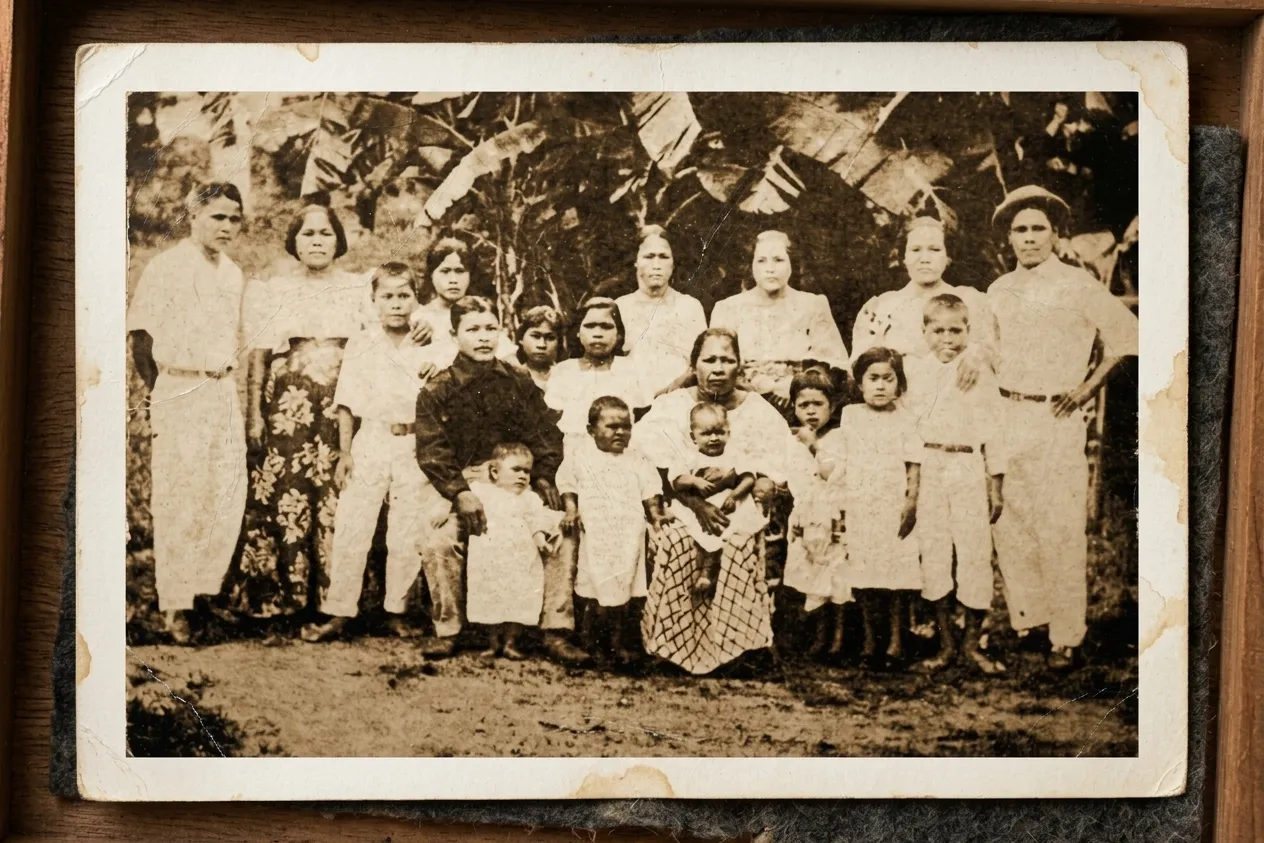
Yet he noted a curious reluctance among some today to give these early settlers their due—a quiet edit of the record that he feels does the islands no favors. "To deny their part in the story doesn't help Chamorro society," he remarked. "It simply ignores what happened."
It is an old habit, this business of looking askance at the newcomer, and Father Hezel sees in it a plain lesson for our own restless times. He pointed toward the American mainland, where the debate over who belongs is forever being re-argued, and then gently brought the matter back to older, simpler rules. The Bible, after all, makes a frequent point of telling people to welcome the stranger at the gate.
"If we can’t manage that," he asked, "what is the faith for?"
It was a subtle question, but it seemed to settle well in the room. History, as Father Hezel sees it, is rarely a clean, single-colored thread; it is a tangled thing, made stronger by the extra strands we are sometimes slow to admit were there all along.
comments
00