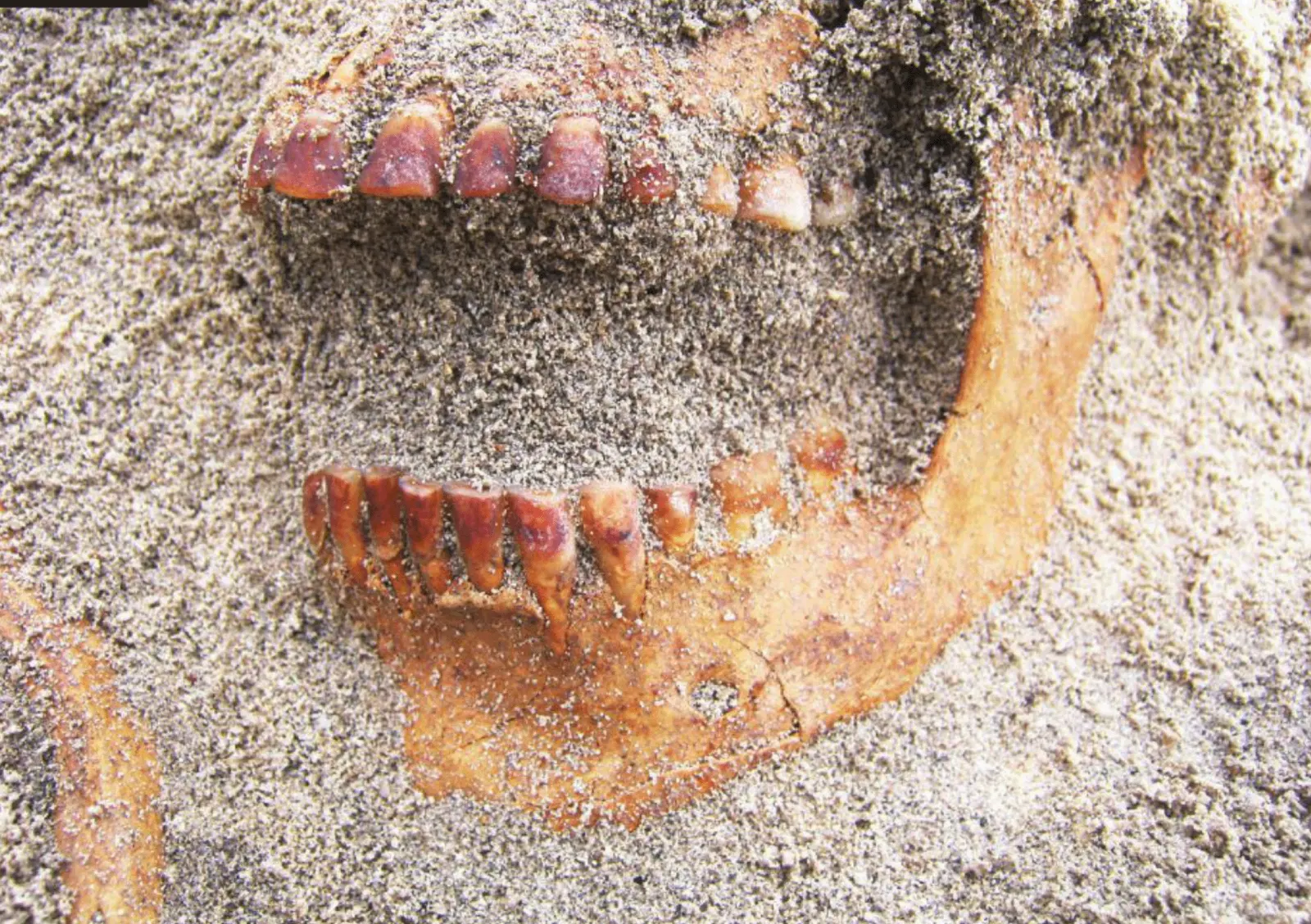
Long before Spanish ships appeared on the horizon, the people living along the beaches of Guam and Saipan carried their identity on their faces—or more precisely, on their upper front teeth. They filed them, carved fine geometric grids into the enamel, and rubbed them smooth with sand until the bone bore an unmistakable mark of courage and clan. It was a clear, visual language that flourished for centuries before fading into the earth.
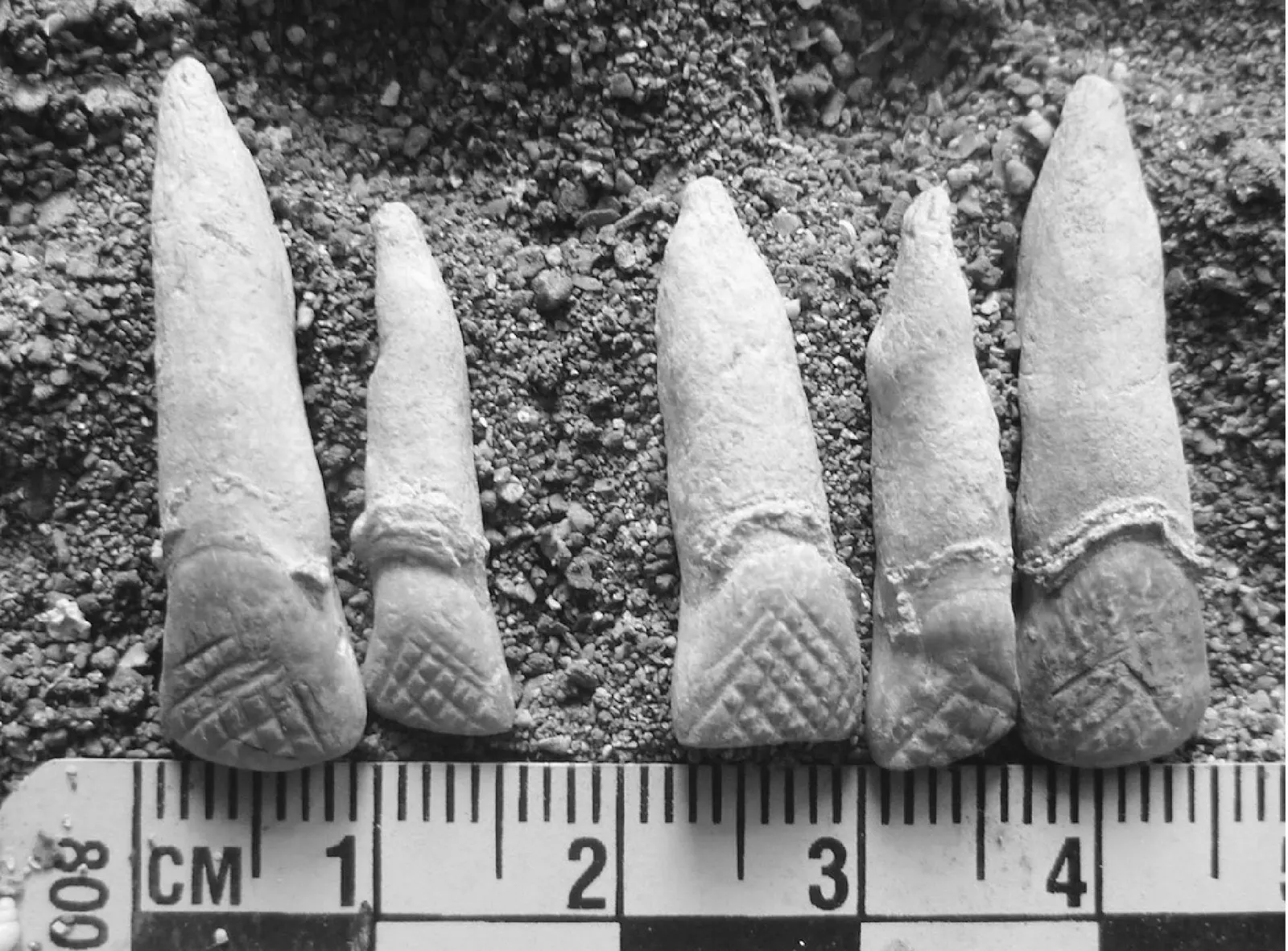
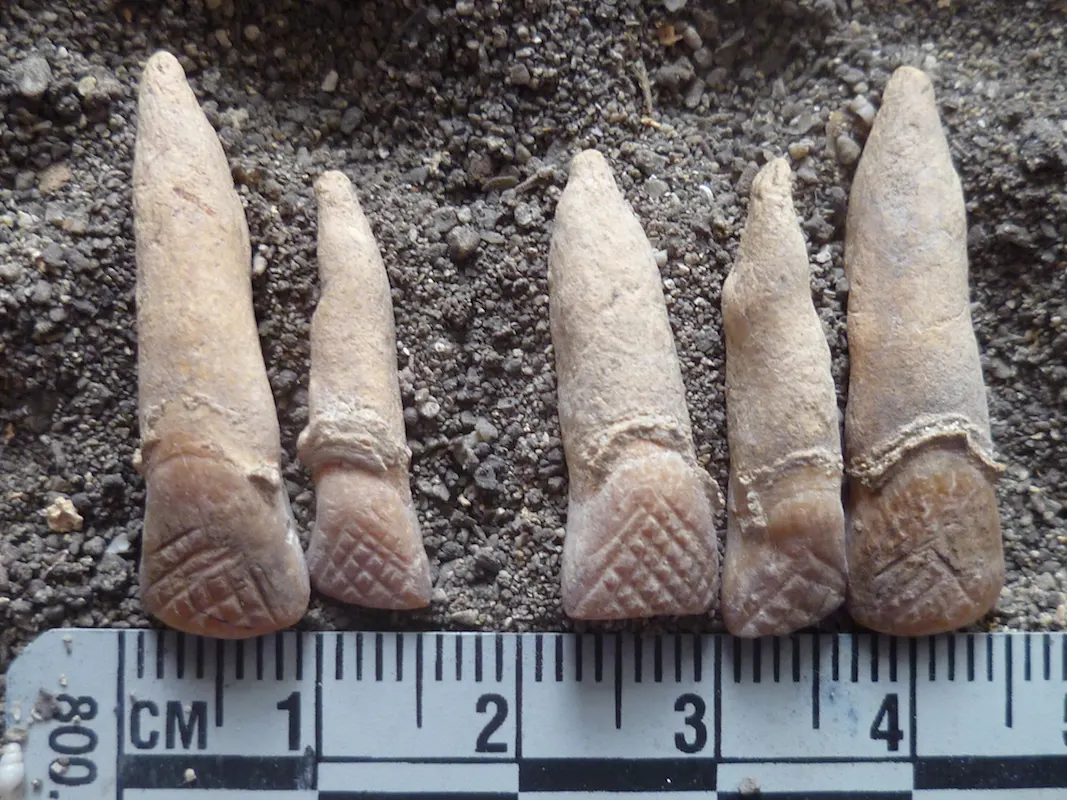
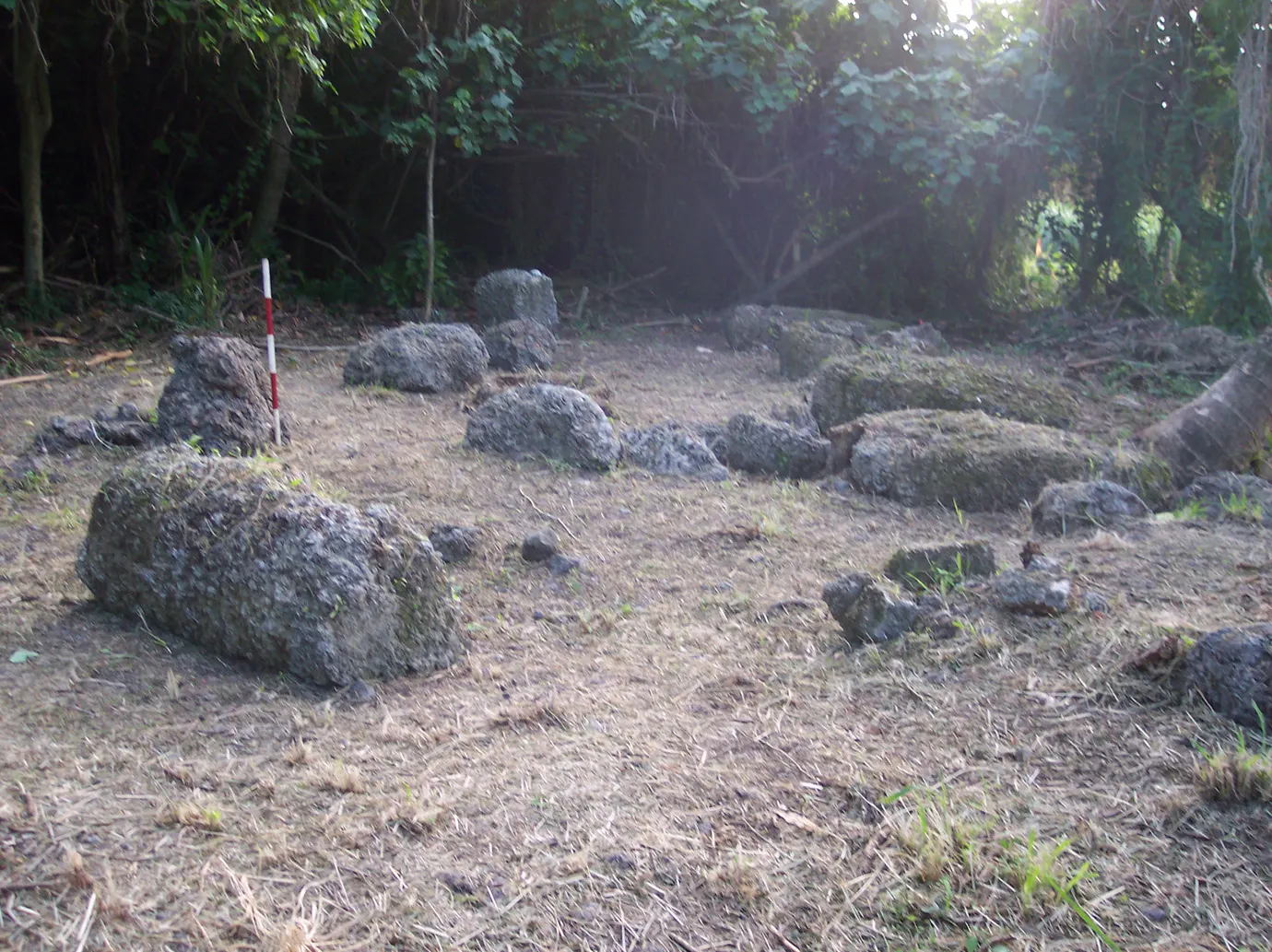
I first came across this ancient handiwork in 2015, on a strip of beachfront in Garapan. A massive casino was breaking ground, and local rules required the soil to be checked before the heavy machinery moved in. Among the sand and sea-beads that turned up were set after set of dental specimens, each showing clean, deliberate alterations. Seeing those small, carved teeth sitting in the dirt of a modern construction site brought a distant past into sudden view. Reading about pre-Contact Chamorro customs in a book was one thing; standing in the sun and looking at fine, cross-hatched lines cut by a human hand eight hundred years ago was quite another.
Curious about how these finds fit into the wider story of the Marianas, I got in touch with researchers who had spent decades studying the region’s human remains. Their work—particularly Cherie Walth’s study of the burial site at Naton Beach on Guam, along with analysis by bioarchaeologist Dr. Rona Ikehara-Quebral—showed that Garapan was no isolated occurrence.
Instead, it was part of a shared practice across the islands. On Guam, the worker’s tool was often a rounded stone or a piece of cordage dipped in wet pumice, pulled back and forth until the tooth held a smooth, hollow groove. On Saipan, the technique favored sharp flakes of stone to carve neat, multi-linear patterns directly into the enamel. Yet both styles shared the same canvas: always the upper front teeth, right where they would show when a person spoke, laughed, or smiled. Combined with the deep reddish-orange stain left by a lifetime of chewing betel nut, these modified teeth were meant to be seen.
Why they did it remains uncertain, which seems fitting. Researchers suggest it may have marked a coming of age, signaled family ties, or simply satisfied a standard of beauty that we can only guess at now. Modern development has a way of covering over small islands, hiding old paths under resort foundations and paved roads. But history has a way of turning up again. In those small lines carved into ancient enamel, preserved by careful study, sits a silent reminder of who was here first—and the simple marks they left behind.
comments
00