
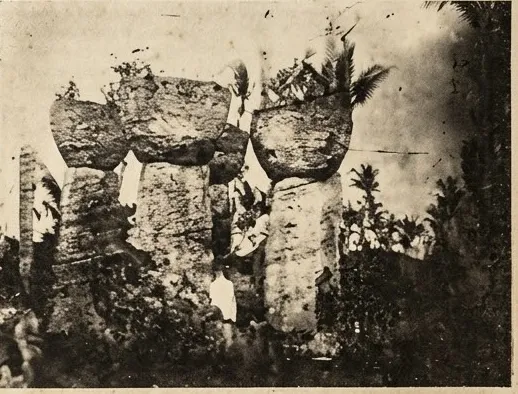
Anyone who has stepped off a boat or a small plane onto Tinian knows the sudden, pleasant feeling of a place that isn't trying to hurry you along. Saipan, just across the water, has the bustle and the crowds; Tinian has room to breathe, and a populace that treats a visitor less like a tourist and more like a long-lost neighbor who simply took the slow ferry.
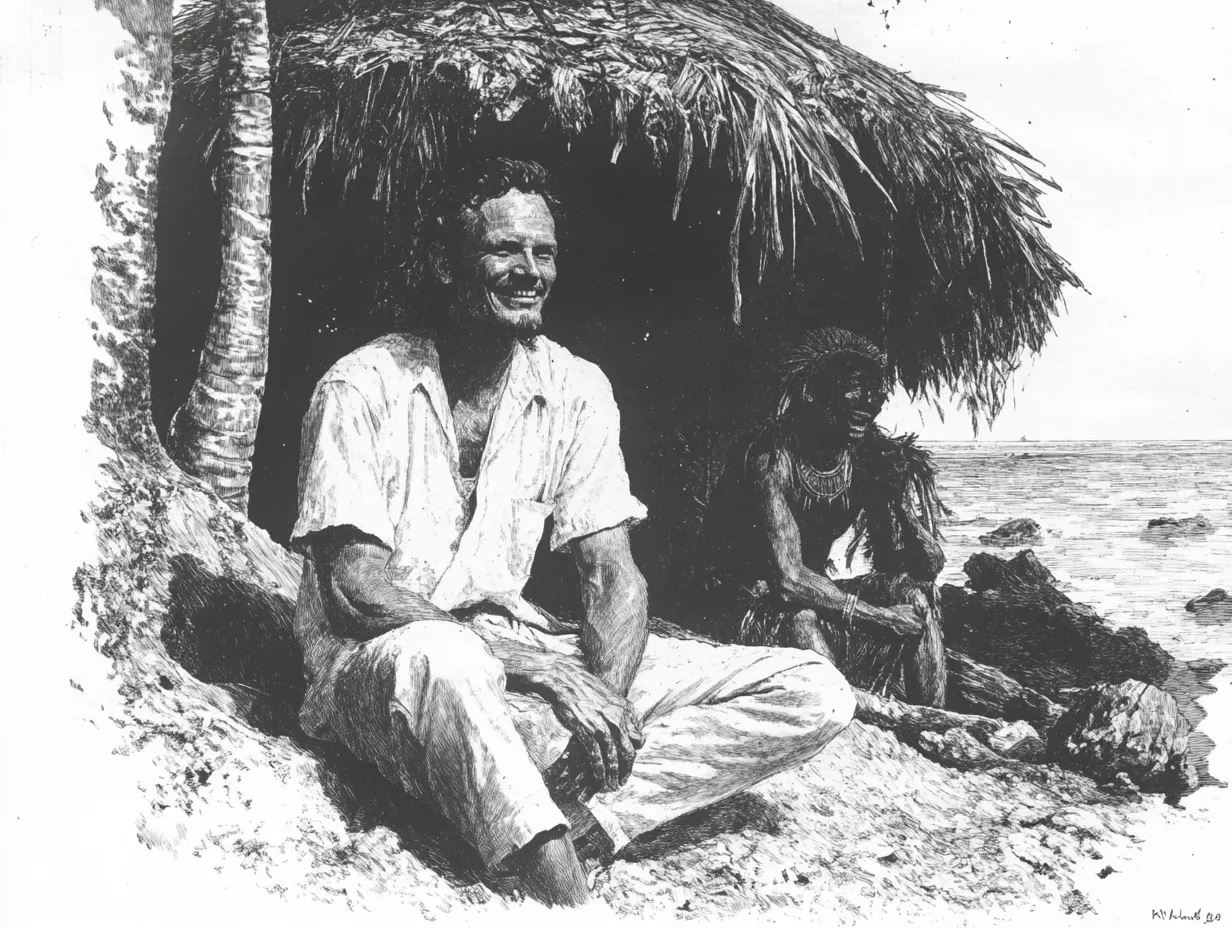
For years, I took that hospitality at face value. It seemed as timeless and natural as the limestone terraces or the warm equatorial sun. It was only after opening Alexander Spoehr’s post-war study that I realized the community I had come to love was not an ancient, unbroken thread, but a fresh weave, pieced together within living memory by people who had crossed half an ocean to come home.
In the late seventeenth century, Spanish authorities cleared the island entirely, carrying the Chamorro population off to Guam. For generations, Tinian was a place of wild cattle, abandoned ruins, and later, vast Japanese sugar fields. When the dust of World War II finally settled, leaving behind acres of empty B-29 runways and rusty quonsets, the modern island had to be invented from scratch.
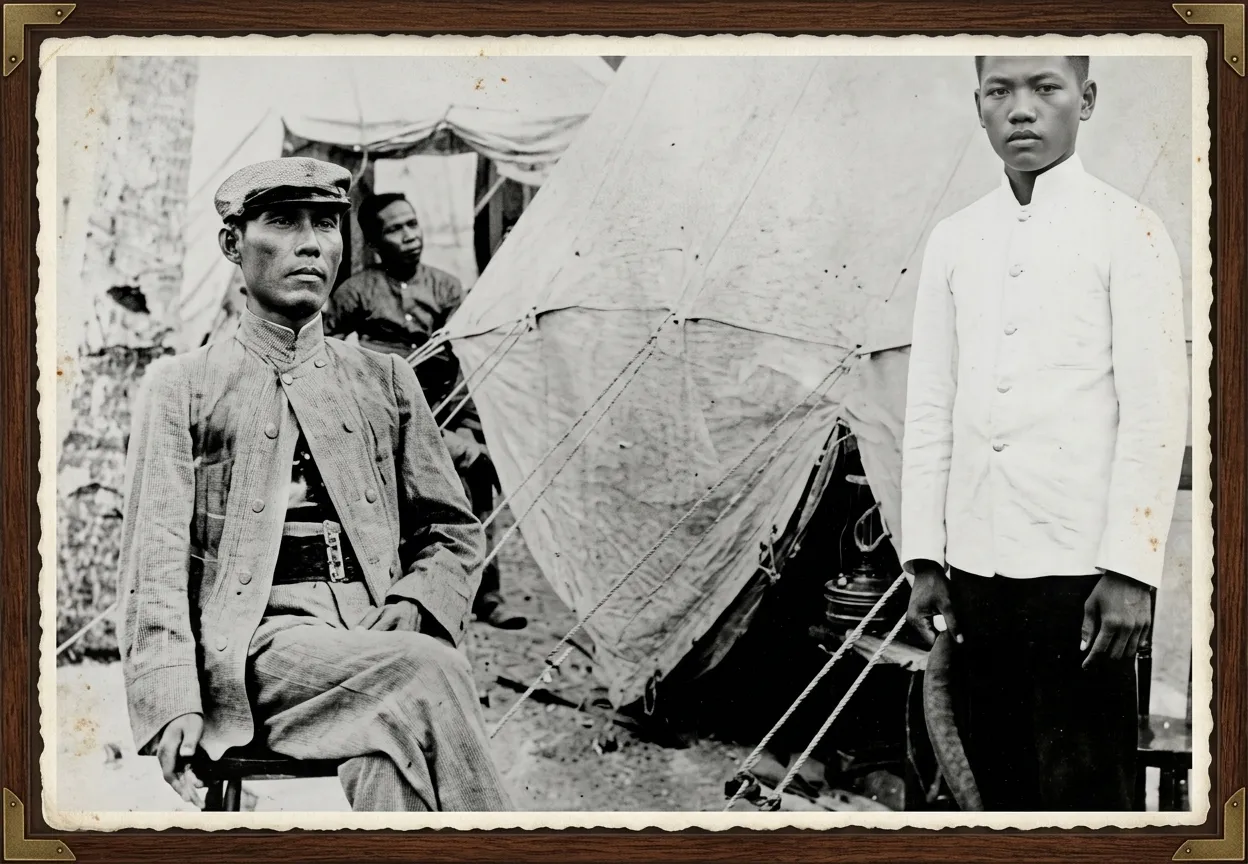
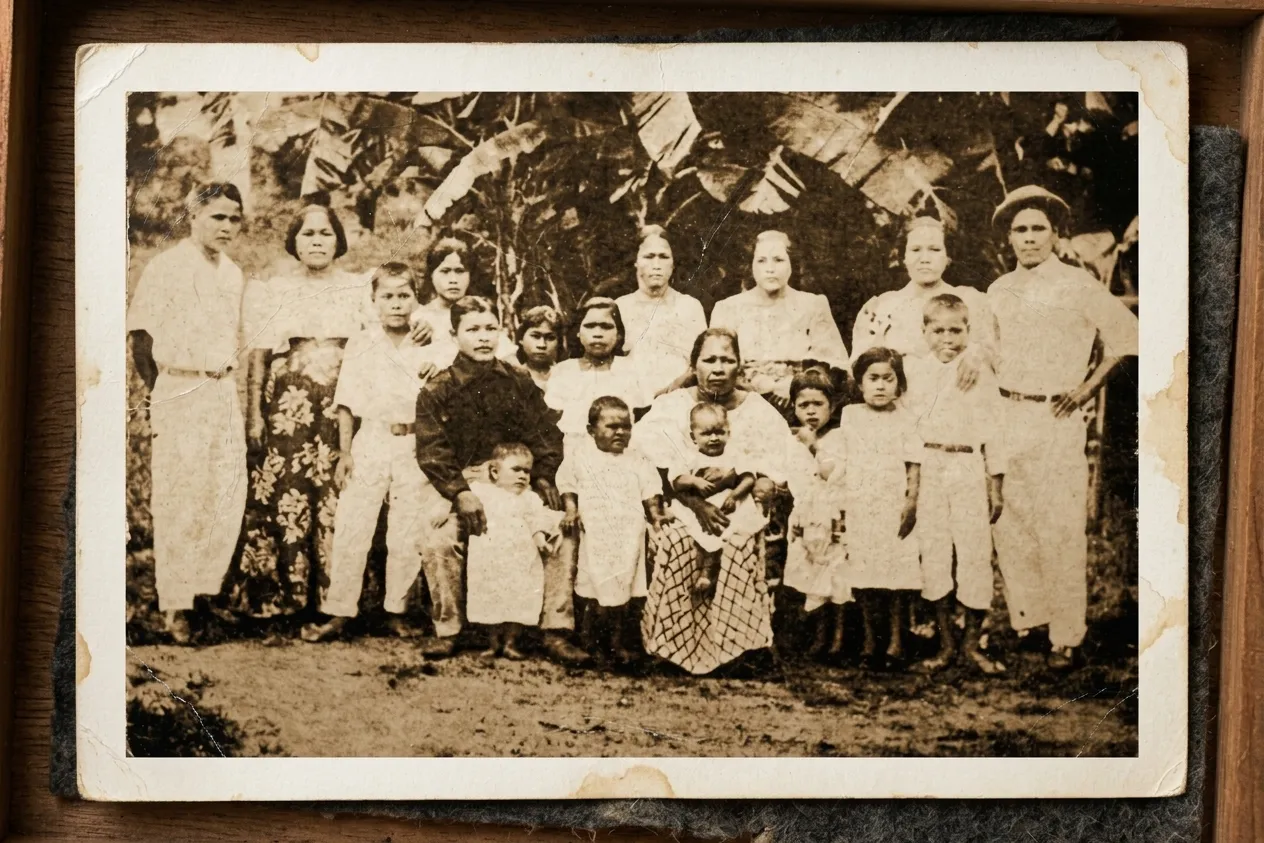
The settlers who arrived in the late 1940s were anything but uniform. The bulk of them were Chamorros returning from Yap, where their families had spent decades working as cable operators, mechanics, and traders under German and Japanese rule. They were joined by families from Saipan and Rota, as well as Korean-Chamorro farmers who set to work planting the fertile soil of the Marpo Valley. The village’s chief political organizer was half German and half Yapese; its primary merchant was half Scottish and half Marshallese.
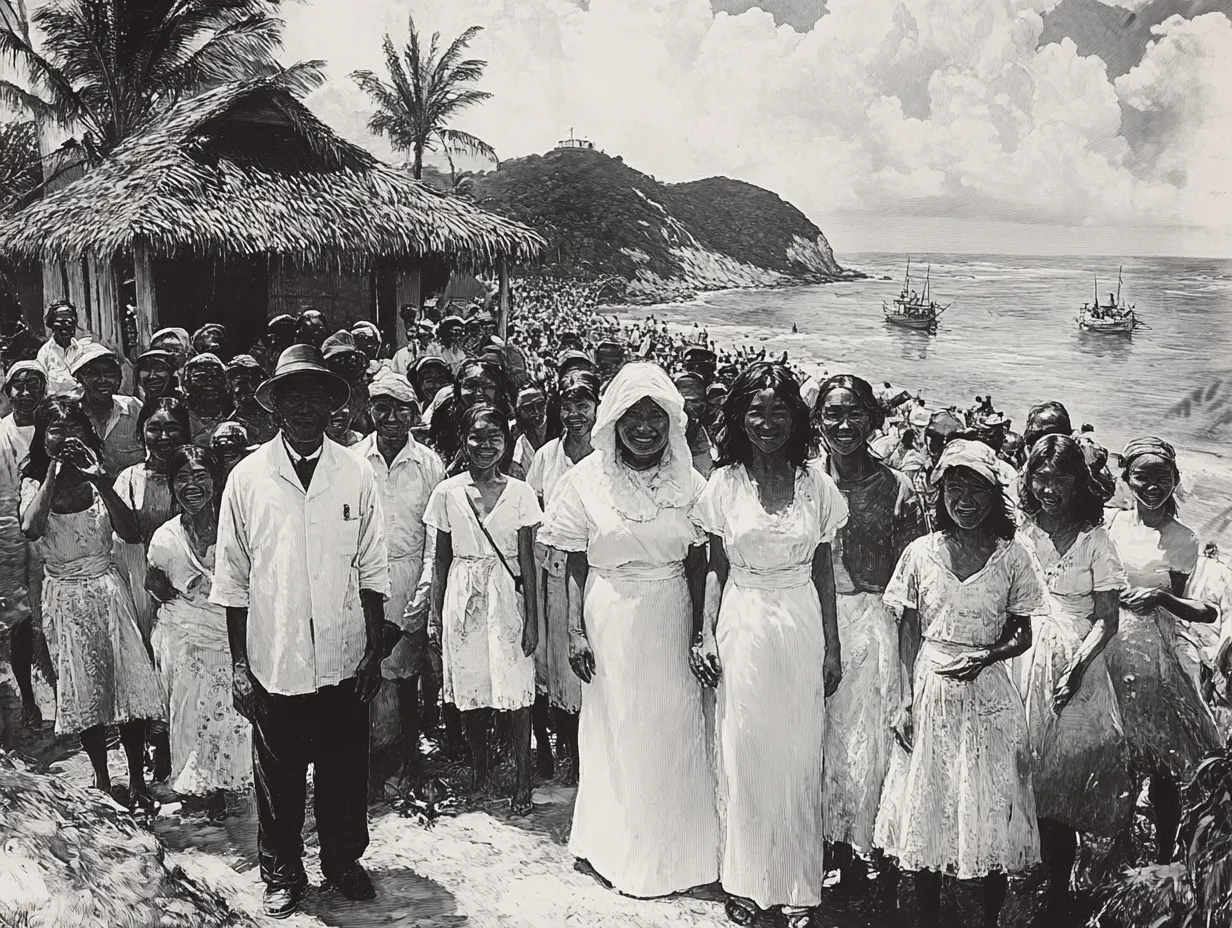
They were, in short, a marvelous gathering of travelers, tradesmen, and displaced families trying to figure out how to farm an island after years of living by wage work. Knowing this doesn't diminish the charm of San Jose; it magnifies it. The warm welcome on Tinian isn't an accident of isolated history. It is the practiced, generous habit of a diverse people who built a home together out of the wreckage of the Pacific war, one quonset and one garden plot at a time.

comments
00