
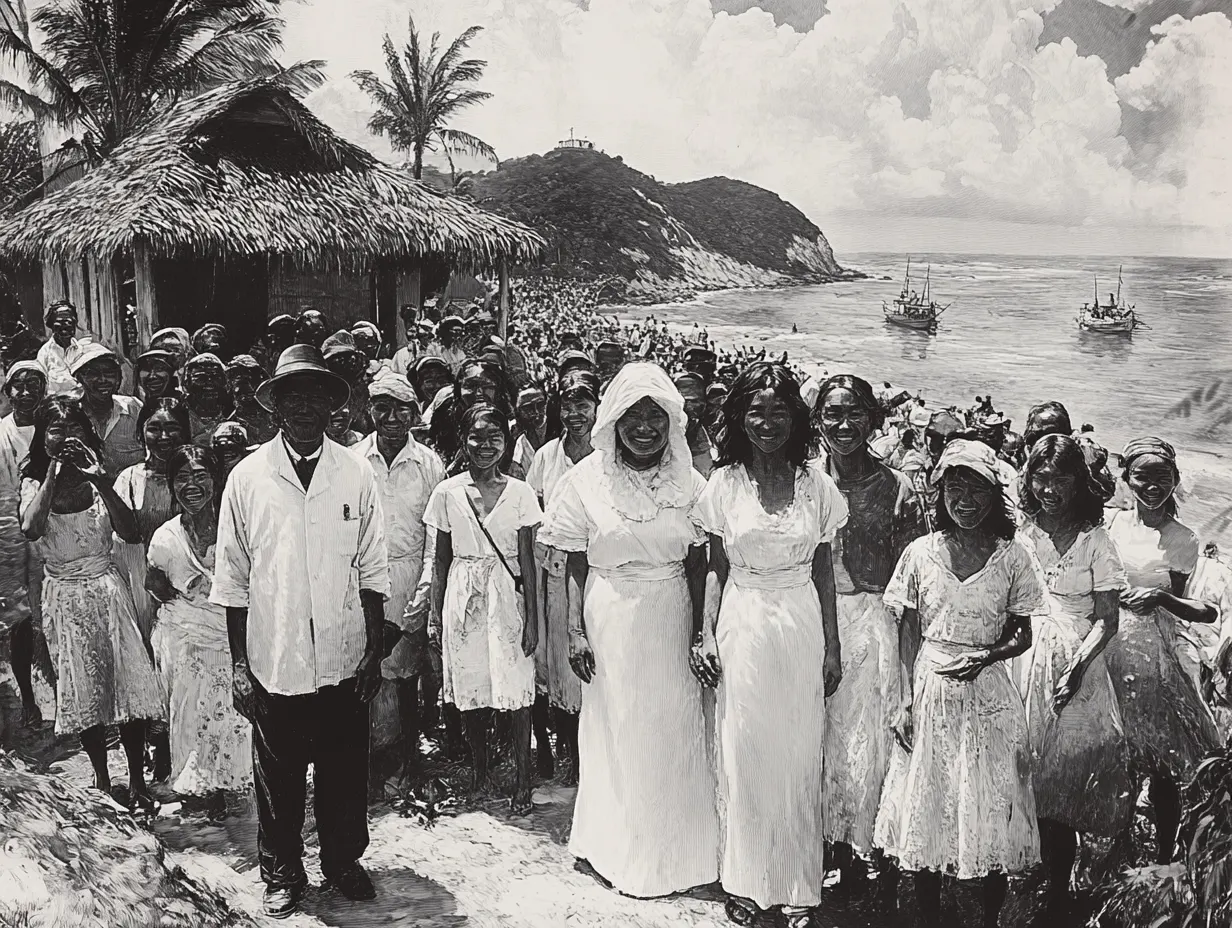
In the 1920s, when the Northern Marianas were under Japanese rule, the governor of the islands lost his wife. He went home to Japan to find another. At an orphanage run by a Protestant church he met a young woman, fell in love with her rather quickly, and married her.
Before sailing for Saipan with his bride, the governor sent word ahead that he was bringing home a Christian wife. It was a shrewd move. He hoped it would spare everyone an elaborate Buddhist welcome.
The island was almost entirely Catholic, and the news got around fast. When the steamer docked, the islanders met the young woman with gifts. They assumed she belonged to Rome, and they hoped her goodwill might soften the governor toward them. A little later they learned she was a Protestant, and they were disappointed.
Hans Hornbostel sat at the governor's table through all of this. He was an American who spent his days collecting plants and animals, and years later he wrote about these evenings in the Philippine Magazine. He listened as the governor asked his guests to explain exactly how a Catholic differed from a Protestant. The guests did their best. The governor heard them out and decided the difference was not much.
Then he turned to his bride and gave his verdict:
"My dear, never have the natives brought me such excellent food, and never have they been so kindly disposed towards me. Now it seems that the people are under the impression that you are a Catholic, and as I have learned by your own answers to my questions that after all there is very little difference between Catholic and Protestant faiths, I think that it would be good policy for you to call on the good Padre tomorrow morning and become a Catholic."
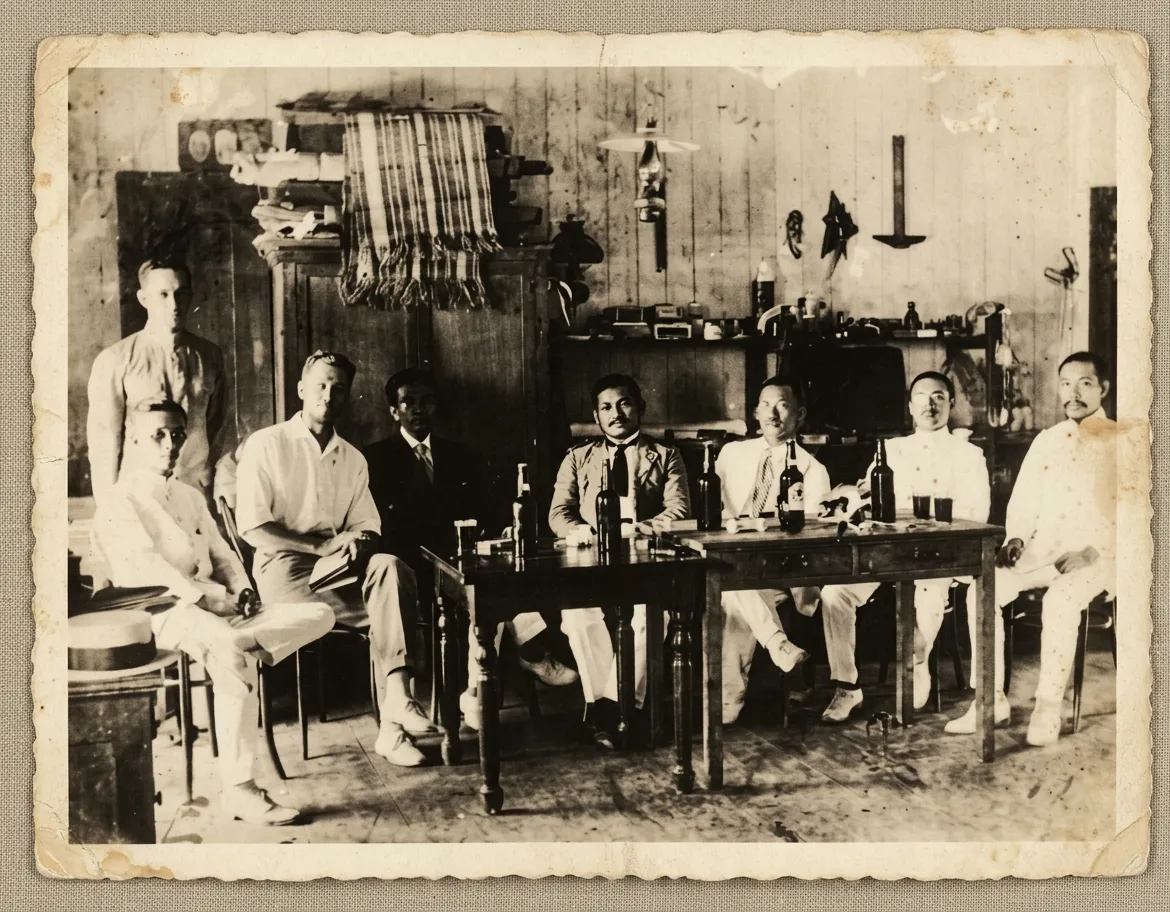
Hornbostel took it for a joke. Then he looked at the young woman's face and saw that her husband meant every word.
The next morning Hornbostel went out to work in the hills around Talofofo. On his way back into town he ran into the Jesuit priest, who was beaming. "Ah, Mr. Hornbostel," the priest called, "you must come with me to the tavern and celebrate over a bottle of beer a great victory!"
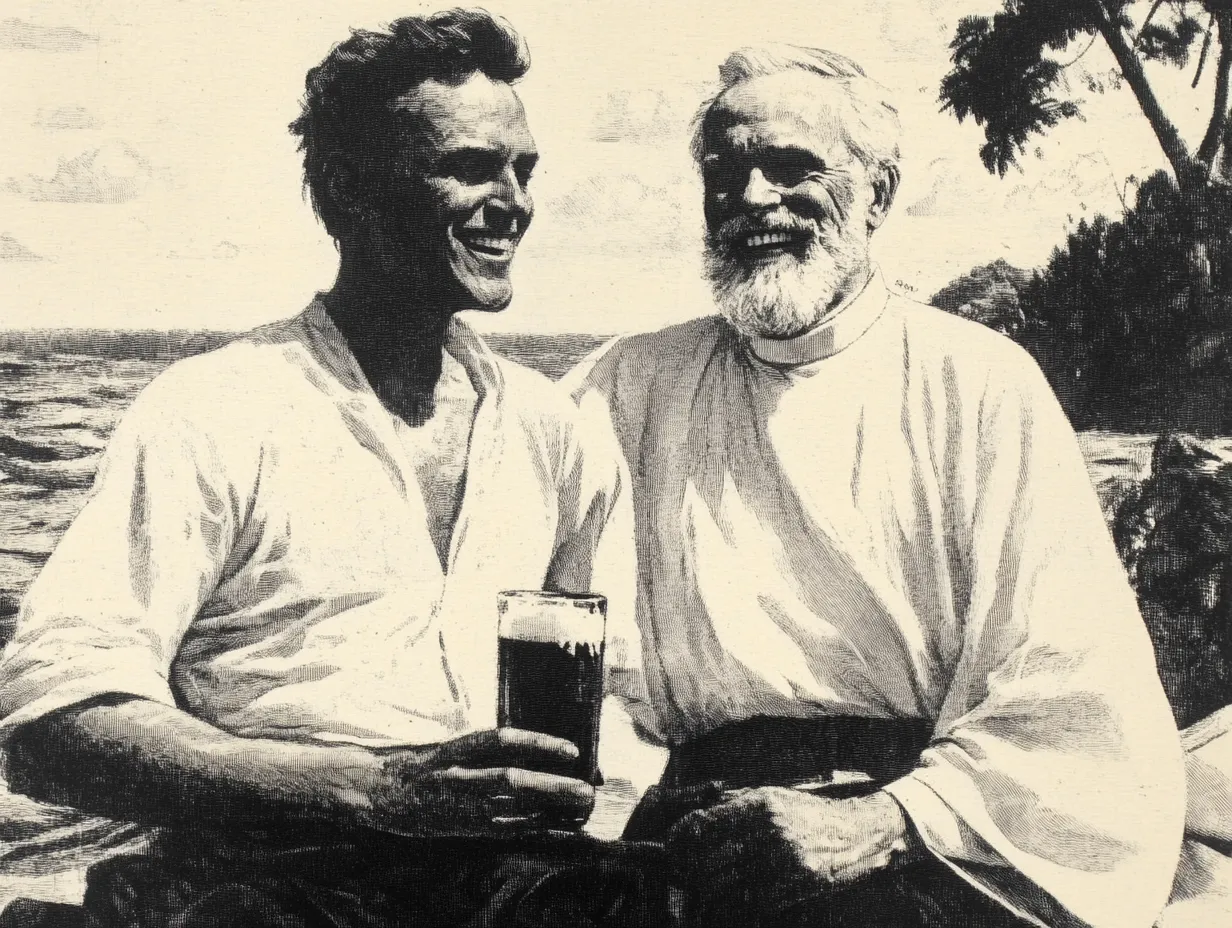
Hornbostel supposed the priest had converted a few Carolinians. "A great victory has been won," the priest said, "for the governor's lady will shortly become one of our faith."
The governor had kept the peace, and the delicacies kept coming.
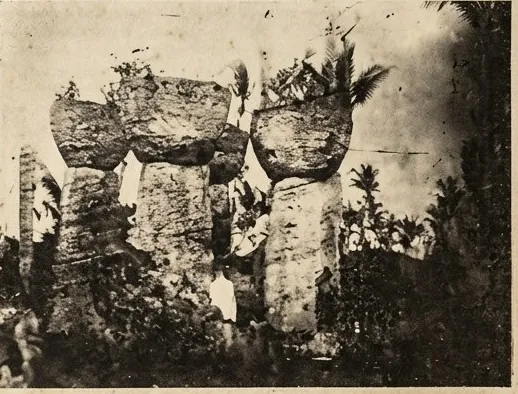
Hornbostel had an eye for this sort of thing. He was a former Marine major, and from 1922 to 1926 he worked as a collector for the Bishop Museum in Honolulu. In those years he roamed Saipan, Tinian, and Rota, surveying old latte sites and gathering plants and animals. His notes and specimens kept a record of the Marianas' Latte Period some twenty years before the Pacific war wrecked most of what was left.
His own life was not a quiet one. He was living in the Philippines when war came in 1941. He survived the Bataan Death March and years of internment, along with his wife, Gertrude, and their grown children.
After they were freed from Santo Tomas in Manila, doctors in San Francisco found that Gertrude had caught leprosy in the camp. She was sent to the federal leprosarium at Carville, Louisiana, and Hornbostel went with her. He moved onto the grounds to be near her, and the national papers took notice. For years the two of them talked to reporters, chipping away at the old fear of the disease. In time they settled on Long Island.
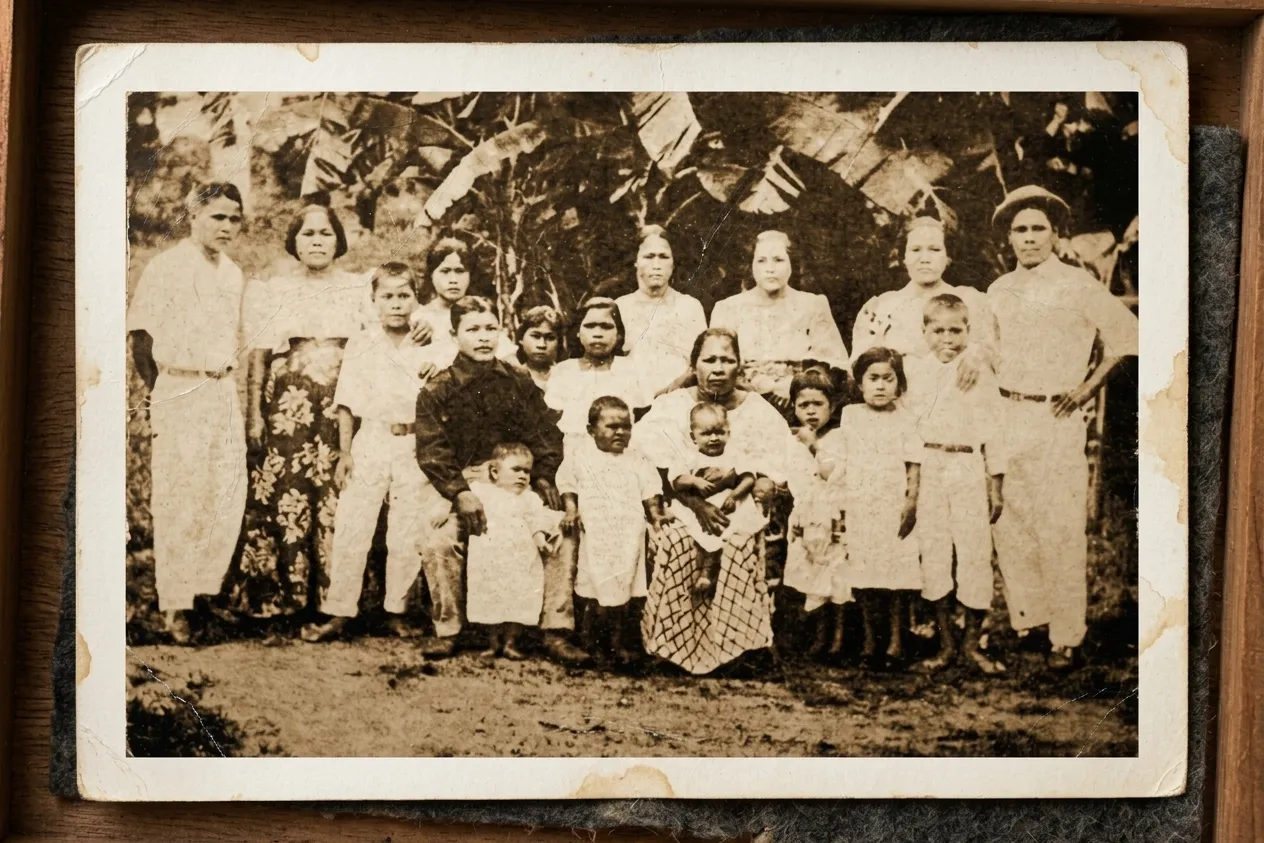
In "Rota Days," a series of essays he wrote in the 1930s, Hornbostel left a plain, everyday picture of the islands under Japanese rule. It was a short calm. The sugar mills came, then the airfields, then the guns, and the place was never the same.
comments
00