Ask where to find history on Saipan, and the simplest answer is everywhere.
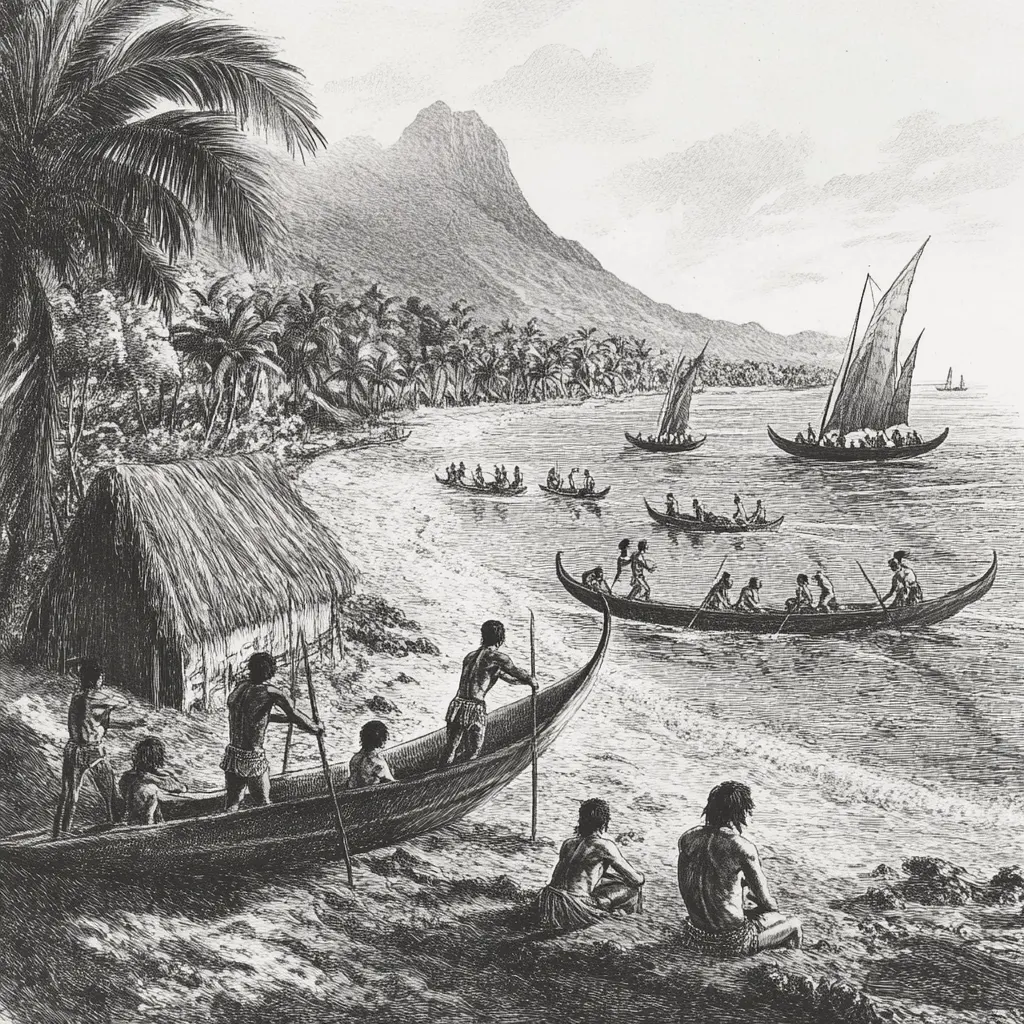
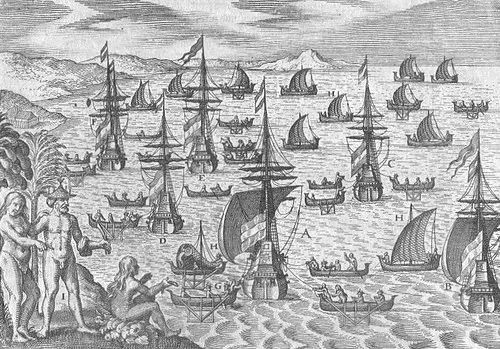
It sits along the shores where ancient settlers arrived nearly four millennia ago, where Spanish conquerors brought cross and sword, and where German and Japanese traders anchored their fleets. It is etched into the sands where U.S. Marines fought through fierce resistance, and carved into the interior hills where early Chamorros built their villages, where sugarcane trains once rumbled, and where islanders were interned during the second World War.
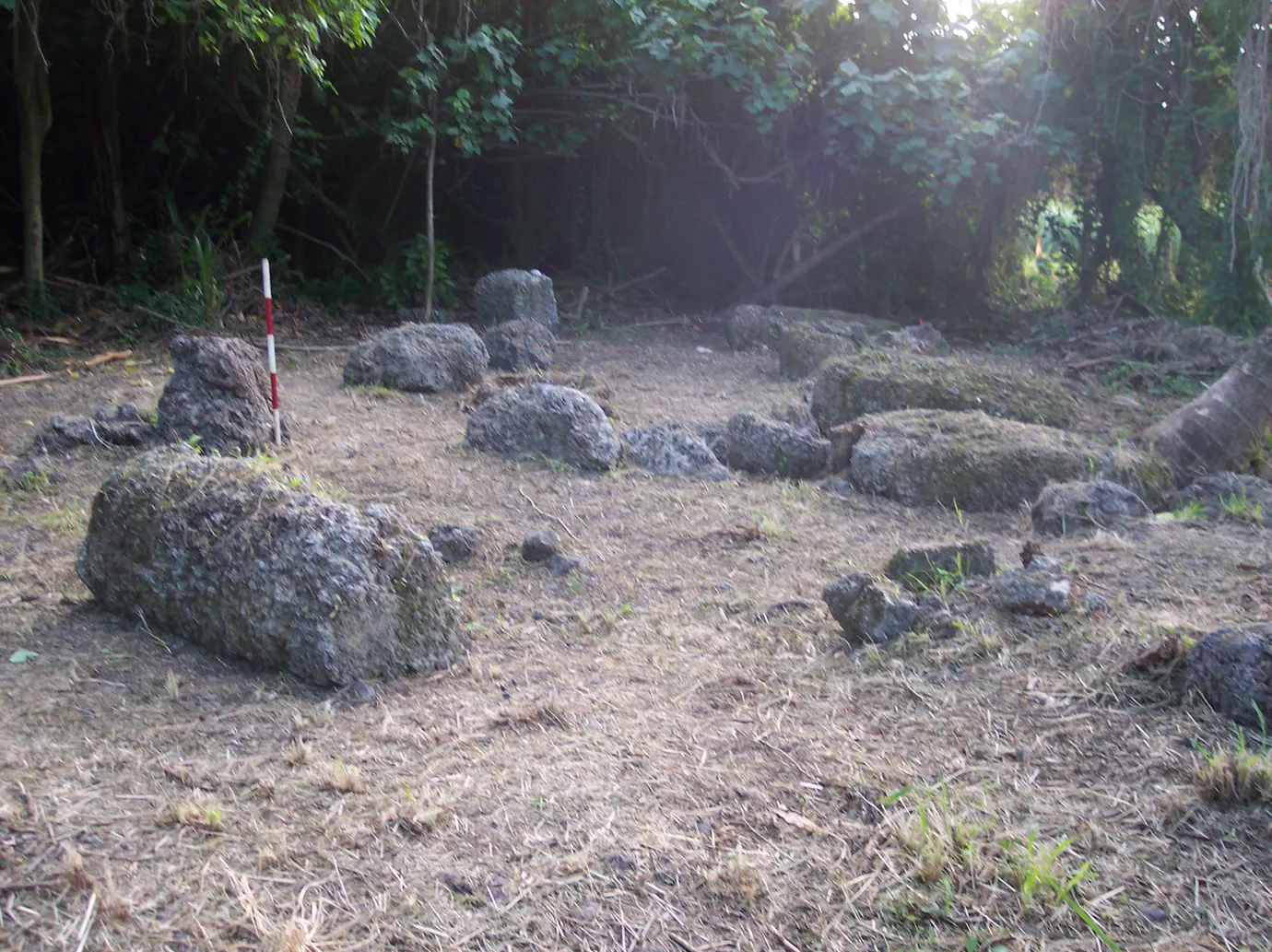
Yet of all these storied places, the one that whispers from the deepest past is Unai Bapot, a quiet strip of shore along Laulau Bay.
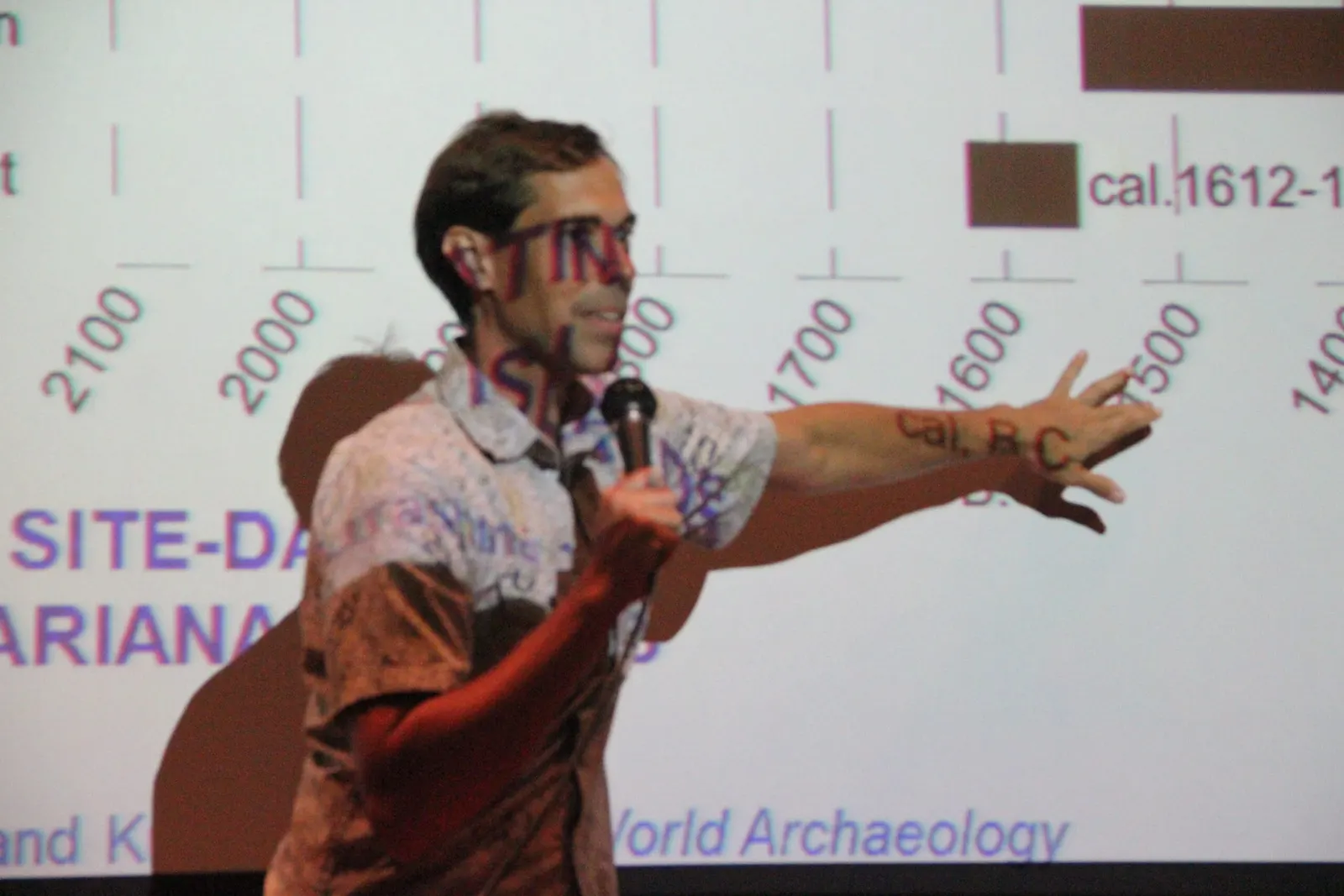
Archaeologist Dr. Mike T. Carson, building on earlier excavations from the 1970s and 80s, led a team here in 2005. Digging more than two meters down into the sandy soil, they uncovered a cultural layer that radiocarbon testing dated to more than 3,500 years ago—older, even, than the famous House of Taga on nearby Tinian. At the time, it was an ancient beachfront.
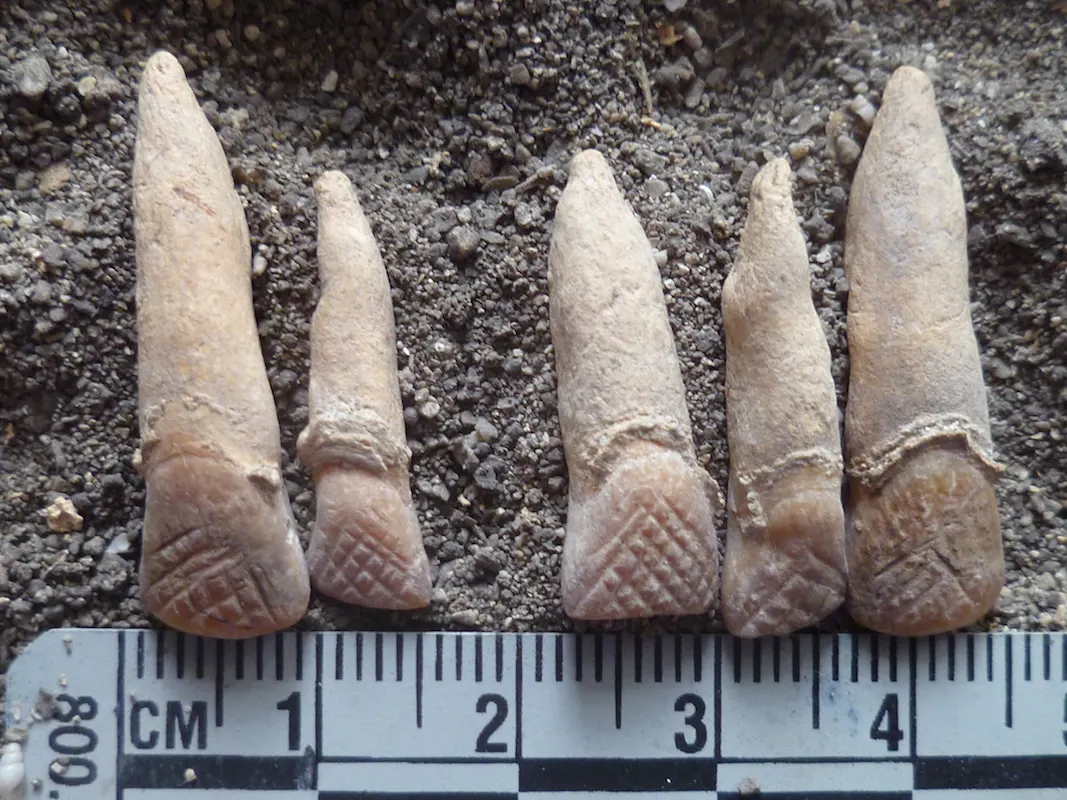
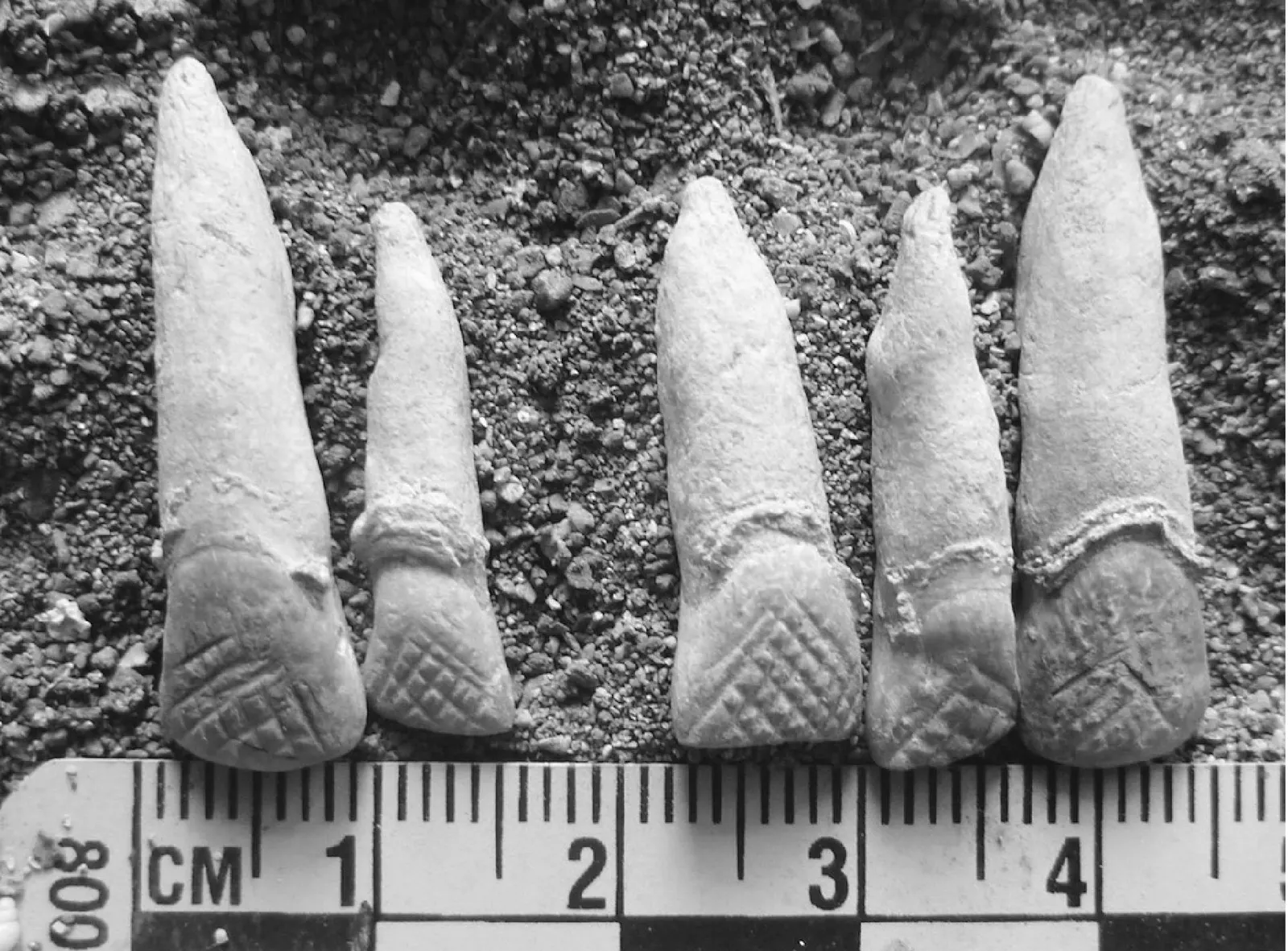
What they found beneath the earth was remarkable: delicate red-slipped pottery, rare black-burnished shards decorated with fine stamped and incised patterns, and a scattering of shell tools, ornaments, and animal bones. Each fragment offers a clear window into how these early voyagers lived, worked, and gathered food.
"More excavation," Dr. Carson noted, "can help us identify the shapes of houses and cooking areas—bringing the distant past into real-life terms for us today."
While further study remains to fully untangle its earliest layers, Unai Bapot stands as something extraordinary: not just the oldest known site on Saipan, but perhaps one of the oldest human settlements in all of remote Oceania.
comments
00