
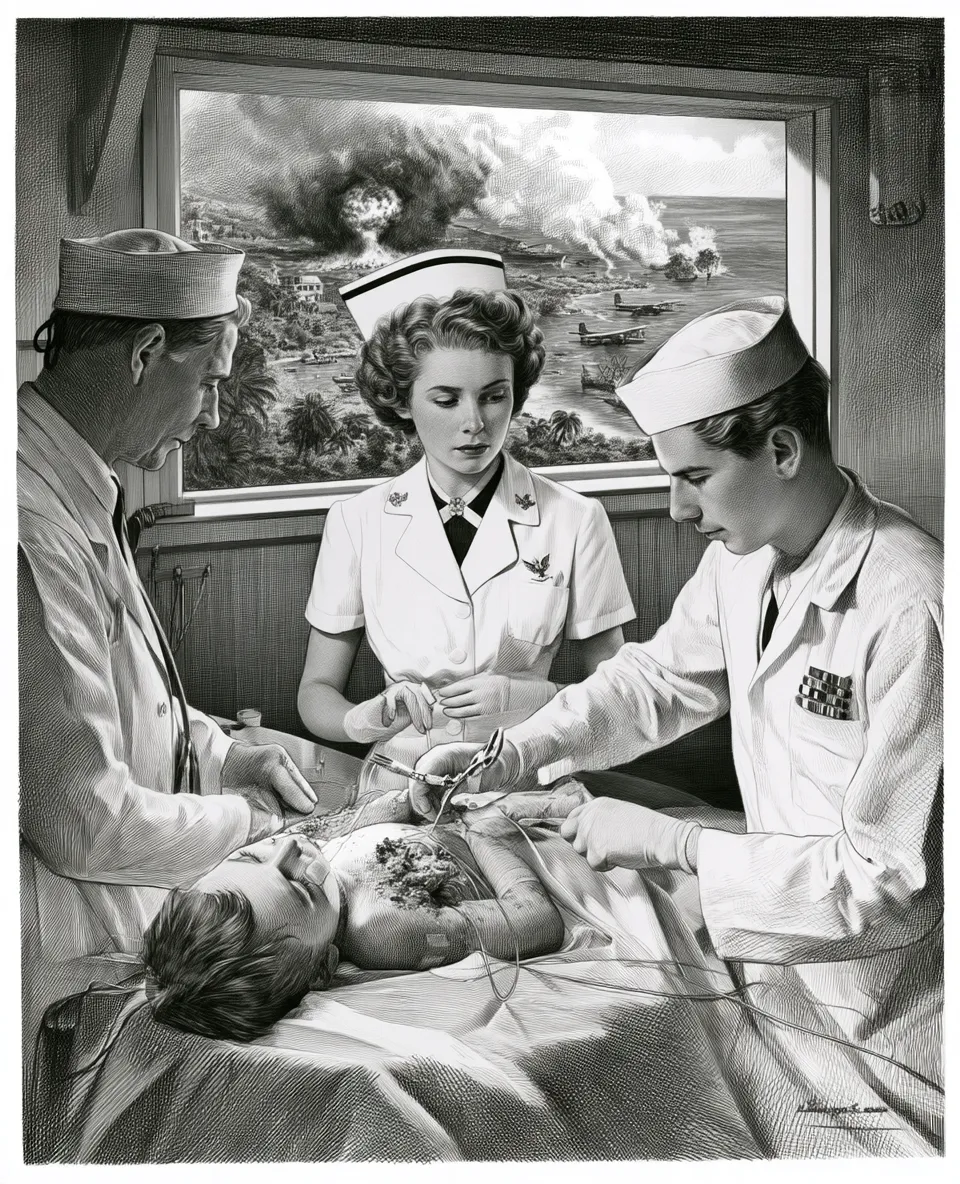
In December 1941, on an operating table on Guam, a wounded Chamorro boy looked up at Wilma Leona Jackson and asked if he was going to die. Jackson, a Navy nurse who had arrived on the island the year before, told him no—a gentle lie, or perhaps just a hope. The boy was not comforted. "I don't care if I do," he said. "If I die, I will not have to live under these Japanese." He died a short while later.
I came across that exchange while reading through old accounts of the war in the Pacific. It was good work, the digging. Gathering details from those years—tracing the daily routines of the nurses on Guam and the Angels of Bataan—became a steady habit. If you turn over enough old paper, a voice eventually carries through clearly enough to make you stop reading and pay attention.
The war had been coming for a long time. Months before the first air strikes, the Navy evacuated women and children from the island, leaving behind a place suspended in quiet waiting. When word of Pearl Harbor reached Guam on December 8, no one was surprised. When Japanese planes appeared overhead a few hours later, the main feeling among the staff was a grim sort of relief: at least the families were already at sea.
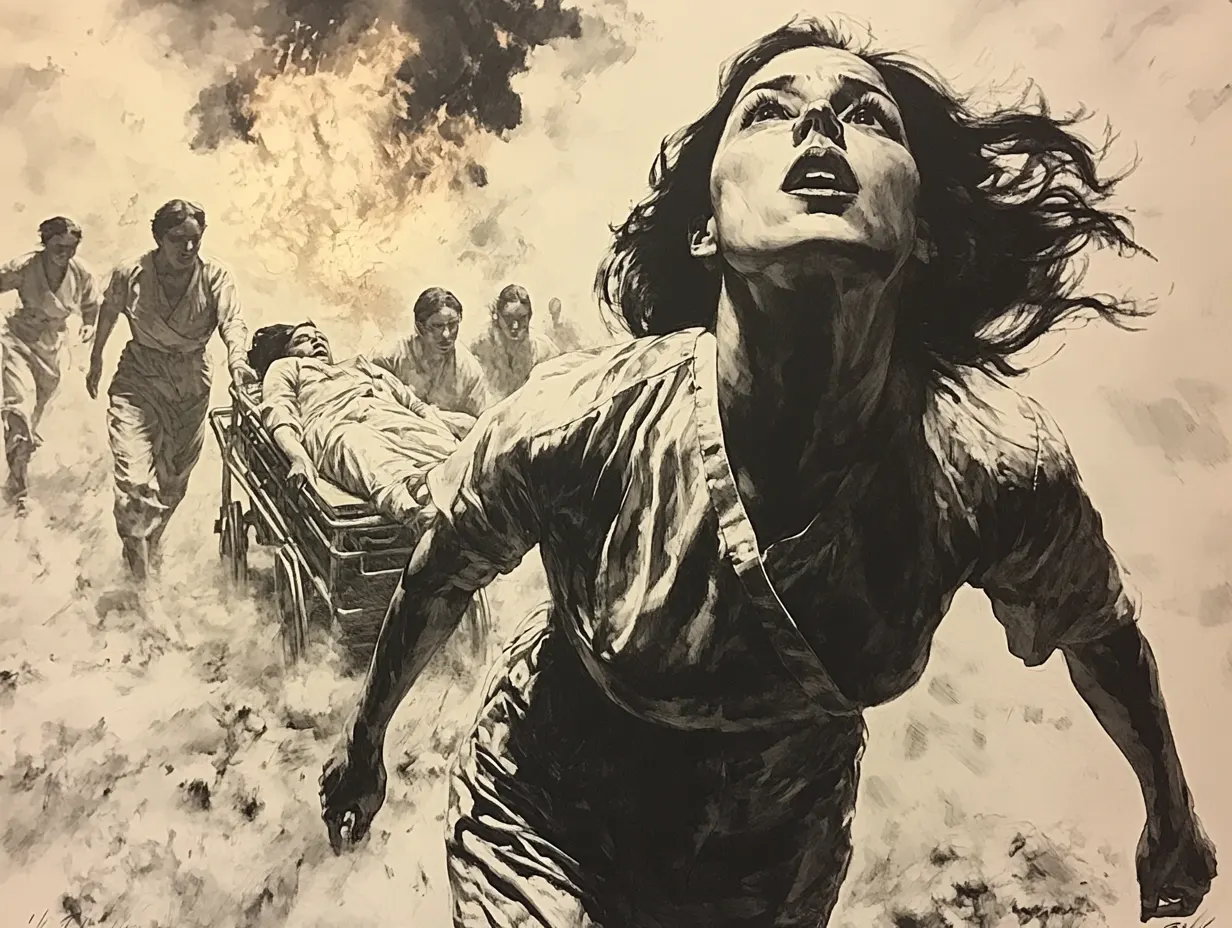
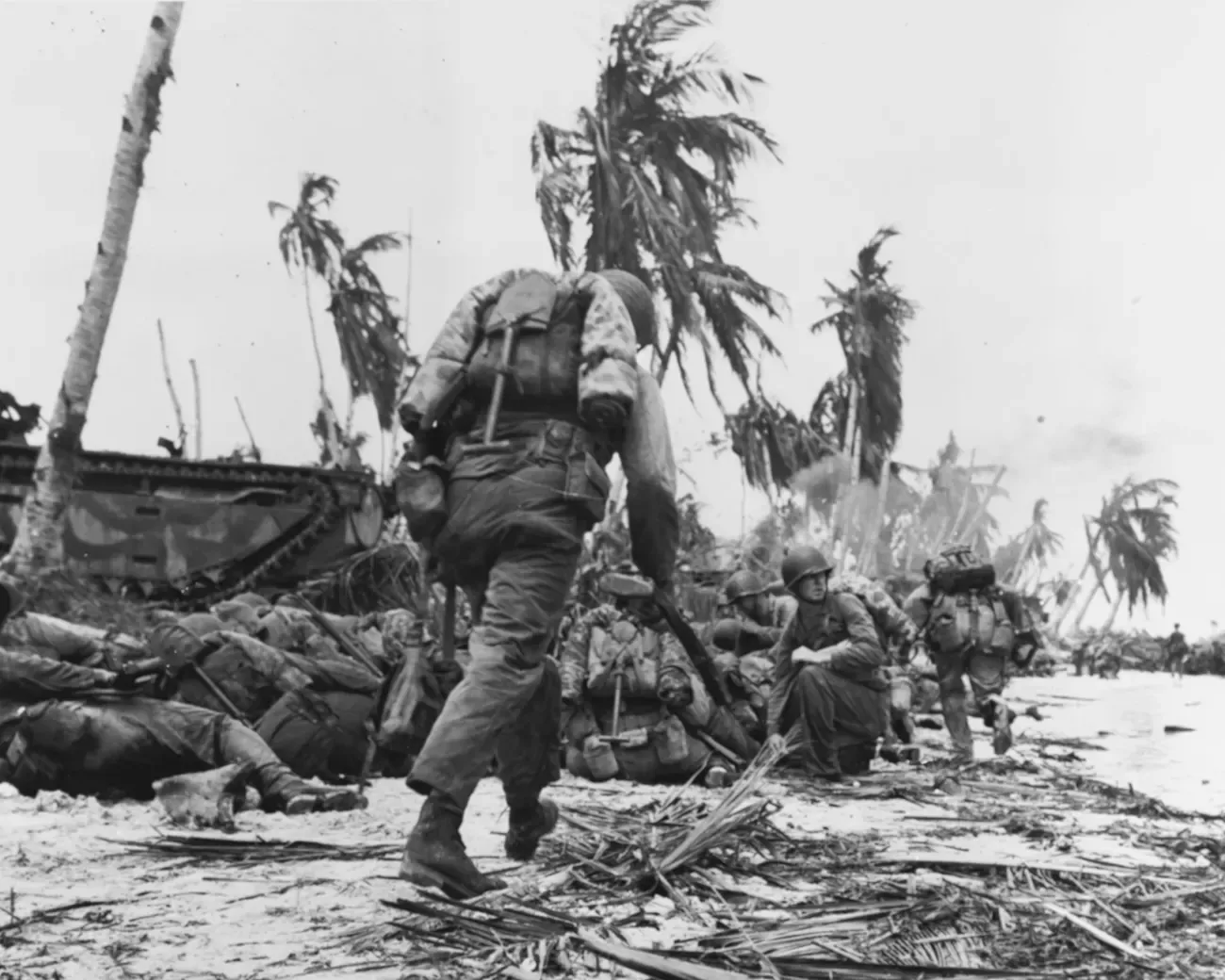
What followed came fast. The hospital filled up. Jackson and four other Navy nurses worked through the bombing, dressing wounds and carrying stretchers while the building shook and the island fell apart outside. Within days, the local defense collapsed.
In January 1942, the nurses were put aboard a ship bound for Japan—the first American military women taken as prisoners of war. They spent five months in captivity, dealing with cold quarters, small rations, and the long days of waiting, until an exchange ship brought them back to the United States that summer.
Jackson stayed in the Navy Nurse Corps for years after, eventually retiring as a captain. Her written accounts are brief and factual, free of self-pity or flourish. But the boy on the operating table remains in the record. He died just as the occupation began, spared at least the three years of hardship that lay ahead for the rest of the island.

comments
00