
Before a single pillar could be raised or a foundation poured for the new casino-resort in Garapan, the law—and the soil itself—demanded a pause. An extensive archaeological survey had to be conducted first. For months, while investors waited and heavy machinery idled beyond the fence, the ground belonged not to engineers or contractors, but to those who work with trowels and small brushes. It was an engaging, stirring time for anyone who cared about history, as the past rose up to meet the present in full view of an uncertain future.
The site was situated on a broad, dusty patch of land where the old Samoan housing used to stand, marking the largest archaeological undertaking the islands had seen in years. Yet even before the ancient past came fully into focus, the ground offered a sharp reminder of a more recent catastrophe. During an early phase of the dig, workers struck a live, unexploded World War II ordnance. The discovery brought Garapan’s bustling business district to a sudden halt, paralyzing traffic and commerce for hours while bomb disposal specialists carefully neutralized the threat. It was a stark, unsettling sign of how many layers of human history lay stacked in that quiet dirt.
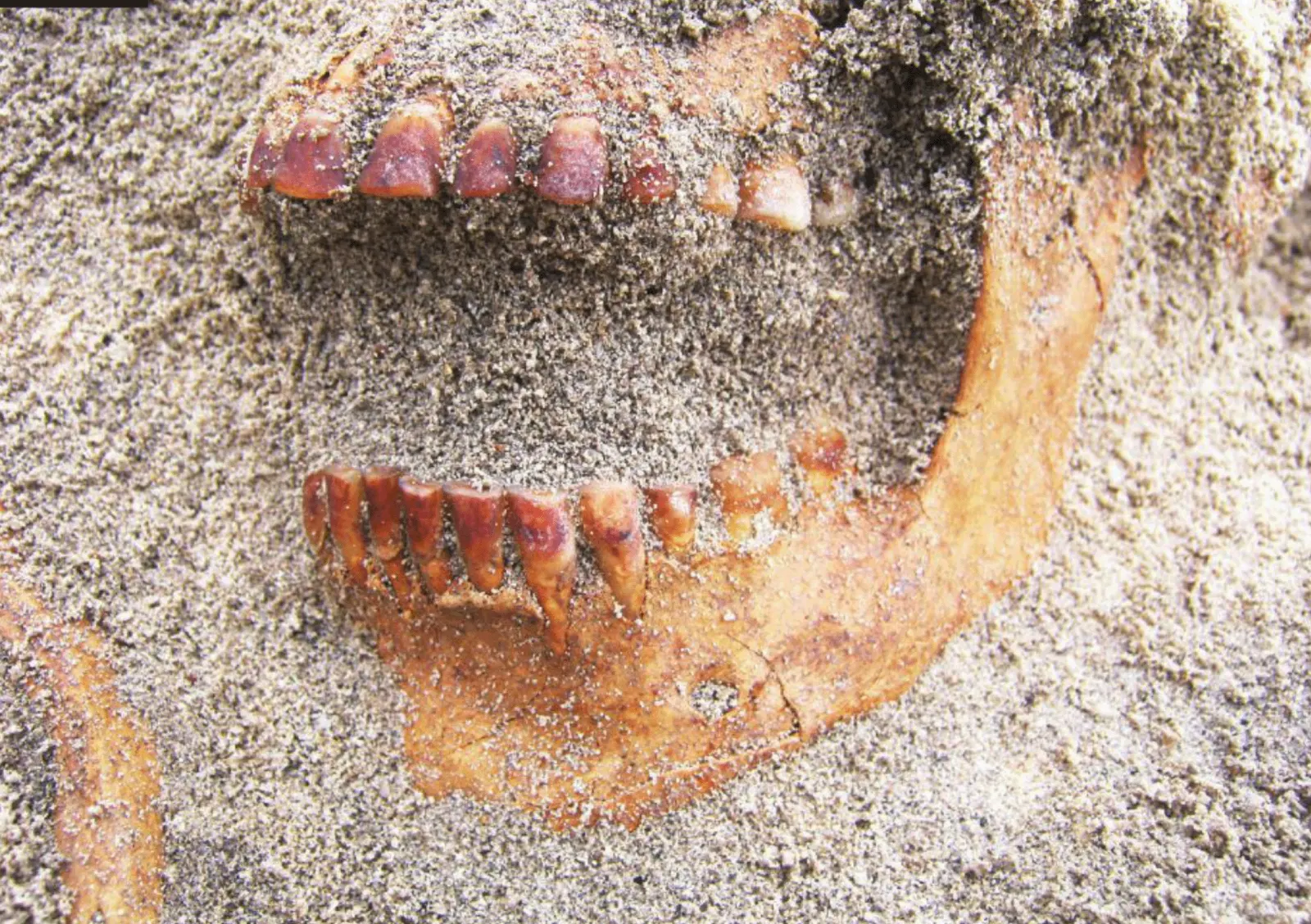
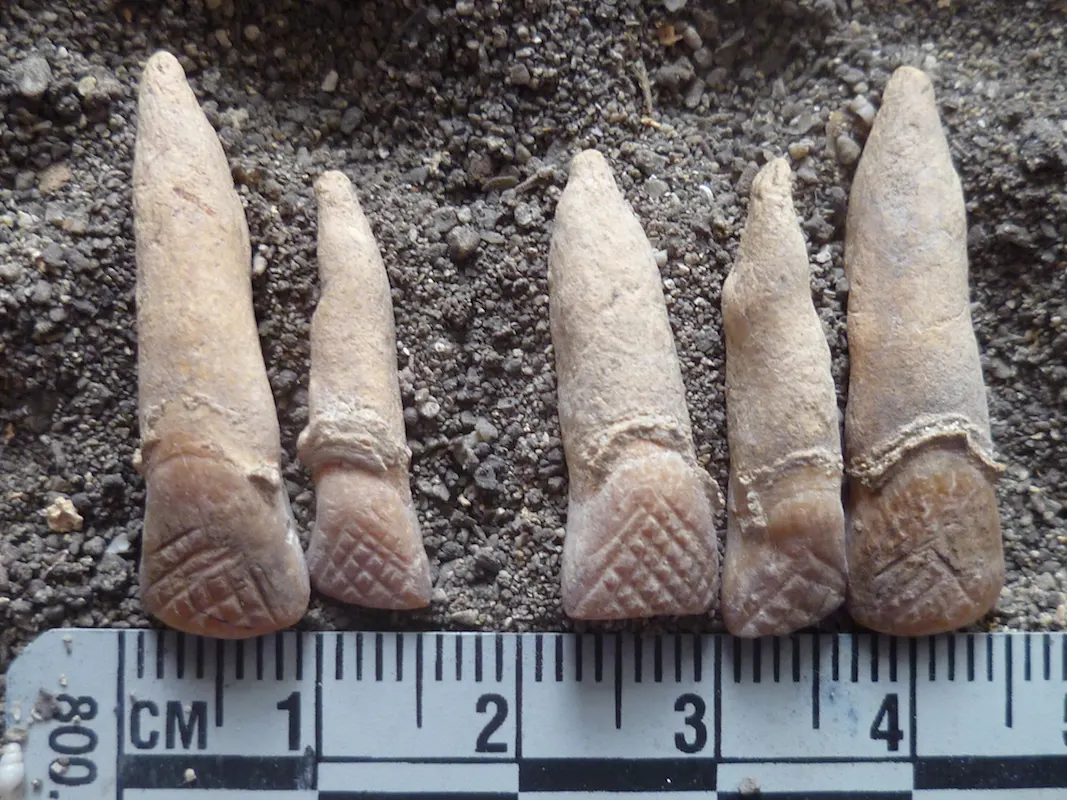
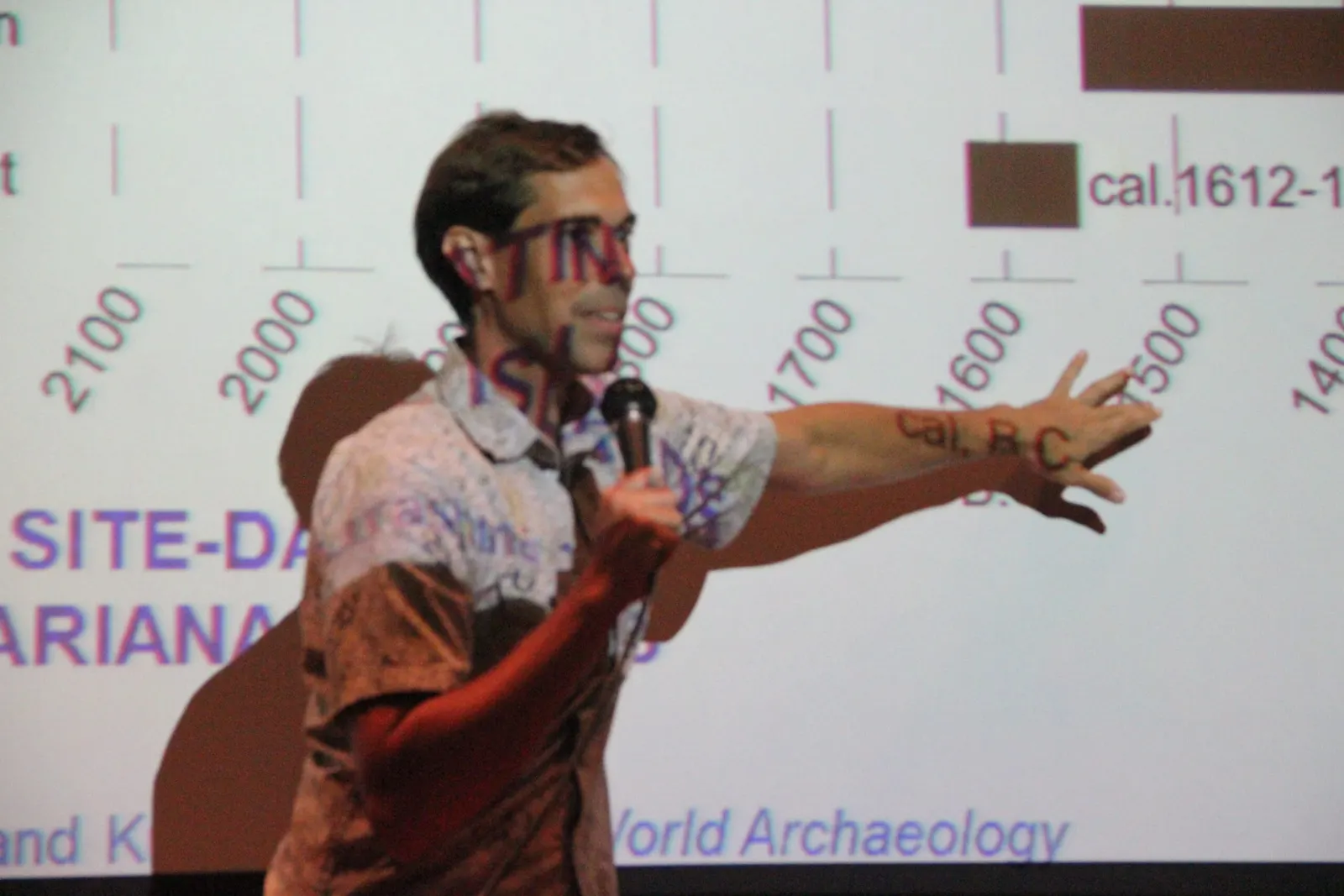
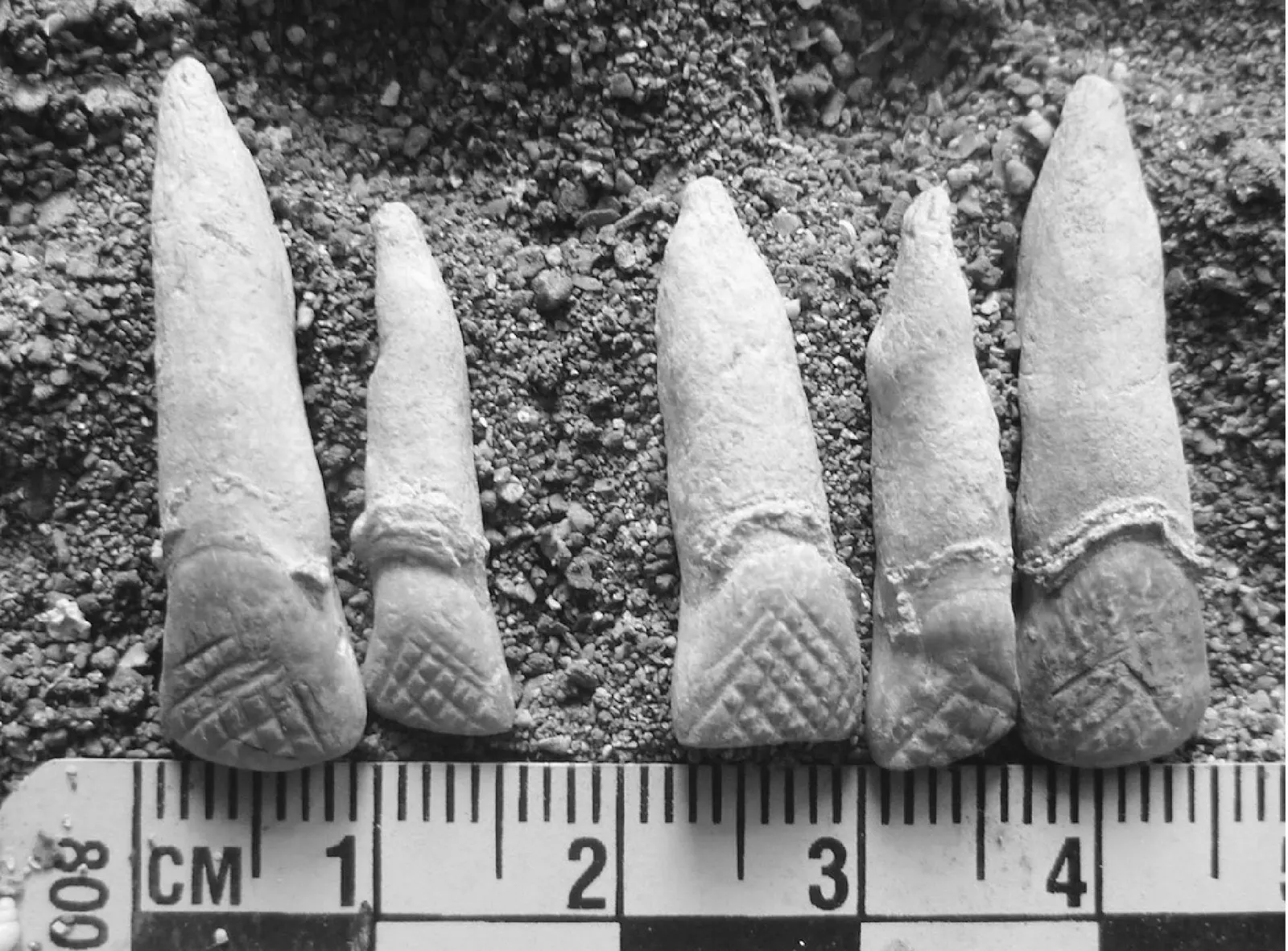
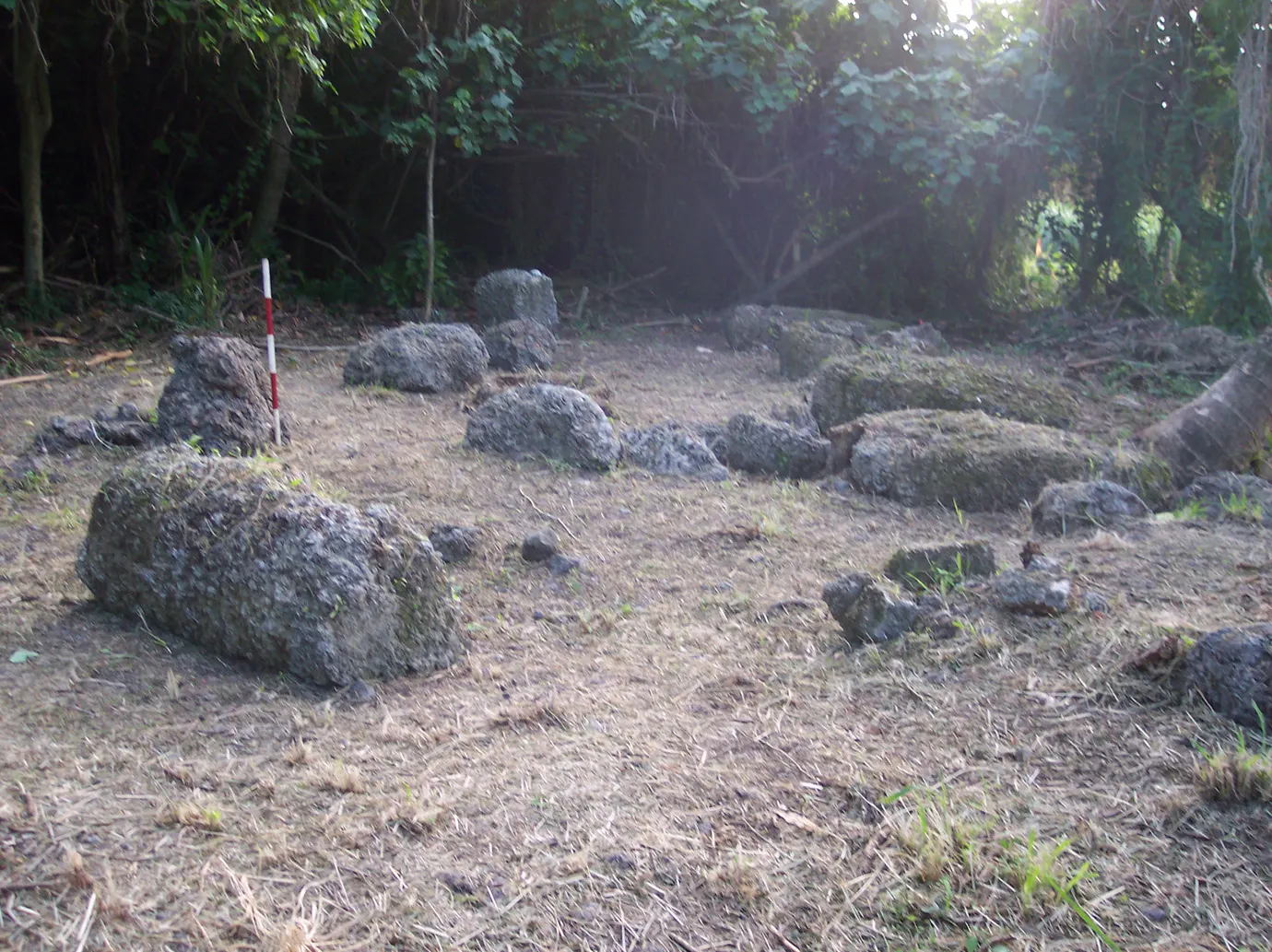
Once the danger cleared, the slow work of unearthing the deeper past resumed. I was fortunate enough to secure an interview with Dr. Mike Dega, the lead archaeologist, who walked me through the open pits and showed me what the months of careful digging had yielded—a remarkable collection of artifacts, bones, and remnants of a Pre-Contact Chamorro village dating back some eight hundred years.
Among the finds was a massive ceramic bowl, nearly three feet across, excavated with painstaking care by a young local university student named Vanessa Cabrera. Dr. Dega estimated the vessel was five or six centuries old. Beside it lay the remains of a woman and a child, left together in a deliberate, tender arrangement. Looking at the smooth curve of that old clay, one realized how generous the earth is with its relics, yet how stubborn with its secrets. Science can measure the temper of the clay, but it cannot tell us the precise nature of the devotion that placed it there.
Inevitably, the excavation sparked deep heartache and controversy. A local group emerged to advocate for the site, demanding that the land receive the reverence it deserved as a sacred burial ground for their ancestors. At the same time, the casino project by Best Sunshine carried immense promise for the commonwealth’s immediate survival; its license fees provided a critical lifeline that stretched the endangered public pension fund for thousands of retirees. The island found itself suspended between honoring its ancient dead and securing the livelihood of its living.
I had long since left the island by the time the actual building rose. From hundreds of miles away, I would catch news of Garapan from time to time on a screen or in a headline. Like so many others who had lived and worked there, I had genuinely hoped for its success. A thriving resort meant stability, better wages, and a brighter turn of fortune for local families and contract workers alike—people who had traveled far from home to build a life on that small stretch of shore.
It brings a quiet sadness to see how it all fizzled out. The grand plans for a Macau-style resort soon buckled under a tangled web of labor disputes, regulatory troubles, federal investigations, and financial collapse. Today, the project sits as a silent, oversized shell in the heart of Garapan—a massive monument of concrete and glass with zero economic activity, empty halls, and unfulfilled hopes.
Looking back across the distance at that hollow tower and the ground beneath it, the casino's grand blueprints feel strangely temporary. Long before the bomb fell, and long before the concrete was poured, people lived, loved, and took their rest in the quiet dark of the Garapan earth. The resort came, glittered briefly in the news, and stalled out, but the ancient village and the spirits beneath it remain, holding their ground in the silent soil.
comments
00