
For a non-specialist dipping into the deep well of Pacific history, the debate over how and whence the Chamorro people first arrived in the Mariana Islands can easily feel like a conversation held in hushed, distant corridors. Yet, to look upon the limestone cliffs and sands of Ritidian, on the northern tip of Guam, is to see that 3,500 years of human existence do not live merely in academic disputes; they live in the ground beneath one’s feet.
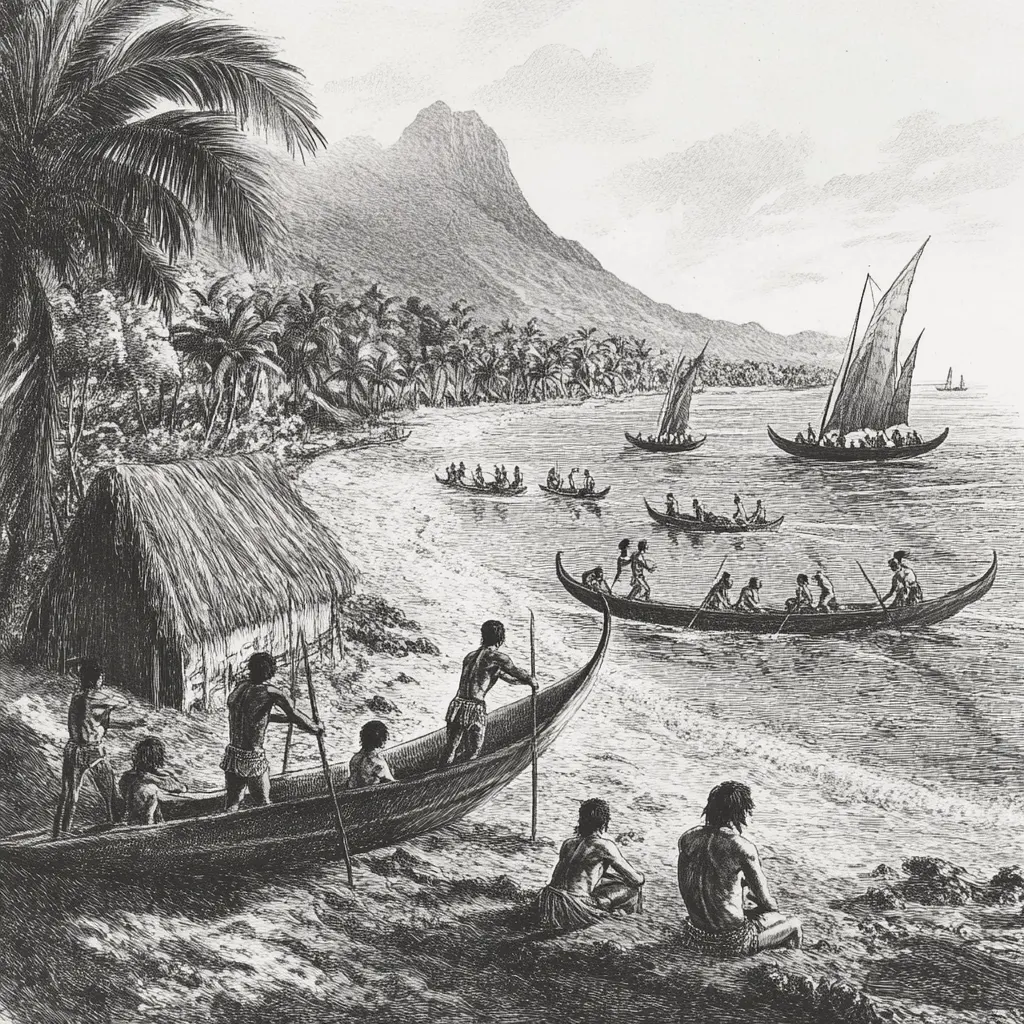
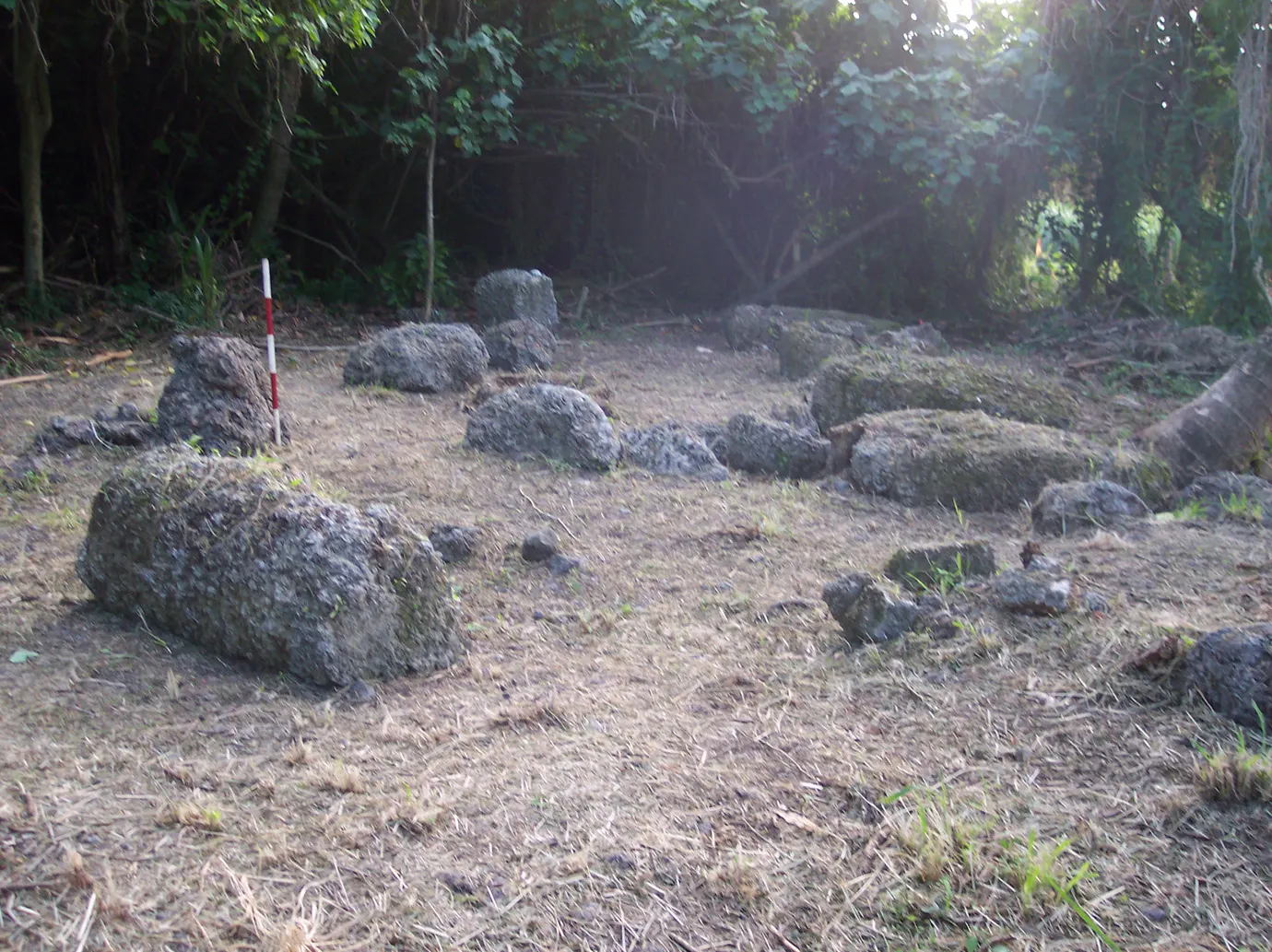
The place has the quality of a specimen preserved in amber. Shielded now as a national wildlife refuge, Ritidian sits quiet, detached from the urgent tempo of modern life. Where the sea meets the forest, one finds the quiet remnants of ancient villages, the faint tracing of red pigment on cave walls, and the stone pillars that once carried the weight of ancestral roofs. To walk among them is to realize that this was not merely a point on a map, but a home—one of the earliest permanent settlements in the vastness of the remote Pacific.
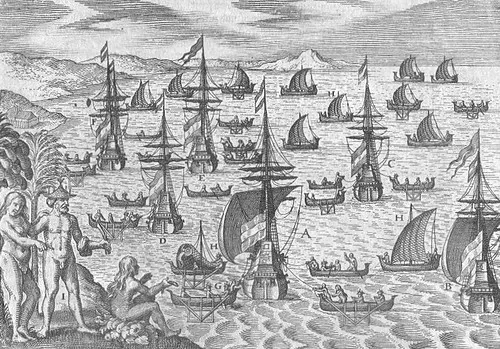
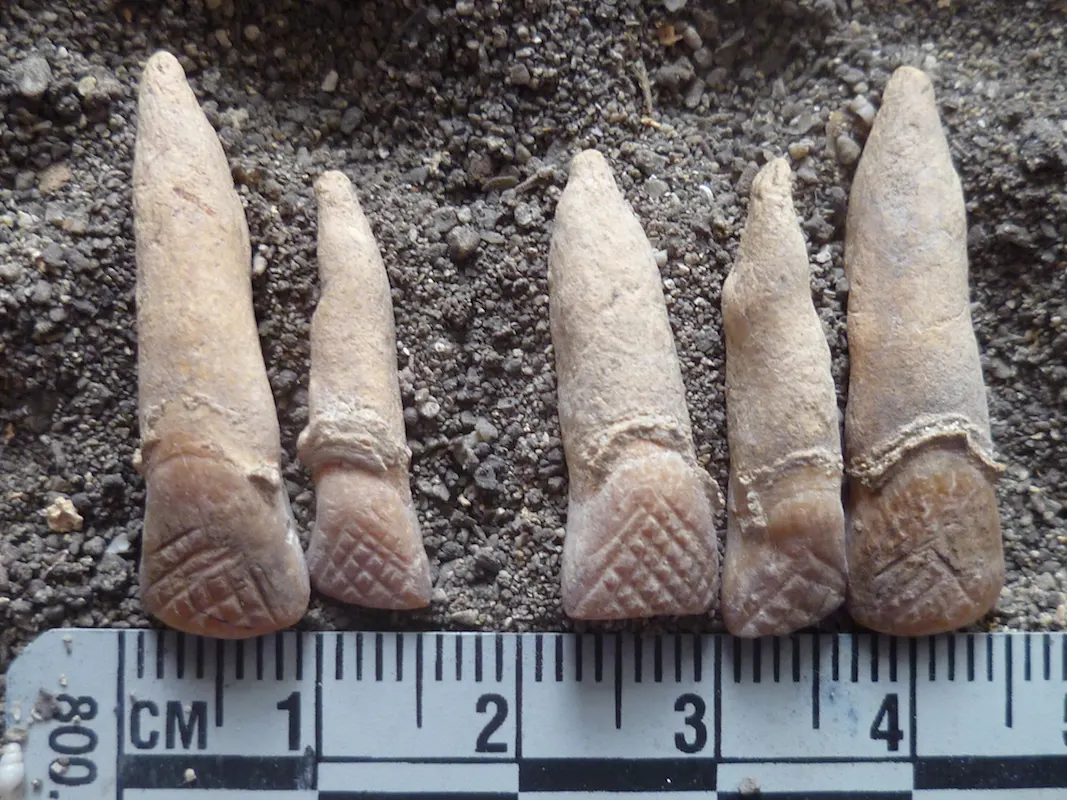
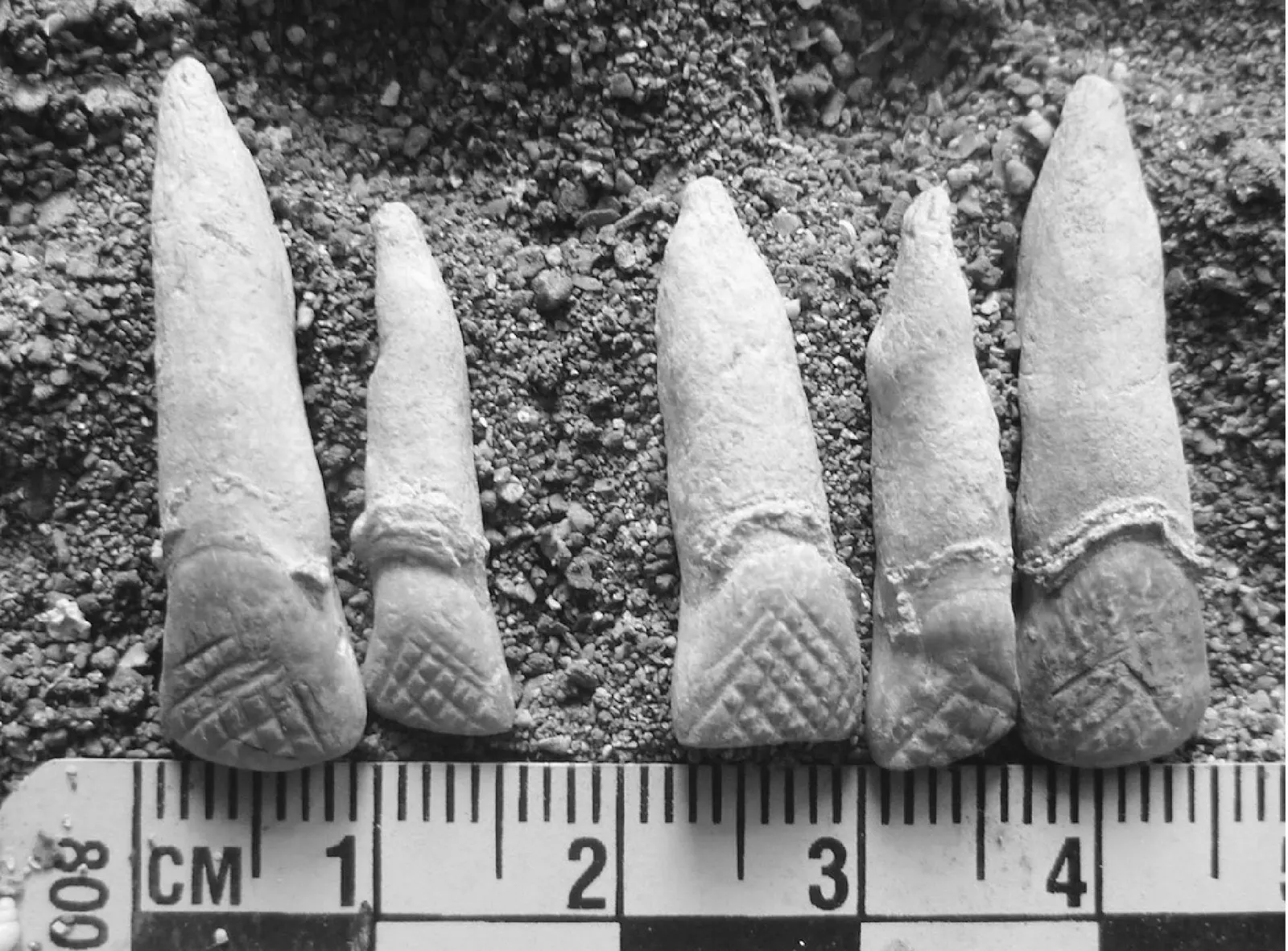
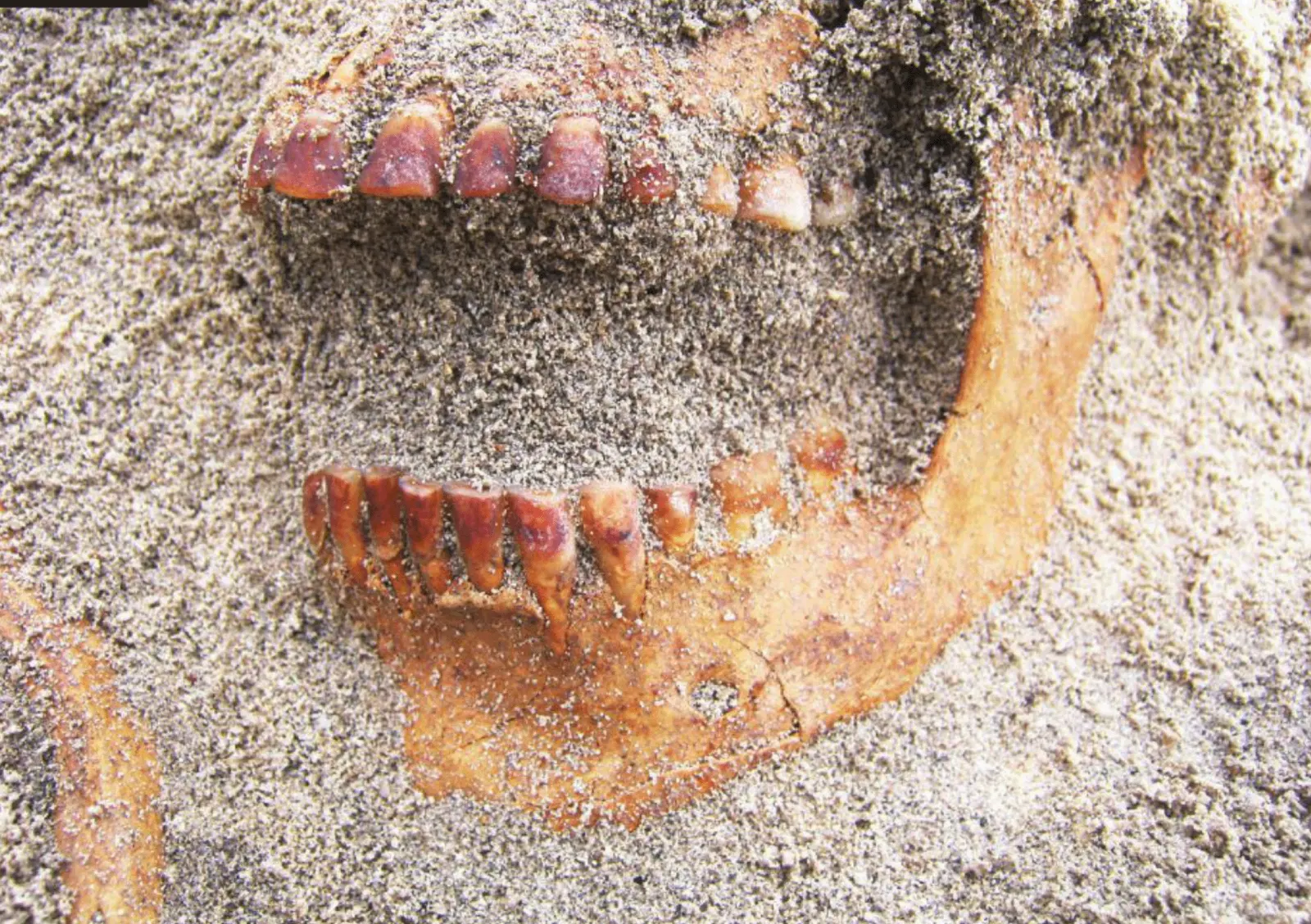
Scholars have spent lifetimes here piecing together the story. Through their trowels and careful dustings, the landscape begins to speak. They find evidence of an intricate, orderly world: the subtle division of everyday labor, the deliberate shaping of stone tools, and the long, quiet centuries during which a community learned the exact nature of its island’s ecology. Later still came the arrival of European sails on the horizon, an encounter whose echoes still ripple through the archipelago.
Yet for all the scholarly rigor that uncovers it, Ritidian offers something simpler to the casual reader of history. It reminds us of the sheer tenacity required to navigate an open ocean three millennia ago, to find a tiny strip of land, and to stay. As the sun drops below the Philippine Sea and the forest darkens, the ancient stones remain—unmoved by time, indifferent to the tide, carrying the quiet dignity of a people who made a home out of the sea.
comments
00