
Men have always found strange, painstaking ways to mark themselves, to say to the world—or perhaps only to each other—that they belong to a certain place, or trade, or degree of fortitude. Long before anyone thought to pour a latte or pave a relief road through Dorset, the impulse to alter one’s own teeth was quietly at work across the globe. It was not a gentle business. It required a hard jaw, a steady file, and a willingness to endure a very sharp kind of pain.
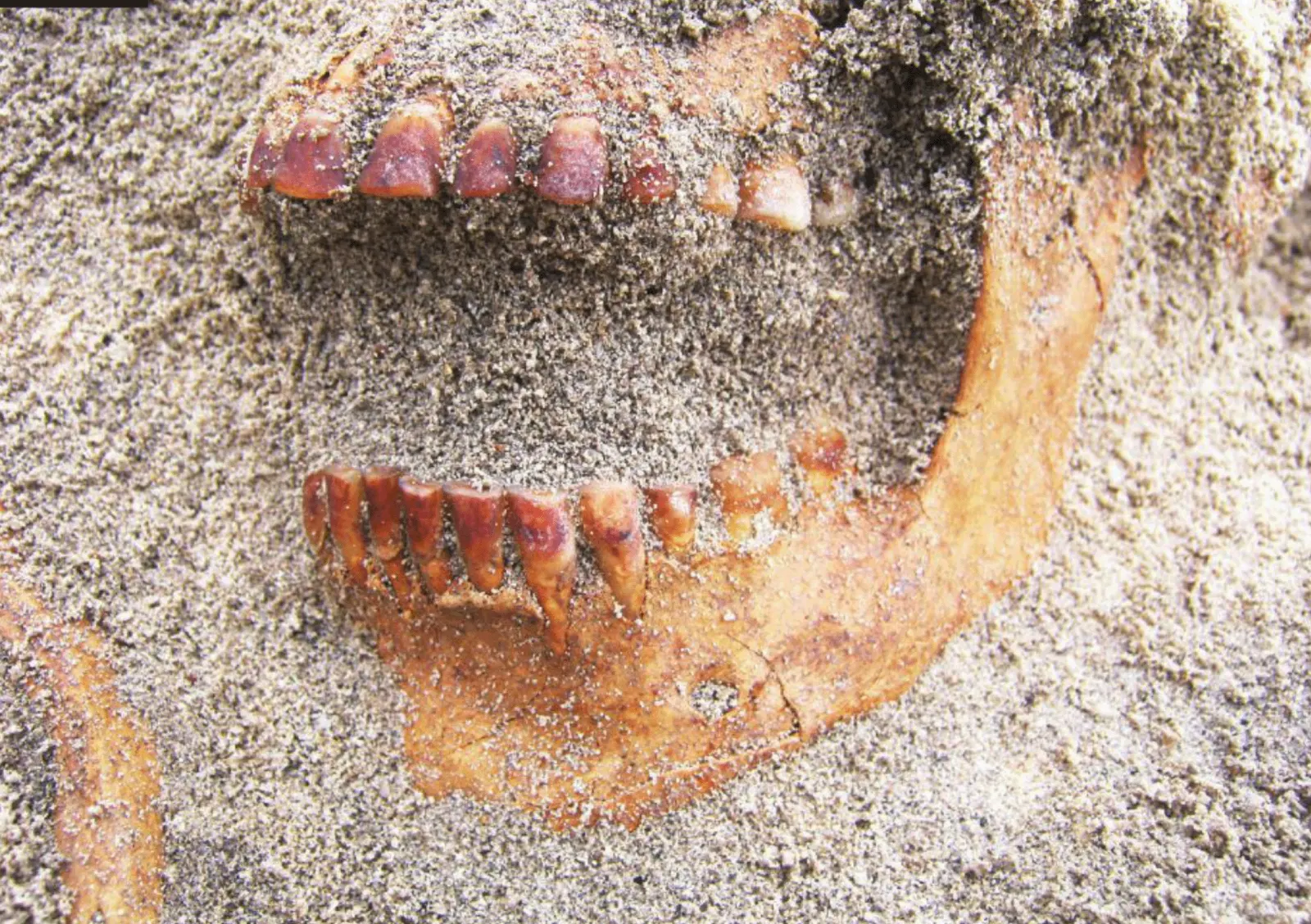
For a long time, scholars took it for granted that old Europe was above such deliberate bone-carving. But the earth, when dug up, has a way of undoing settled ideas. In Sweden and along the chalky hills of England, the bones of Viking warriors emerged with fine, parallel grooves etched straight across their front teeth. Twenty-four men found in southern Scandinavia bore these neat scars; fifty-four more turned up in a pit near Weymouth, their skulls telling much the same story. David Score, standing over the Dorset remains, could only speculate on what drove a Norseman to sit still for the rasp. Was it to frighten an enemy on the beachhead? To announce oneself as a man of the sea or a master of some shared trade? Nobody can say for certain.
What we do know, thanks to Caroline Arcini’s careful microscopic work, is that a man could not easily file his own front teeth—someone else had to hold the instrument and press down. Nor was it a quick death-rite or a boy’s entry into manhood. High-powered lenses show micro-scratches smoothed over by later meals, proving these men lived on, chewing their coarse bread and dried fish long after the craftsman had finished his work.
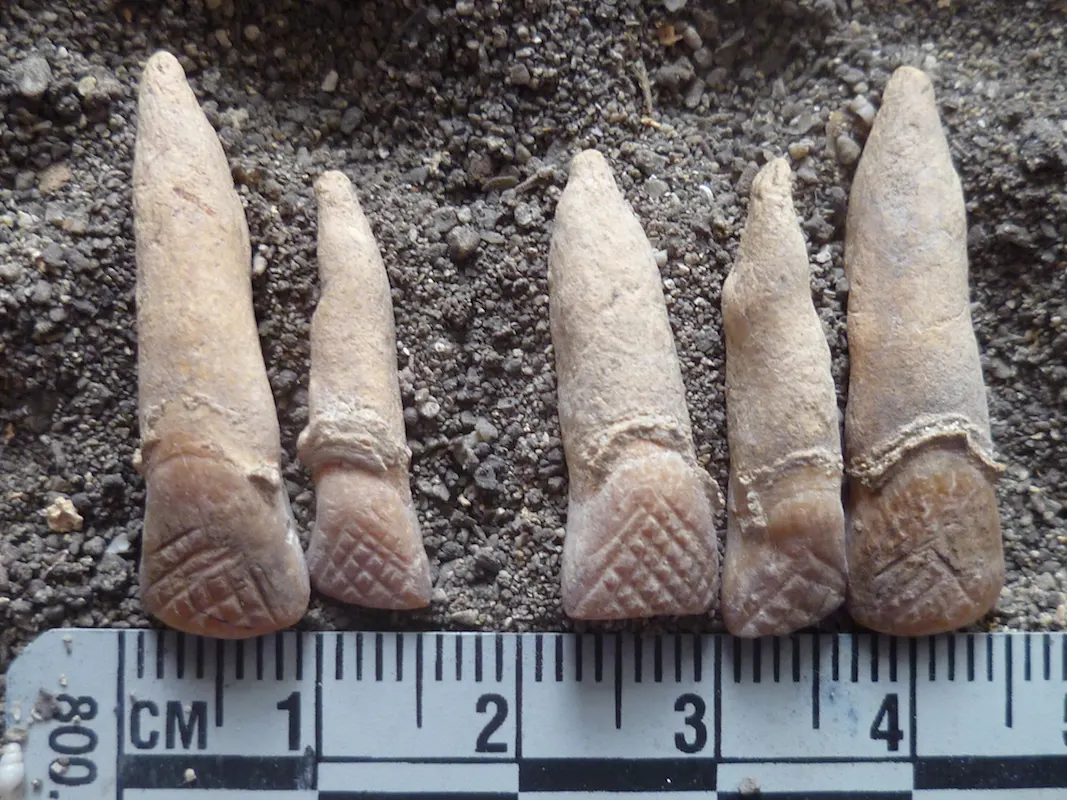
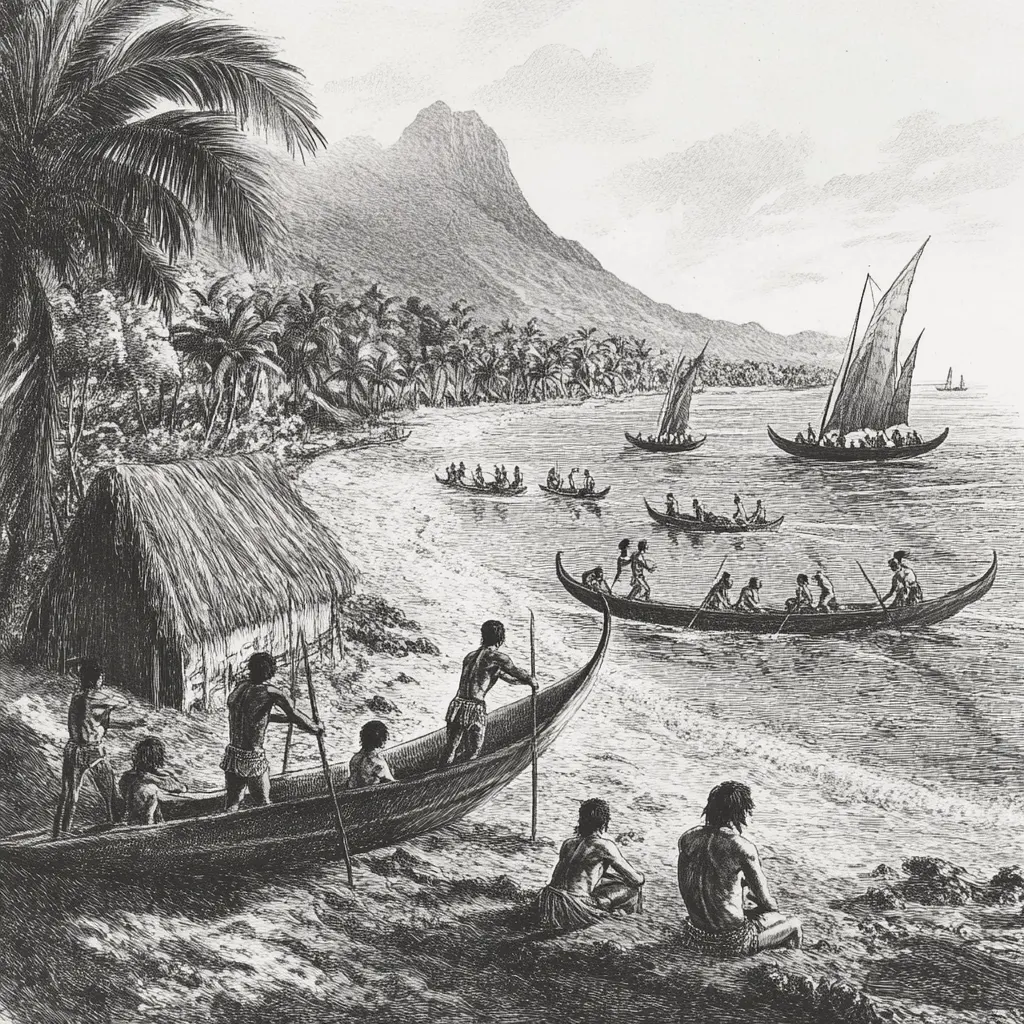
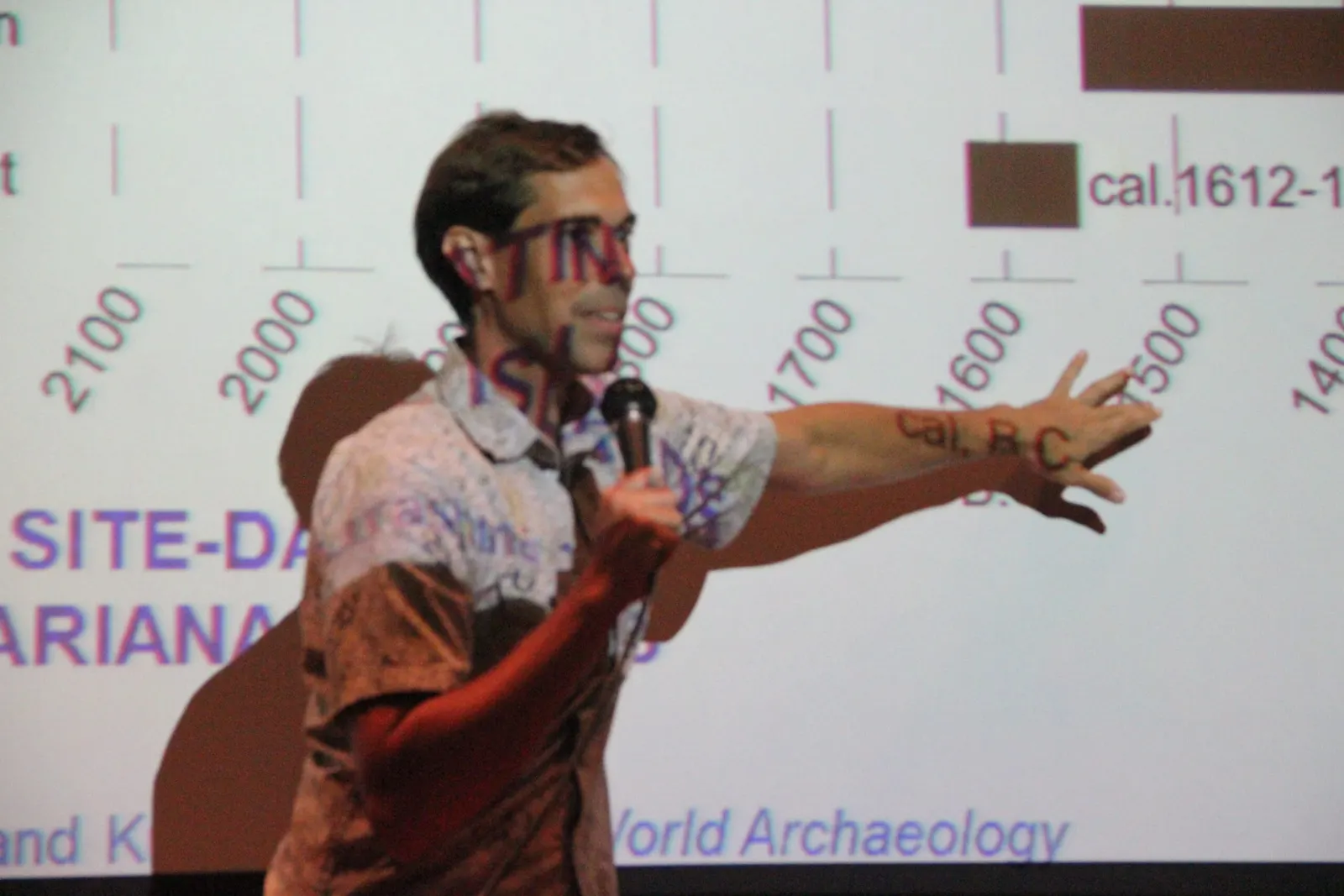
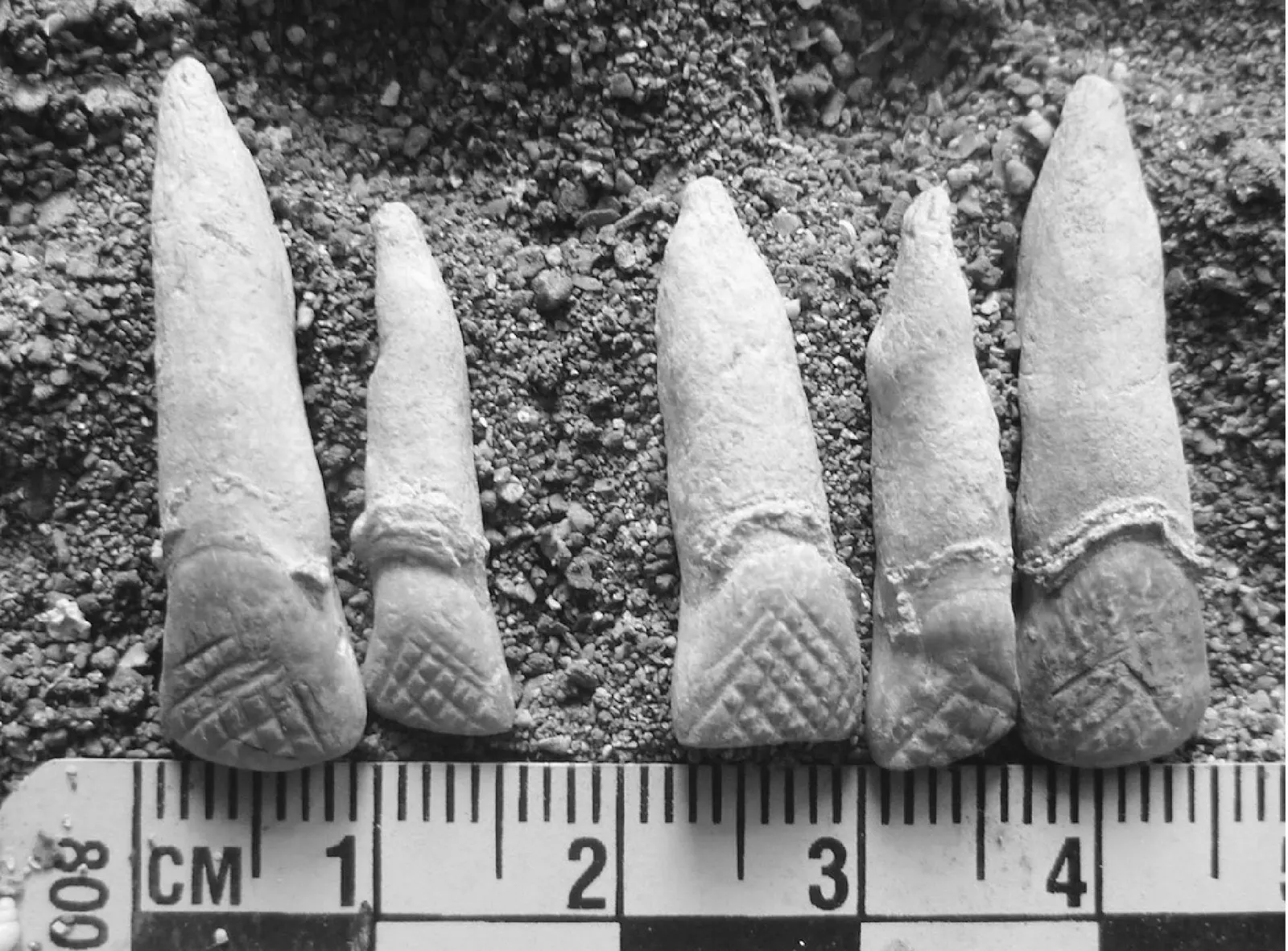
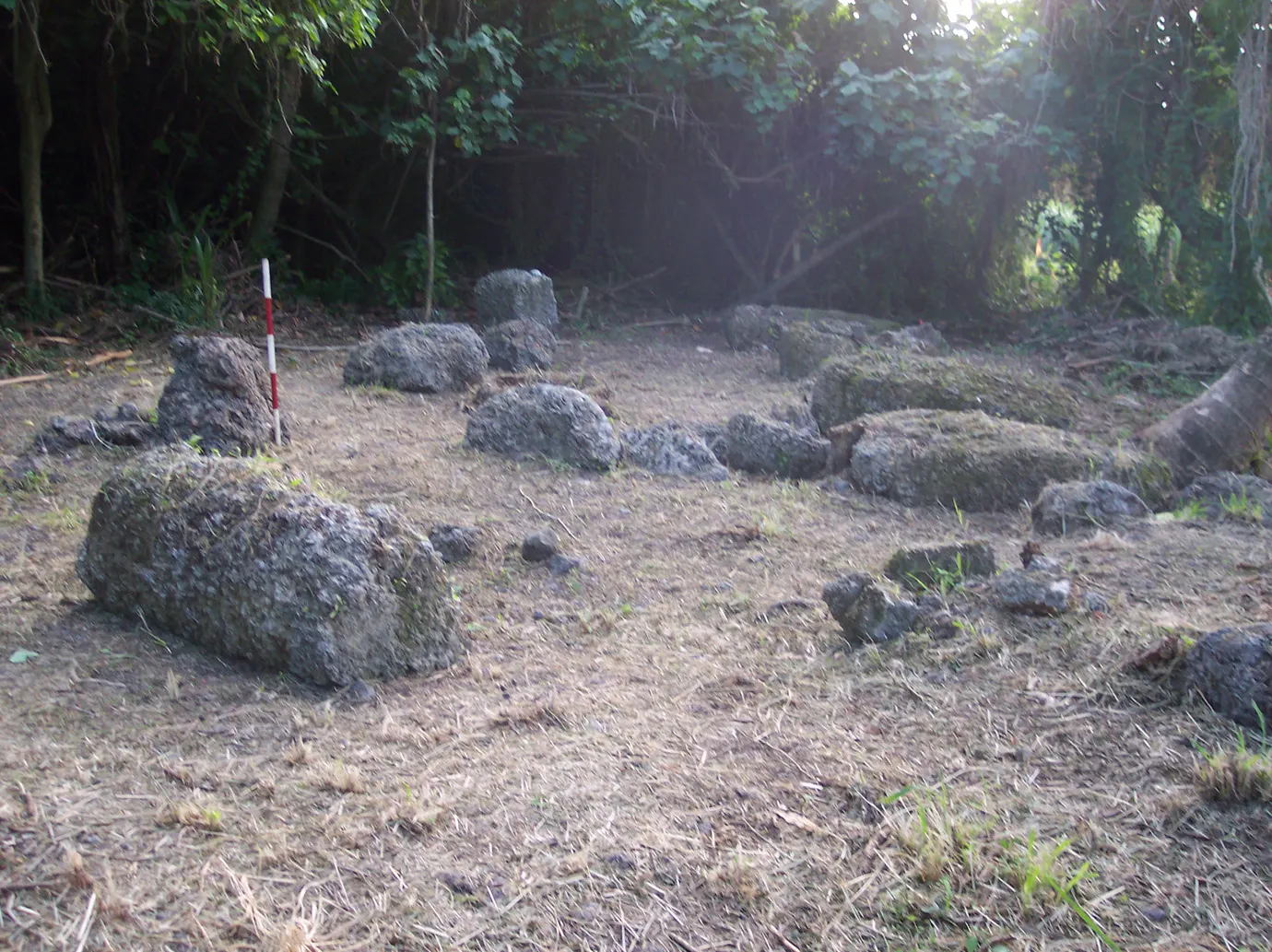
Across the Pacific, on the sun-baked islands of the Marianas, the old Chamorros were busy at the very same trade. Cherrie Walth, who has spent thirty years sifting through the teeth of Guam, knows the collection better than most. In the quiet centuries before Spanish ships drifted over the horizon, the islanders took to two main methods: horizontal abrading and delicate incising. Dr. Rona Ikehara-Quebral has charted the patterns—neat vertical lines, slanting diagonals, and tight cross-hatched grids. The abrading was particularly grim work, dragging stone across enamel until the raw red pulp inside was laid bare.
It was, by all accounts, a global affliction. Between the eighth and fifteenth centuries, the world was quietly humming to the scrape of stone on bone. In the forests of the Americas, teeth were inlaid with bits of green jade; along the rivers of West Africa, Vietnam, and the Sudan, front teeth were ground down to sharp points.
Why men did it remains one of those durable mysteries that keeps archaeologists up at night. Perhaps it was simple vanity, or a badge of lineage, or just the old, stubborn human desire to leave a mark where everyone is bound to notice it—right behind a smile.

comments
00