
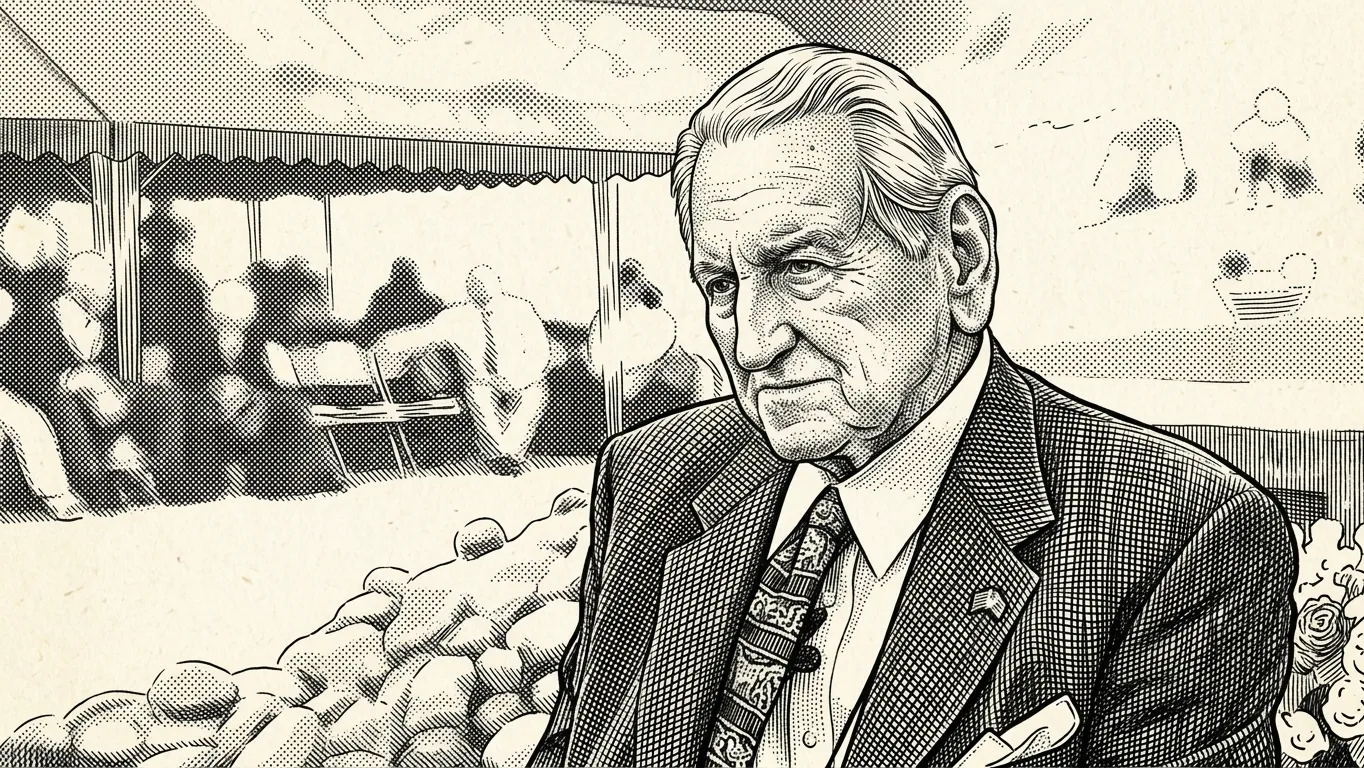
A friend from the VFW Post on Saipan called me one morning with a sudden report: "General Snowden is here!" At the time, the name suggested little to me beyond a vague impression of military distinction. It took a few clicks and a friendly Google search to grasp who was sitting down at the post—a leader who had walked across the dark, volcanic shores of history and carried their weight across the decades.
When I met U.S. Marine Corps Lt. Gen. Lawrence Snowden in March 2012, he had just returned from a visit to Iwo Jima. He carried his ninety-some years with a dry, uncomplicated directness. He did not traffic in romantic notions about warfare. To Snowden, freedom was less an abstract ideal than a heavy item bought at high cost, paid for in human lives, and needing periodic renewal.
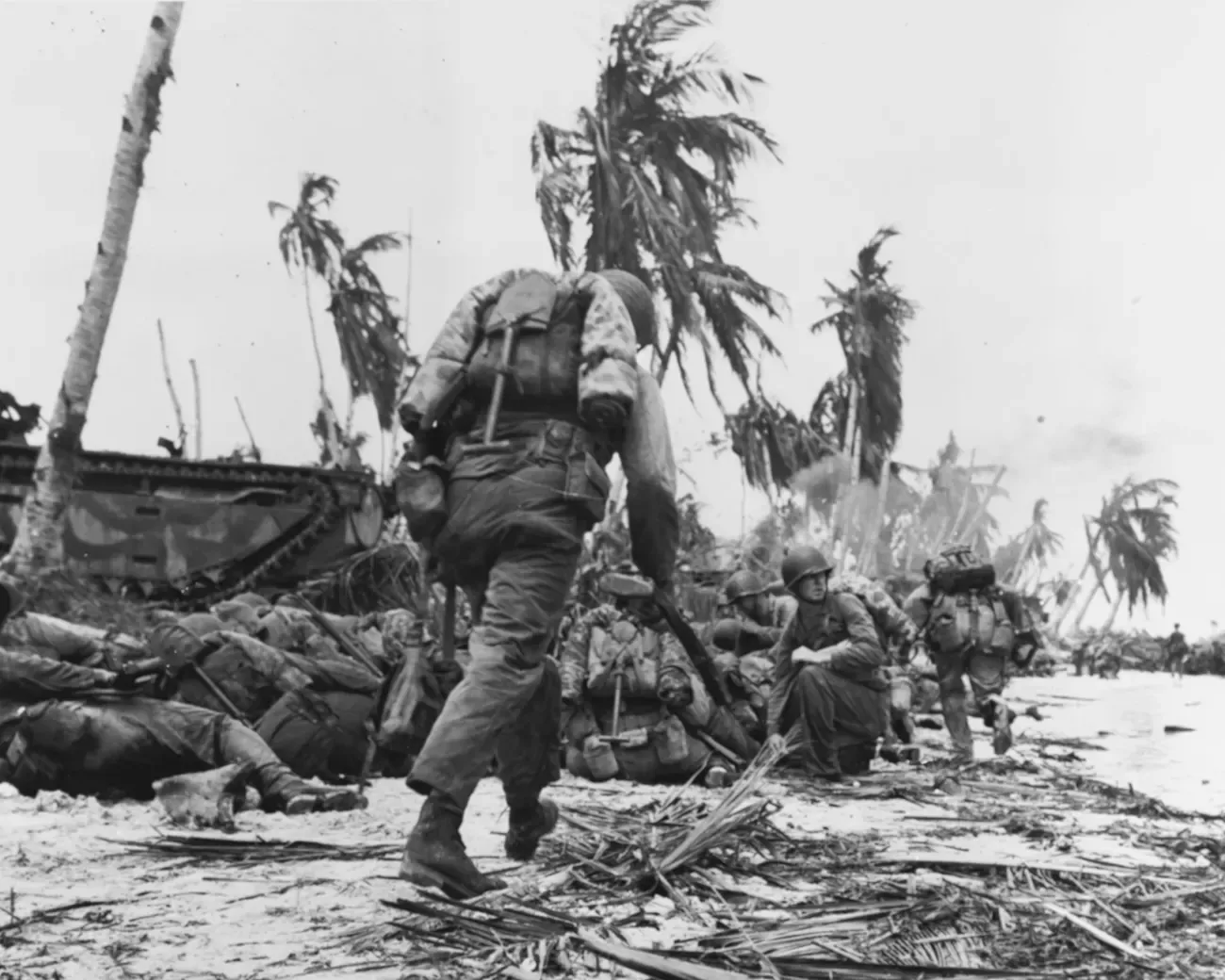
He knew the price firsthand. In June 1944, as a twenty-three-year-old captain, he stormed the beaches of Saipan near the spot where the Pacific Islands Club now stands. Where tourists now swim in warm, turquoise water, he saw only a landscape torn open by bombs, strewn with metal junk and the wreckage of landing craft. "We didn't see the beauty of it then," he remarked, looking out over the sand sixty-eight years later. "It is beautiful now, and can be appreciated for what it is."
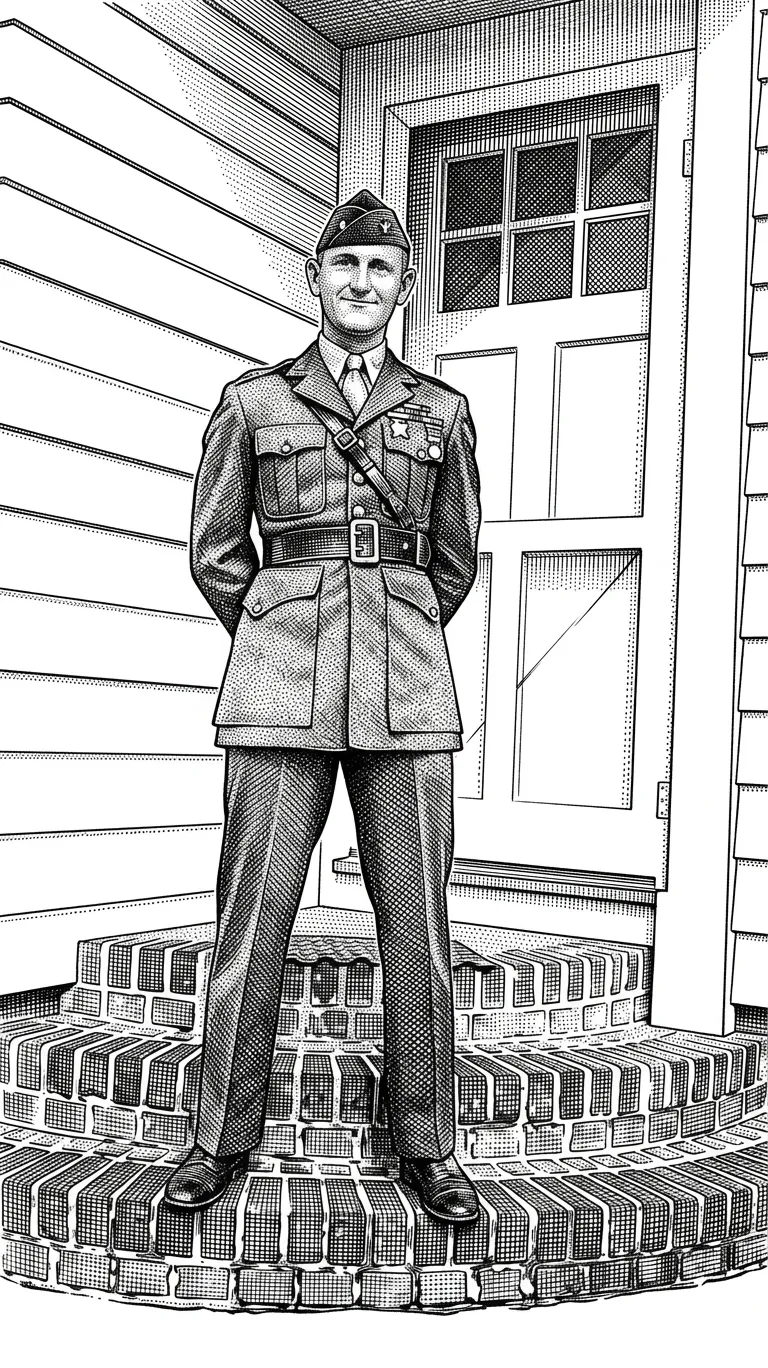
Nothing in his account left a deeper mark than Iwo Jima. Landing on February 19, 1945, his assault company went in with the very first waves. What followed was thirty-six days of ferocious combat against a deeply entrenched enemy. The naval bombardments and heavy aerial bombing, he explained, had barely scratched the Japanese positions. "The real problem was we were on Iwo Jima; the Japanese were in it." Bunkers were encased in ten feet of reinforced steel beneath mounds of earth, while early American bombs detonated on surface contact, leaving the troops thirty feet below largely untouched. It was a brutal, mechanical ordeal, and Snowden considered his own survival a matter of sheer luck. "I suppose I am an experienced warrior," he said, "but it was a terrible, terrible event."
His perspective on modern conflicts was equally untethered to sentiment. Speaking on the wars in Iraq and Afghanistan, he voiced the skepticism of a man who had seen original intentions distorted by reality. He recalled feeling unconvinced that weapons of mass destruction were ever present in Iraq, believing the intervention had begun on the wrong premise—though he maintained that once committed, troops had no choice but to see the mission through. As for Afghanistan, he viewed the long campaign against tribal authority with weary pragmatism. "Ultimately," he said, "we have to say we have done our job here and we are going home."
When the conversation turned to the psychological toll of combat—the delayed, lingering poison of post-traumatic stress—he offered no easy remedies. He spoke of a friend who had fought in Vietnam and still spent his later years in psychiatric care, trying to make sense of what he had done fifty years earlier. "Going to war and killing people creates troublesome memories," Snowden said plainly. "Over time, either your mind handles that or it doesn't."
To address the divide between the public and the military, Snowden favored a system of universal conscription, suggesting that every seventeen-year-old give a period of service to the nation—whether in the armed forces, the Peace Corps, or public hospitals. It was not a call for militarism, but a belief in shared obligation. He brought that same message to local students visiting the post, urging them to read history so they might understand that the ease of their present lives was underwritten by those who came before.
General Snowden died in a Florida hospice in February 2017 at the age of ninety-five, after a long career that spanned World War II, Korea, and Vietnam, followed by decades in international commerce. Sitting across from him that afternoon in Saipan, one did not sense a man searching for glory or dwelling on past honors. He was simply a survivor of large and terrible events—a man who had learned his lessons on the black sands, taking comfort in the knowledge that he had done his part to preserve a world where beaches could once again be seen as beautiful.
comments
00