
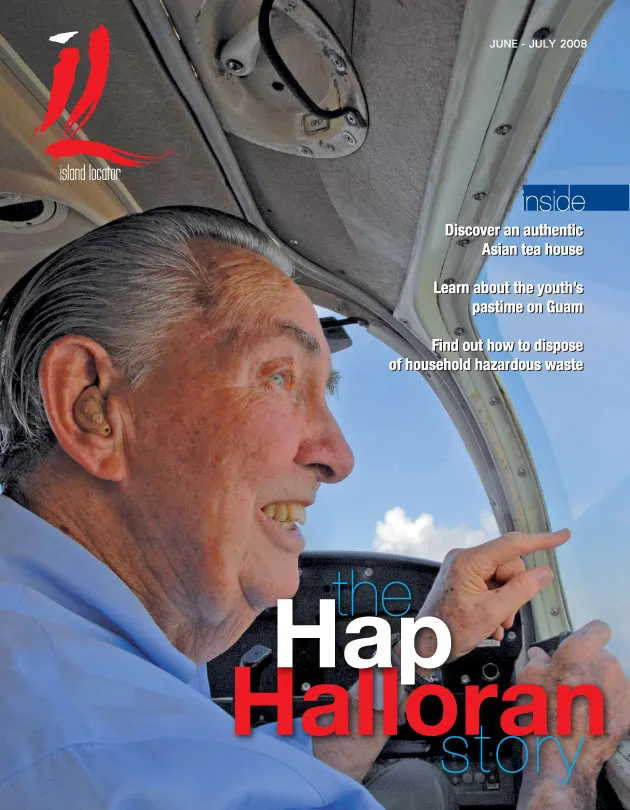
Of all the World War II veterans I have known, Raymond "Hap" Halloran remains the most vivid. He left an impression that time has done nothing to dull.
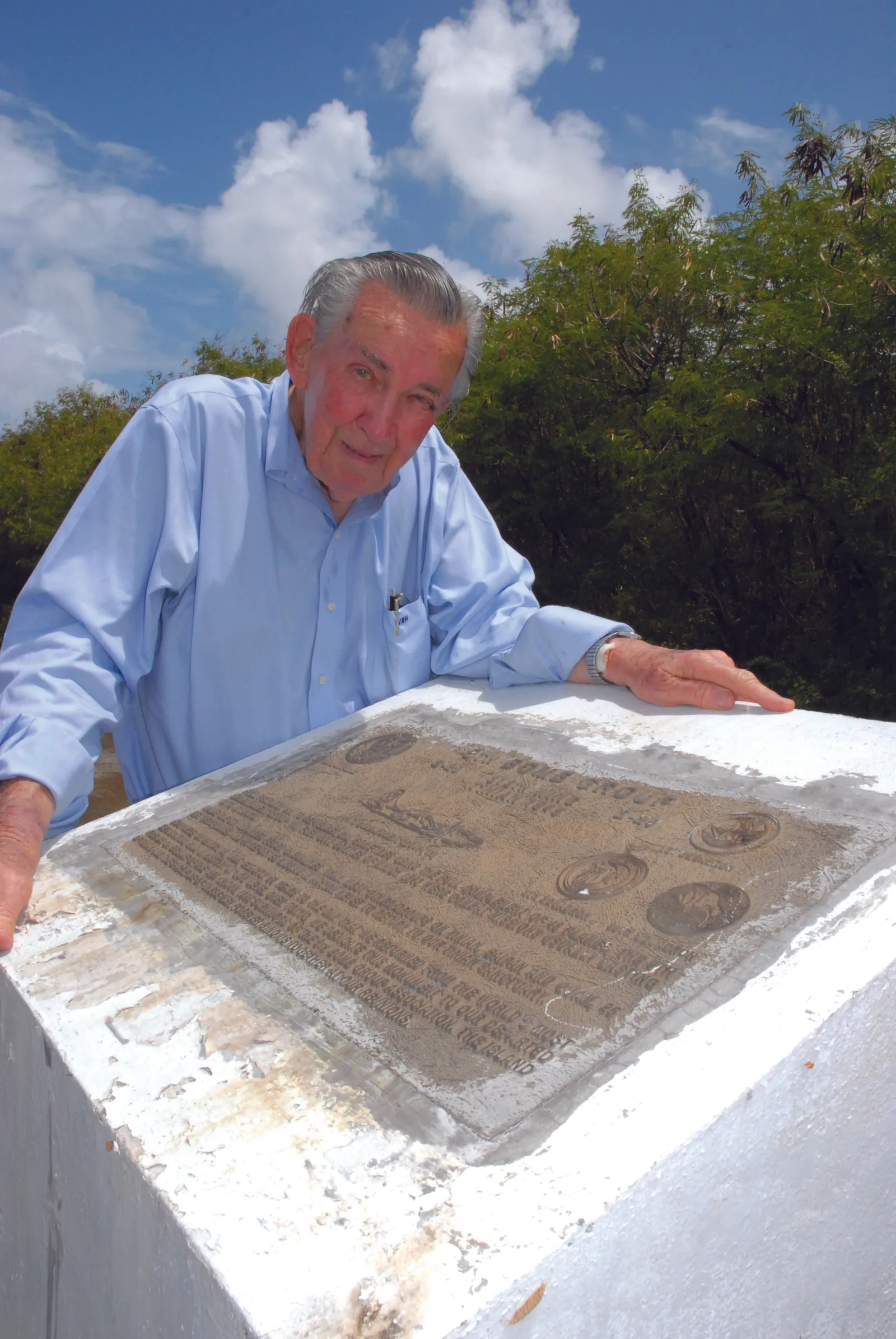
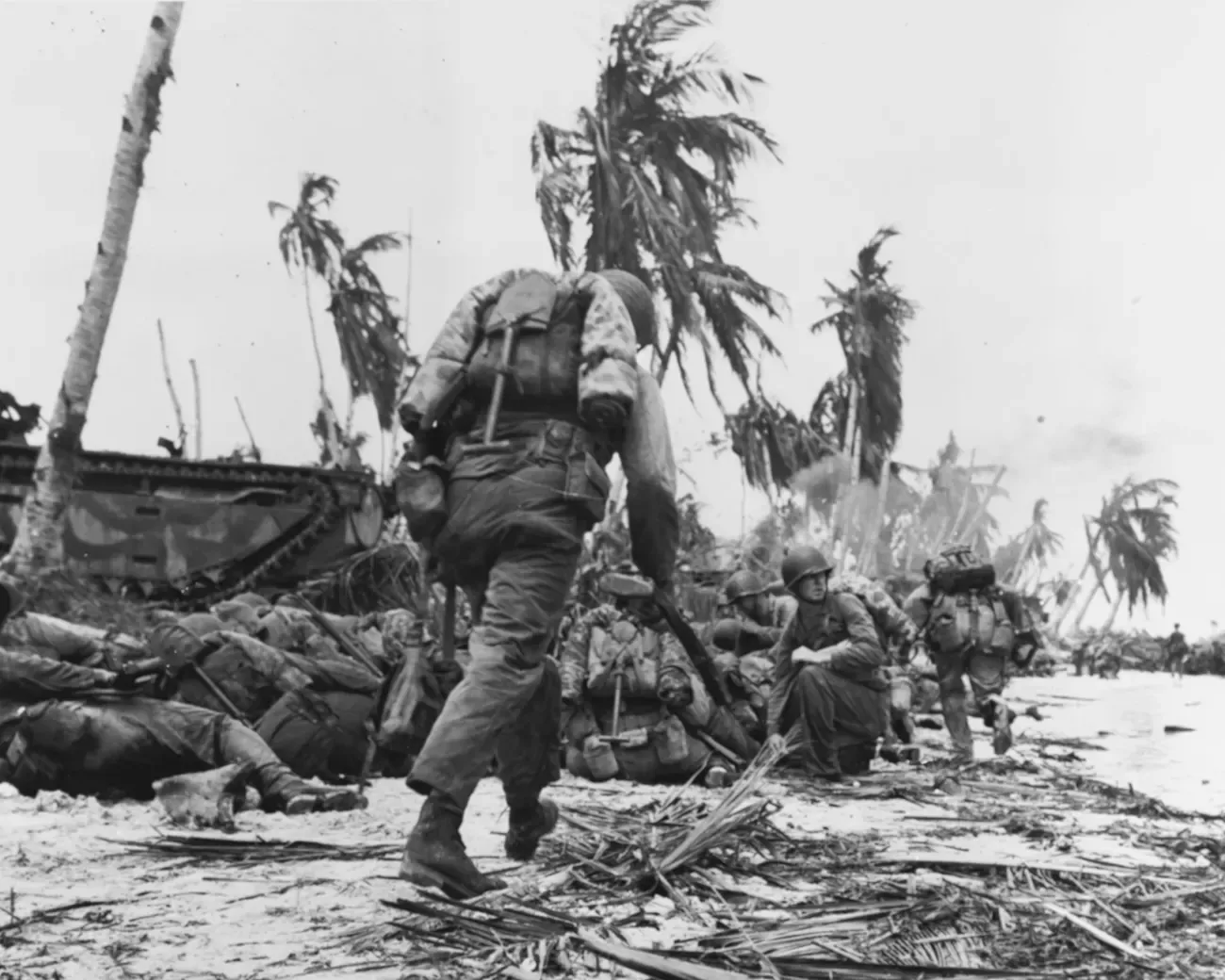
I first met Hap in 2008 at a public lecture in the amphitheater at American Memorial Park on Saipan, sitting right beside him in the rows. Whenever he returned to the island, he made a point of visiting the former Isely Airfield, where his war had begun back in 1944.
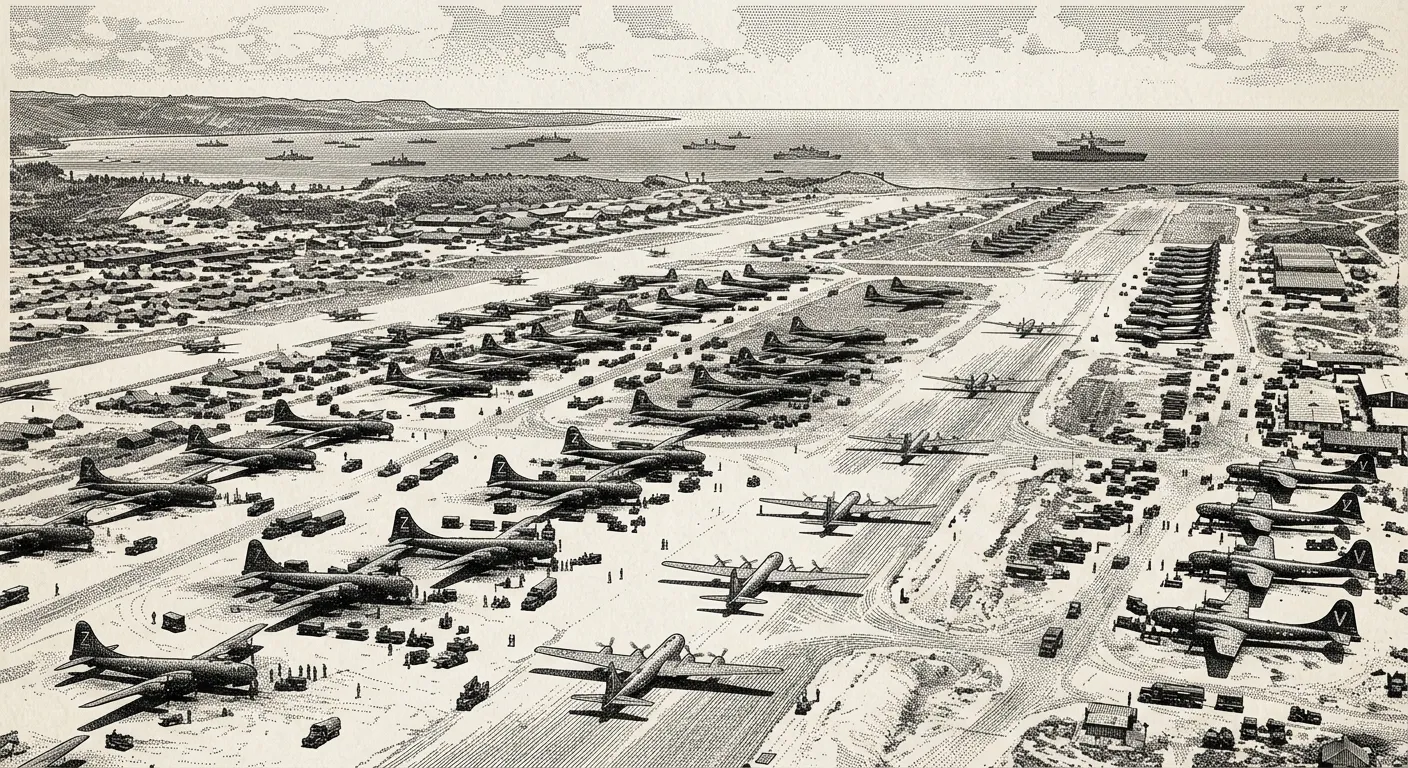
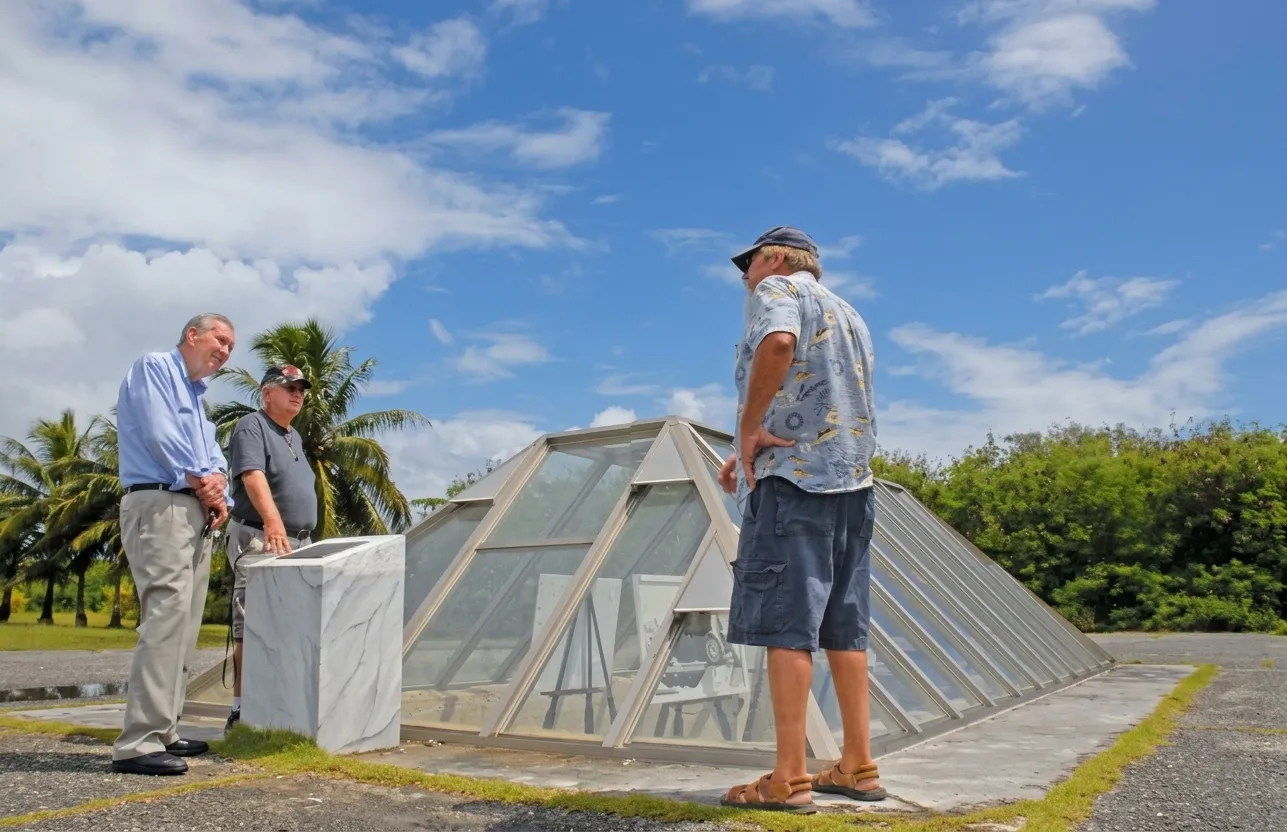
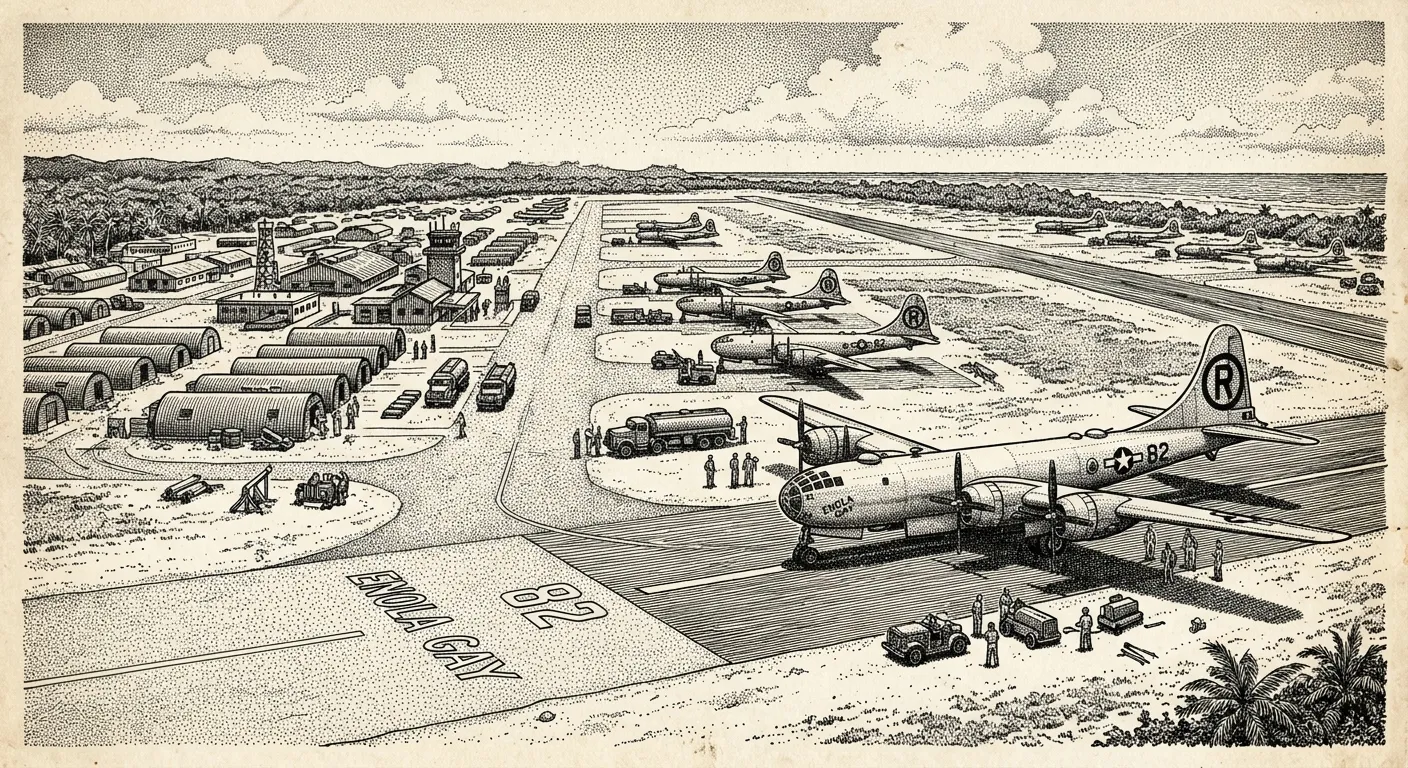
The next morning, I joined him, the historian Don Farrell, and Jerry Facey for a trip over to Tinian. I had overslept, as it happens, but Jerry called from the commuter terminal to hurry me along. Living in Koblerville, getting to the airport was a simple affair. Don picked us up on the other side and drove us through the island's old military haunts. Listening to the three of them talk of Paul Tibbets, the Enola Gay, the concrete hardstands, the Seabees, and the design of the atomic bomb pits felt like taking a front-row seat to history, served up plain and without pretense.
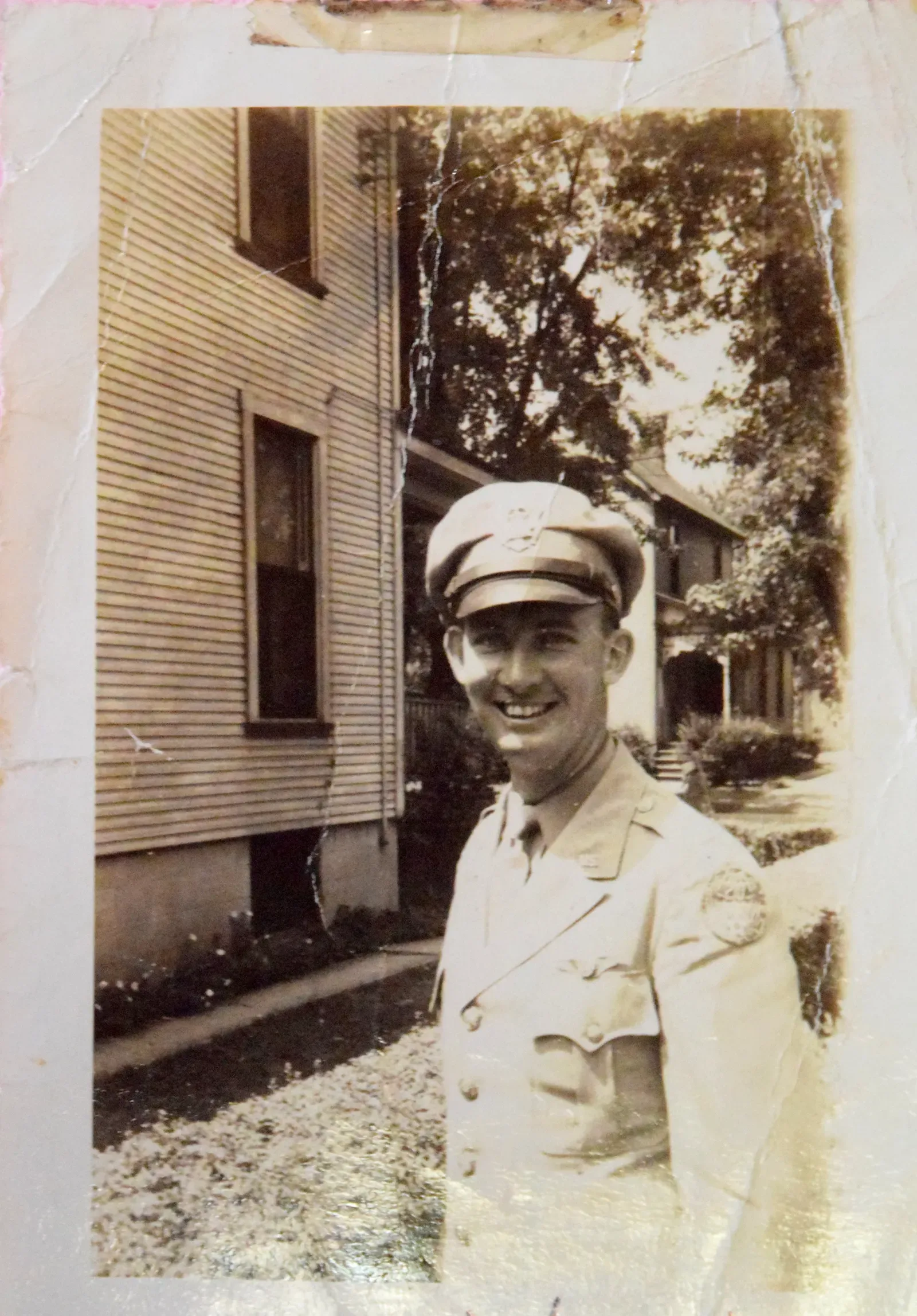
Long before he ever saw the Marianas, Hap was a boy in Ohio with his head in the clouds. He built model airplanes, suspending them from the ceiling of the bedroom he shared with his two brothers. His first flight cost him a dollar fifty for a hop to Washington, D.C., followed by a three-dollar, thirty-minute ride from Cincinnati to Dayton. When he wasn't piecing together balsa wood models, he caddied eighteen holes for fifty cents at the Ridgewood Golf Club.
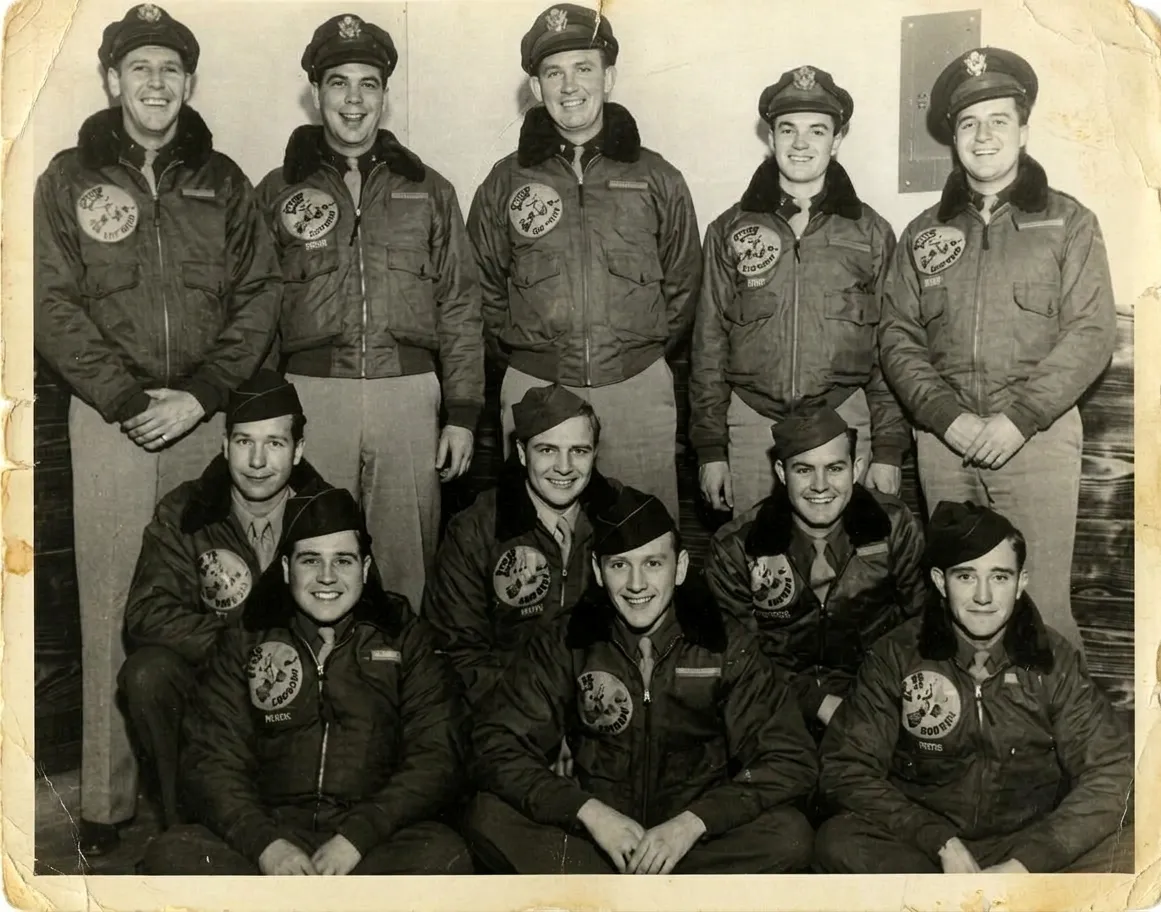
When Pearl Harbor came, Hap enlisted in the Army Air Corps in 1942 at Wright-Patterson Field in Dayton, finishing navigator training in Hondo, Texas, a year later. His B-29 crew named their aircraft the Rover Boys Express, after the comic-book racers. In 1944, they flew into Isely Field. Of those original eleven men, Hap would outlive them all.
On January 27, 1945, at thirty-two thousand feet over Mount Fuji, a Japanese Toryu fighter caught the Rover Boys Express on its way to the Nakajima Aircraft Factory. Three engines went up in flames. As freezing wind rushed through the shattered hull at fifty-eight degrees below zero, the crew scrambled to bail out. Hap, the second to last to jump, was finishing a sandwich as he stepped into space.
To avoid enemy fire, he held his drop down to three thousand feet before pulling the ripcord. As he drifted down, three Japanese planes circled. One pilot flew close enough for Hap to see him salute through the canopy.
He landed alive, but an angry mob met him on the ground with boards, iron rods, and heavy stones. Military police from the Kempei Tai took over from there, beating him with rifle butts and gagging him with strips of his own parachute. They locked him in a four-by-six-foot cage at the northern edge of the Imperial Palace in Tokyo. He spent sixty-seven days there in solitary confinement, in a darkness so thick his sight began to fail, enduring starvation, cold, and vermin. Prayer, he said later, was the only thing that kept him tethered.
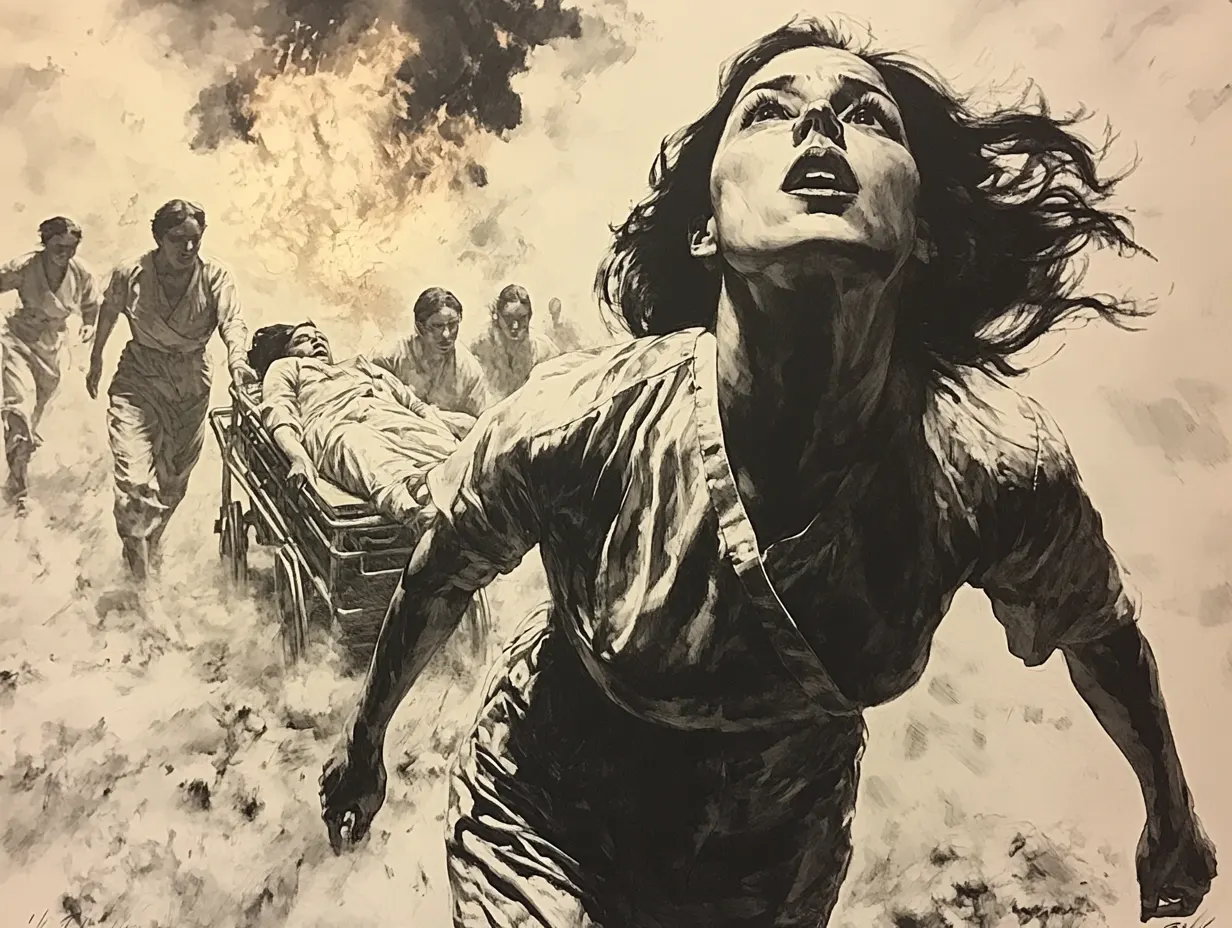
Guards eventually dragged him through the snow to a drafty horse stable alongside five other B-29 airmen. On the night of March 10, low-altitude firebombing raids struck Tokyo. Peering through a twelve-inch aperture, Hap watched the sky turn a blinding red as bombs fell for three straight hours. Part of their stable burned away in the heat.
Afterward, he was taken to the Ueno Zoo, stripped bare, and locked inside a tiger cage for crowds of civilians to view—a dismal spectacle meant to shore up morale. Covered in untreated sores, it was, he admitted, the lowest point of his life.
In April, he was moved to the Omori POW Camp in Tokyo Bay, where he reunited with his command pilot, Snuffy Smith. Both were so wasted by hunger they hardly recognized one another. There he also struck up a friendship with Pappy Boyington, which endured long after the war over quiet rounds of golf back home.
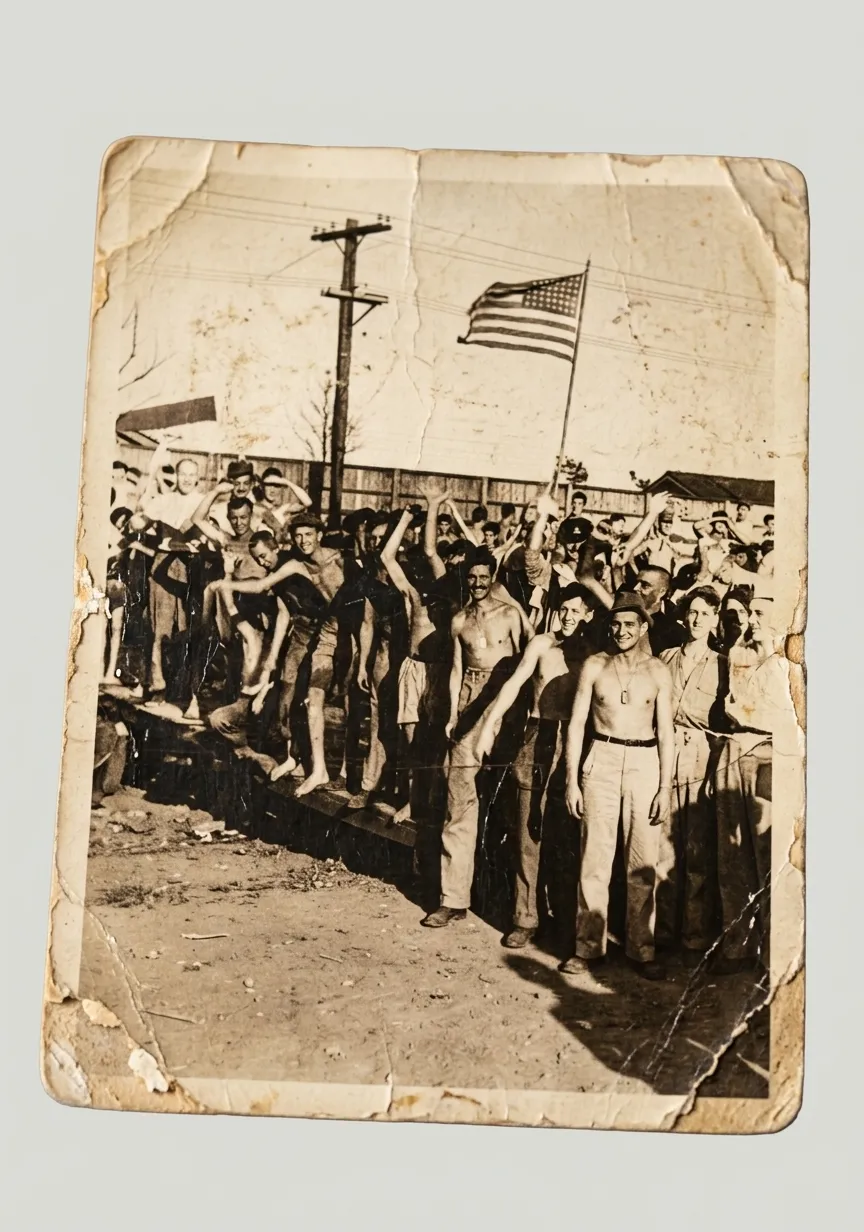
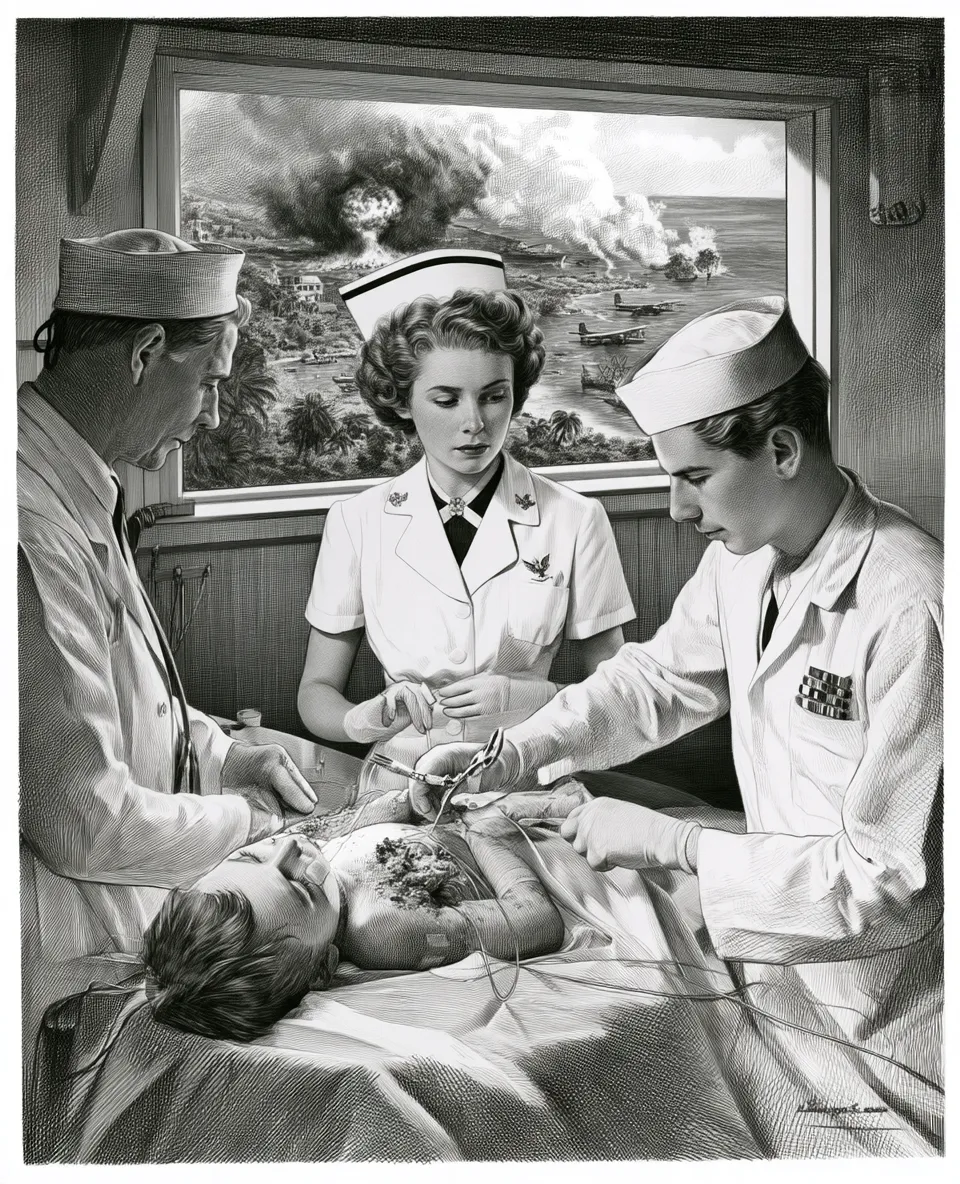
Liberation came on August 28, 1945, when U.S. Marines transferred the men to the hospital ship USS Benevolence. Clean sheets, a hot bath, and seventeen Milky Way bars in a single afternoon signaled the end of the ordeal.
Hap spent years after his discharge in 1946 living with the quiet burden of nightmares. In 1984, he chose to go back. He returned to Japan, met with former guards, and sought out the men he had once fought, turning old trauma into a long, quiet exercise in reconciliation.
Hap died peacefully in Menlo Park, California, on June 7, 2011. He was eighty-nine.
comments
00