
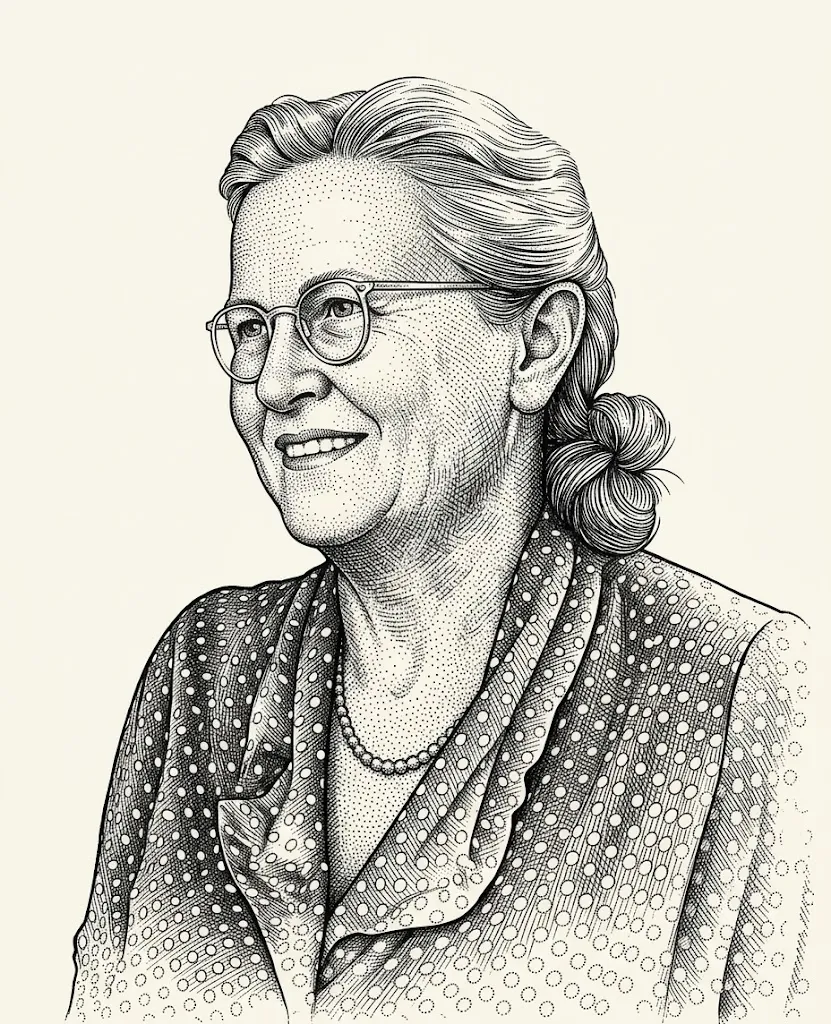
I came across Gertrude Hornbostel’s words while looking through an old issue of The Star, the monthly paper published out of the leprosarium in Carville, Louisiana.
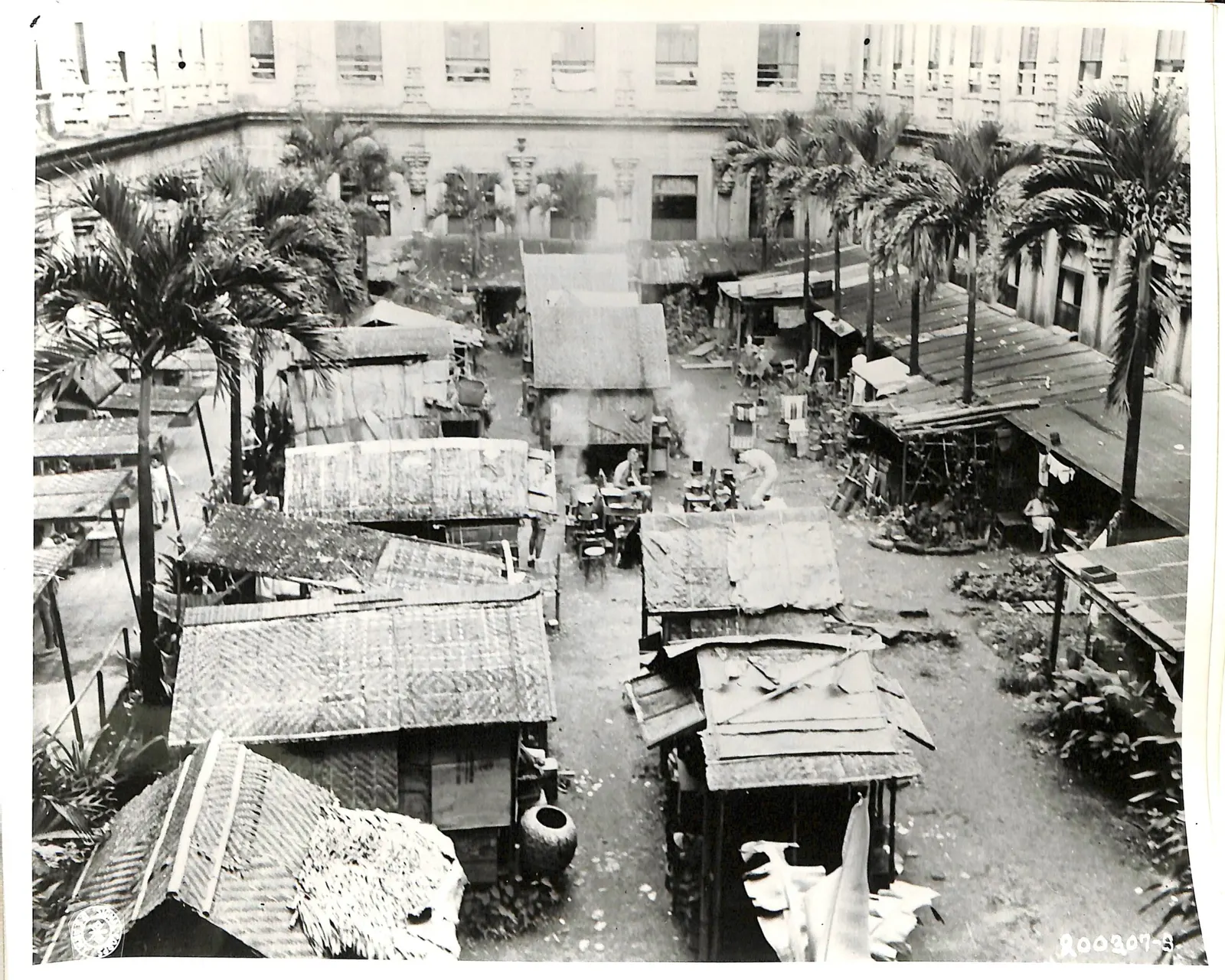
“It now seems just like a very bad dream,” she wrote, looking back on the three years she spent behind the concrete walls of the University of Santo Tomas internment camp in Manila. She went on to say that she could not regret those years entirely, having gained from them a deeper understanding of life and freedom. It is a striking thing to say about a place built for higher learning that had been turned overnight into a compound for prisoners of war.
When Japanese forces occupied Manila in early 1942, they converted the old university grounds in Sampaloc into an internment camp for foreign civilians. Gertrude was swept inside its gates along with her children: Earl, Tootsie, and Johanna. Her husband, Major Hans Hornbostel, was off in Bataan fighting with the U.S. Army at fifty-nine years old, surviving cerebral malaria while his family learned the slow work of enduring captivity.
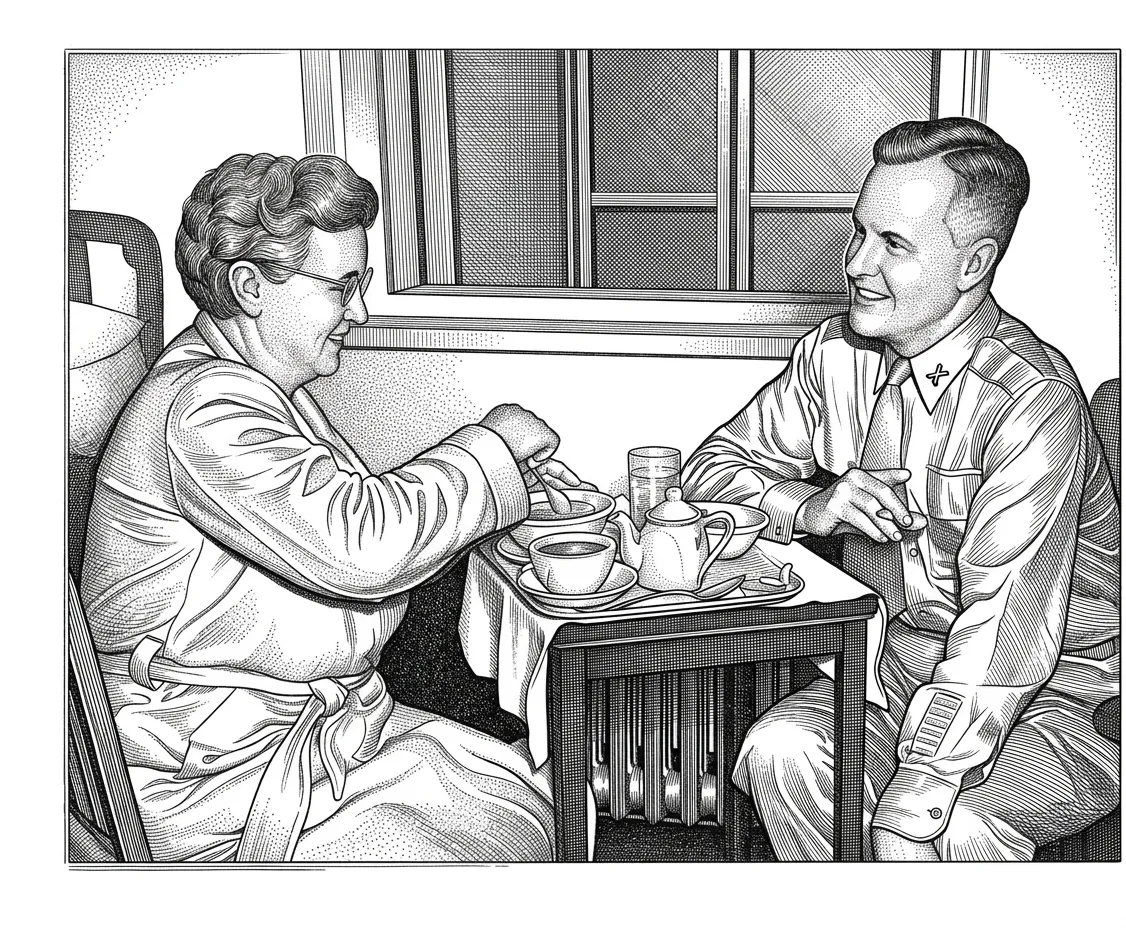
In Carville, where Gertrude went for treatment in 1946 after contracting Hansen’s disease during her internment, she had time to write. Hans moved to Louisiana to live just outside the hospital grounds, staying as close to her as the rules allowed. Their presence there turned heads in the press and helped dismantle some of the old fears surrounding the illness.
In the pages of The Star, though, her mind stayed in Manila.
She admitted that her memory of their first Christmas in Santo Tomas in 1942 was vague. Trauma has a habit of dulling the calendar. As the war dragged on, rations dwindled to meager bowls of rice, ankles swelled with beriberi, and the Kempeitai arrested her son Earl on suspicion of helping the resistance. In late 1943, her daughter Johanna was moved to the secondary camp at Los Baños. The family was split apart and scattered across the islands.
Yet Gertrude’s account does not dwell on the hardship. She wrote of small acts of generosity, shared meals, and the stubborn instinct people have to build a life out of whatever ground they are given. Physical suffering is a simple fact of history, but the capacity to extract a little quiet wisdom from three lost years is something else entirely.

comments
00