
I was working on Saipan, filing dispatch stories for Marianas Variety on US military buildup and role in the region, local business, and the endless arithmetic of the pension fund. Occasionally, our pieces crossed the water to appear in the Guam Daily Post. With the anniversary of Guam’s 1944 liberation approaching, I found myself leafing through the running wartime log of Admiral Chester Nimitz—a document known simply as the Gray Book.
To read the Gray Book is to view a tempest through the lens of a barometer. The entries are dispassionate, measured, and stripped of sentiment. Yet, behind the crisp tally of sorties and tonnage, you can hear the rumble of the Pacific transforming.
By mid-July 1944, with Saipan largely secured, the American apparatus turned its gaze toward Guam. The prelude was not a sudden strike, but a methodical, unrelenting rhythm. On July 16, Task Group 58.2 flew 74 sorties over the island, dropping 28 tons of explosives, 24 rockets, and 20 incendiary clusters. Nimitz noted the day’s work produced “excellent results” with negligible opposition, adding with characteristic brevity, “We lost one plane but pilot and crew were saved.”
Underneath that aerial curtain, men on the water approached the jagged edges of the island. On July 15, a reconnaissance run along the southern reef drew sharp fire from Japanese shore batteries. One officer was killed; five men were wounded. In response, battleship guns cleared the roost at Bangi Point, while landing craft fired rockets into the tree lines. The divers noted that coral heads choked the approach to the landing zones south of Orote Peninsula—obstacles that would have to be cleared, piece by bloody piece, under relentless cover fire.
By July 18, the convergence was complete. Task Force 58 assembled off the coast, sending over a thousand sorties into the island’s defensive perimeter in a single day, raining 400 tons of bombs onto the hillsides. The island, long isolated, was enveloped in continuous smoke and dust.
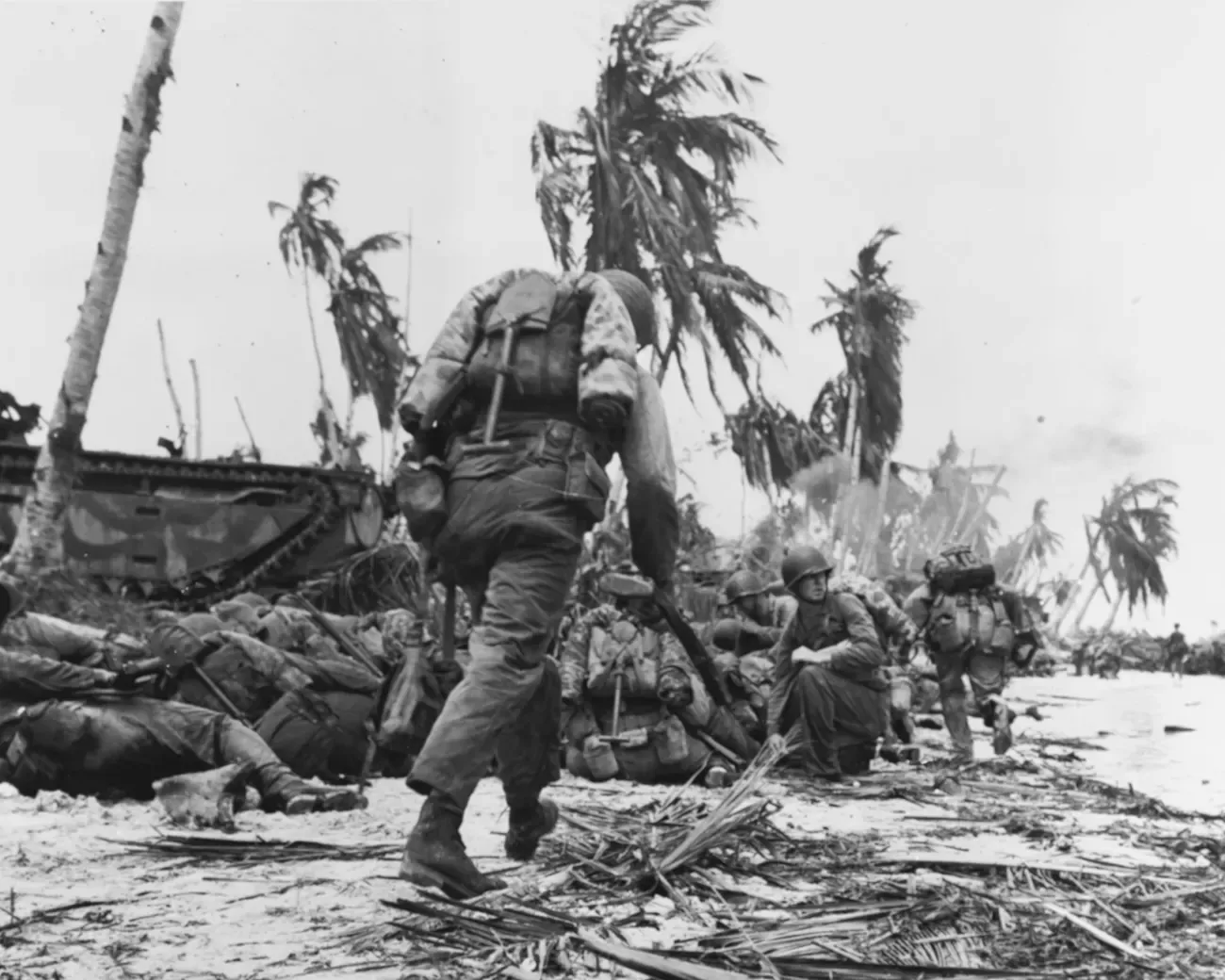
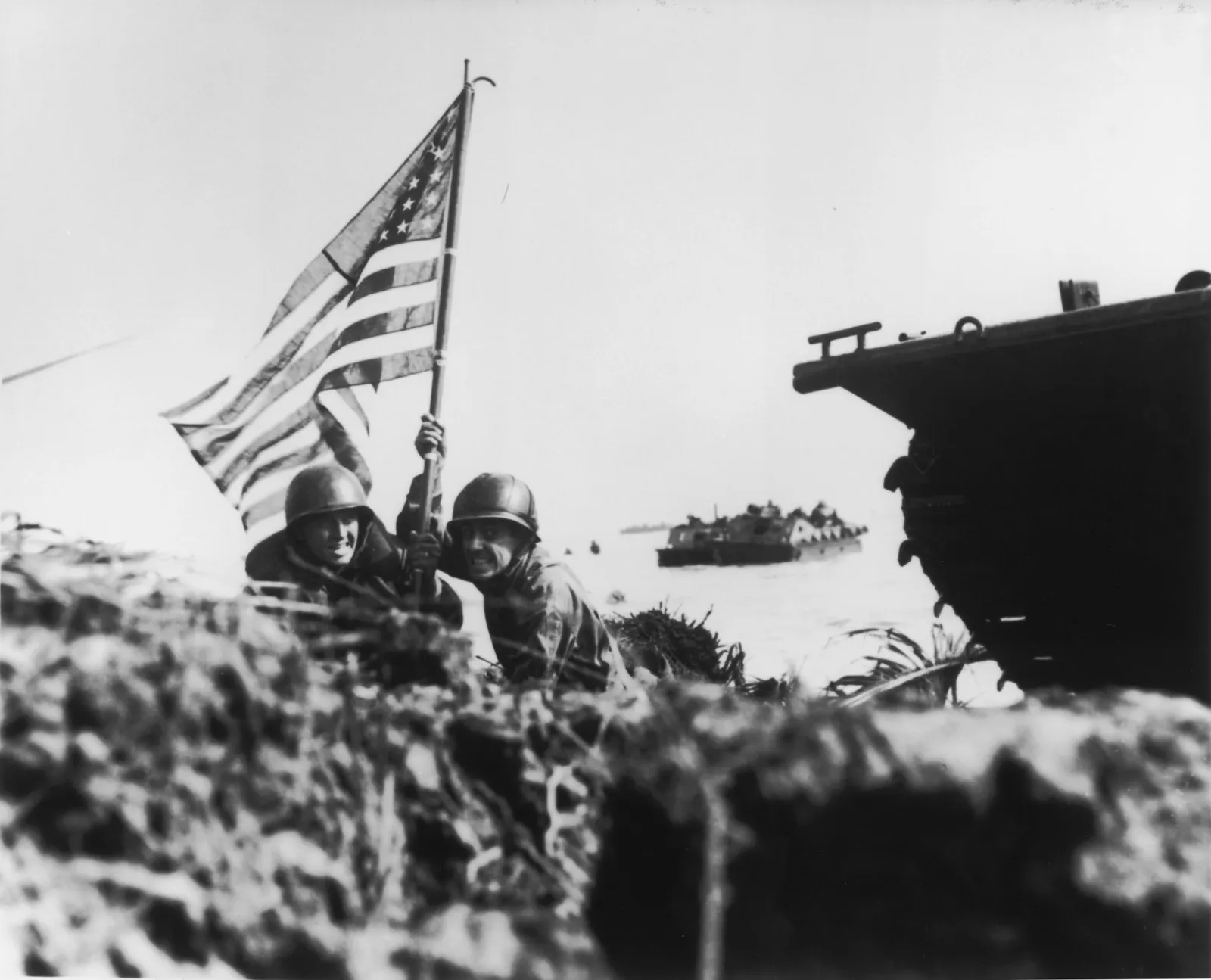
On July 21, at 8:30 in the morning, the landings began. The 1st Marine Division went ashore on the beaches at Asan, while the 1st Marine Provisional Brigade and the 77th Infantry Division struck the sands at Agat. Nimitz recorded that the initial assault units landed with “absolute precision,” though the calm on the beaches was short-lived. As troops pushed inland toward the high ground, opposition stiffened.
By nightfall, naval support ships maintained a steady cadence of illumination flares and harassing fire to keep Japanese artillery from regrouping in the dark. Supplies were dragged across the shallow, treacherous reefs to sustain the beachheads.
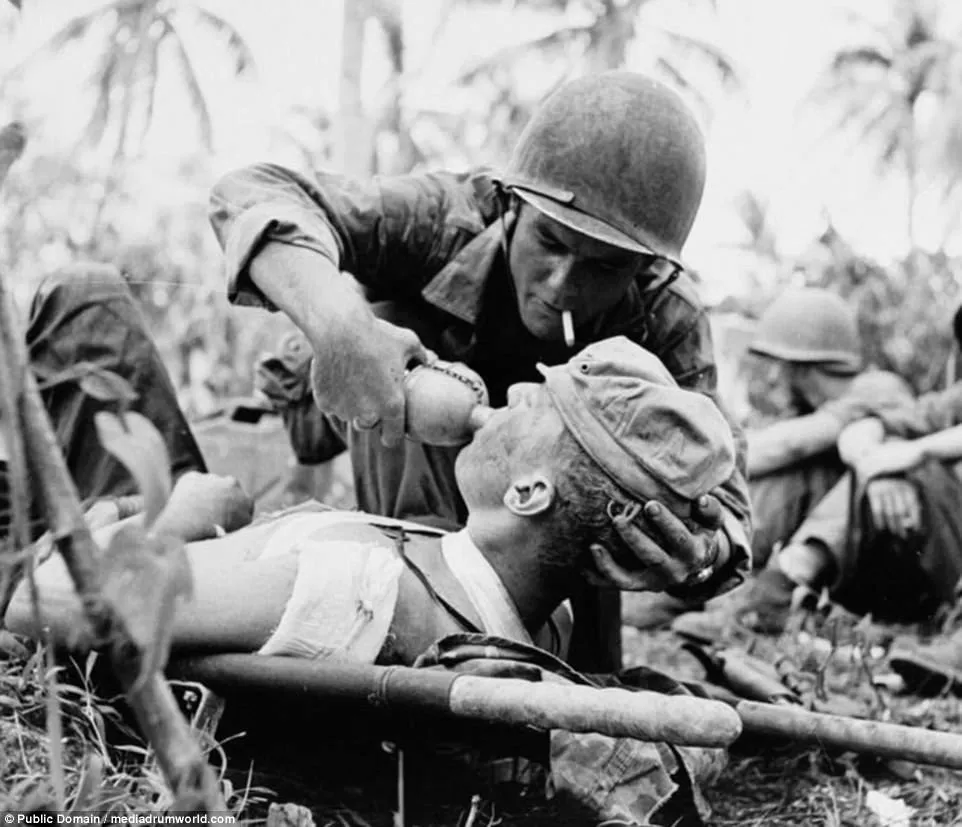
The days that followed were marked by the slow, painful arithmetic of island warfare. On July 23, American forces secured the road from Agana to Piti and gained a foothold on Mount Tenjo. By 4:00 that afternoon, the casualty ledgers reflected the cost: 348 Americans killed, 1,500 wounded, and 110 missing. Across the lines, nearly a thousand Japanese dead were counted, with many more buried in the debris.
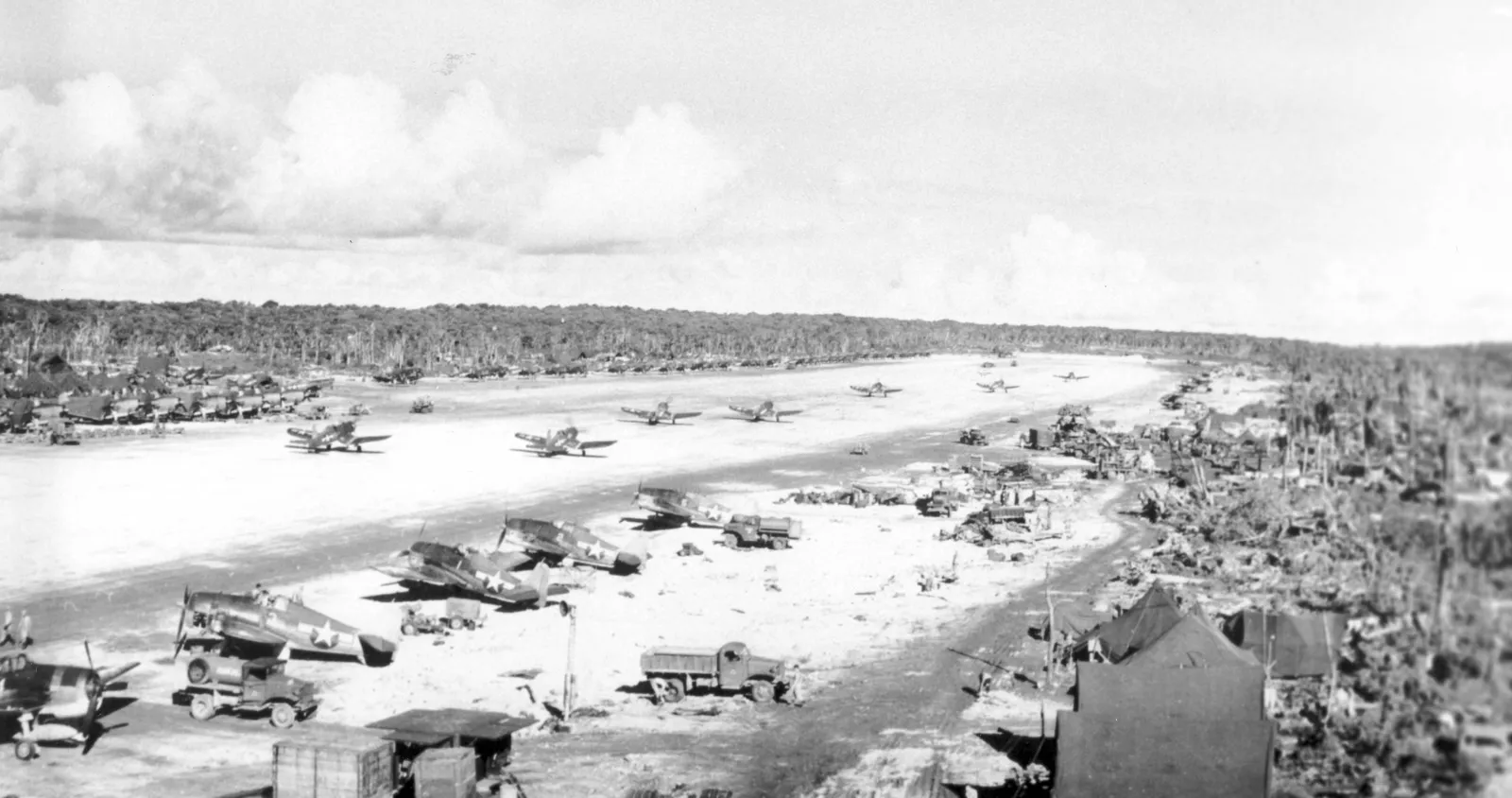
By July 26, after a desperate, failed counteroffensive by Japanese forces at Orote Peninsula, the American death toll had risen to 587. Three days later, Orote was declared secure, its airfield cleared so engineers could begin restoring the landing strips. By the end of July, the American losses stood at 948 killed, over half of them Marines who had taken the ridges at Asan.
Reading these entries decades later, far removed from the smoke of July 1944, one is struck by how neatly history settles onto paper. A fleet of hundreds of ships, thousands of young lives, and the fate of an island are rendered in neat columns of sorties, coordinates, and casualty counts. But between those typed lines lies the true memory of the island—a reminder that liberation was ultimately paid for in coral, iron, and blood.
comments
00