Fr. Francis Hezel, a long-time observer of Micronesian life, once set out to measure the high price paid when the Chamorros met Catholicism. It was a dark, restless time, remembered now as the Chamorro-Spanish wars.
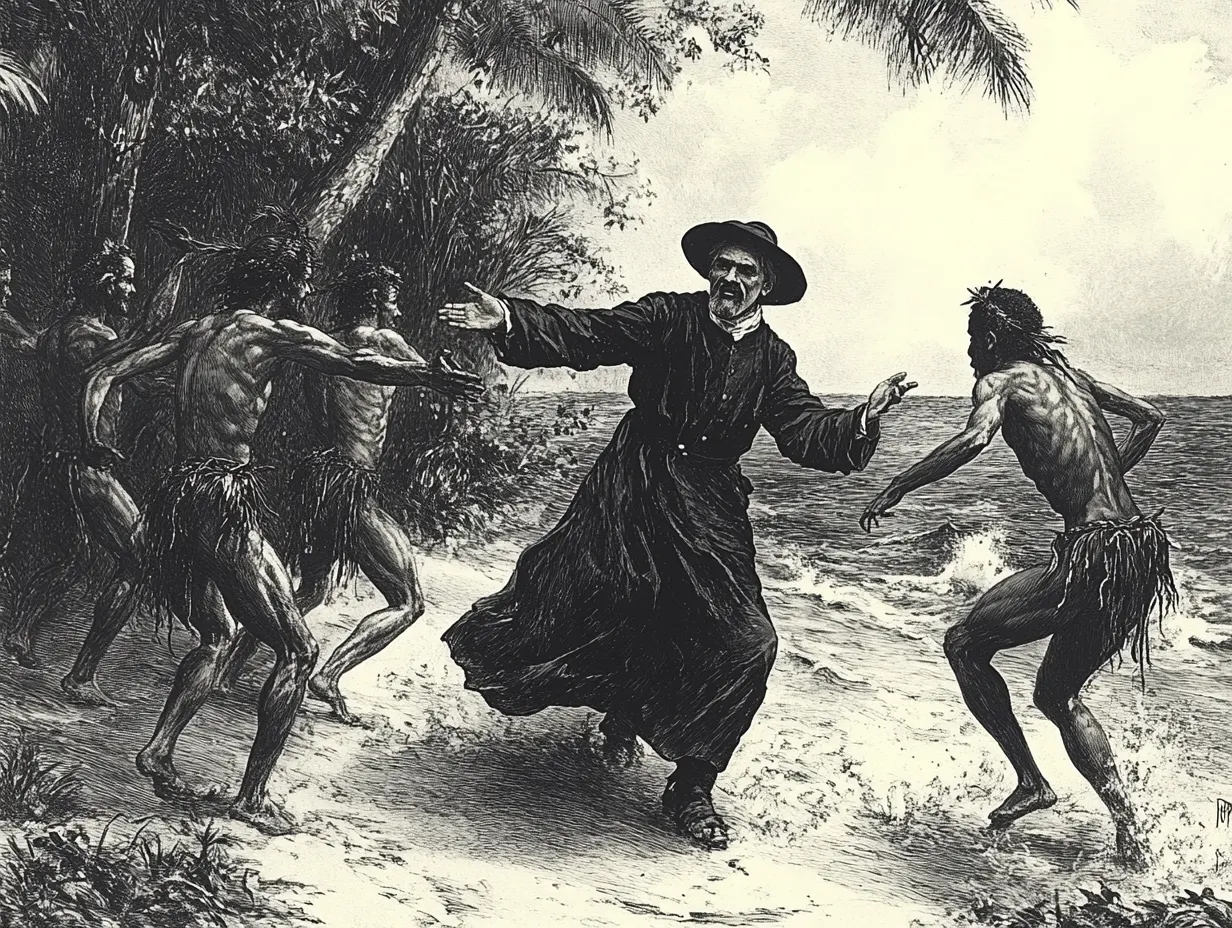
Speaking a few years back on Saipan, in a lecture titled “The Founding of the Church in the Marianas: A Clash of Cultures,” Fr. Hezel traced the misunderstandings that eventually flared into war. The talk, hosted by the local diocese and the Northern Marianas Humanities Council, looked back to the arrival of Fr. San Vitores in Hagåtña. Trouble began almost at once—just two months in—fueled by a rumor that holy water was poisonous. The story was spread by a Chinese castaway named Choco, whose word carried weight among the islanders.
From there, suspicion grew into open quarrel. Sacred artifacts were broken and local shrines torn down, each act a small blow against indigenous life in the name of a new faith.
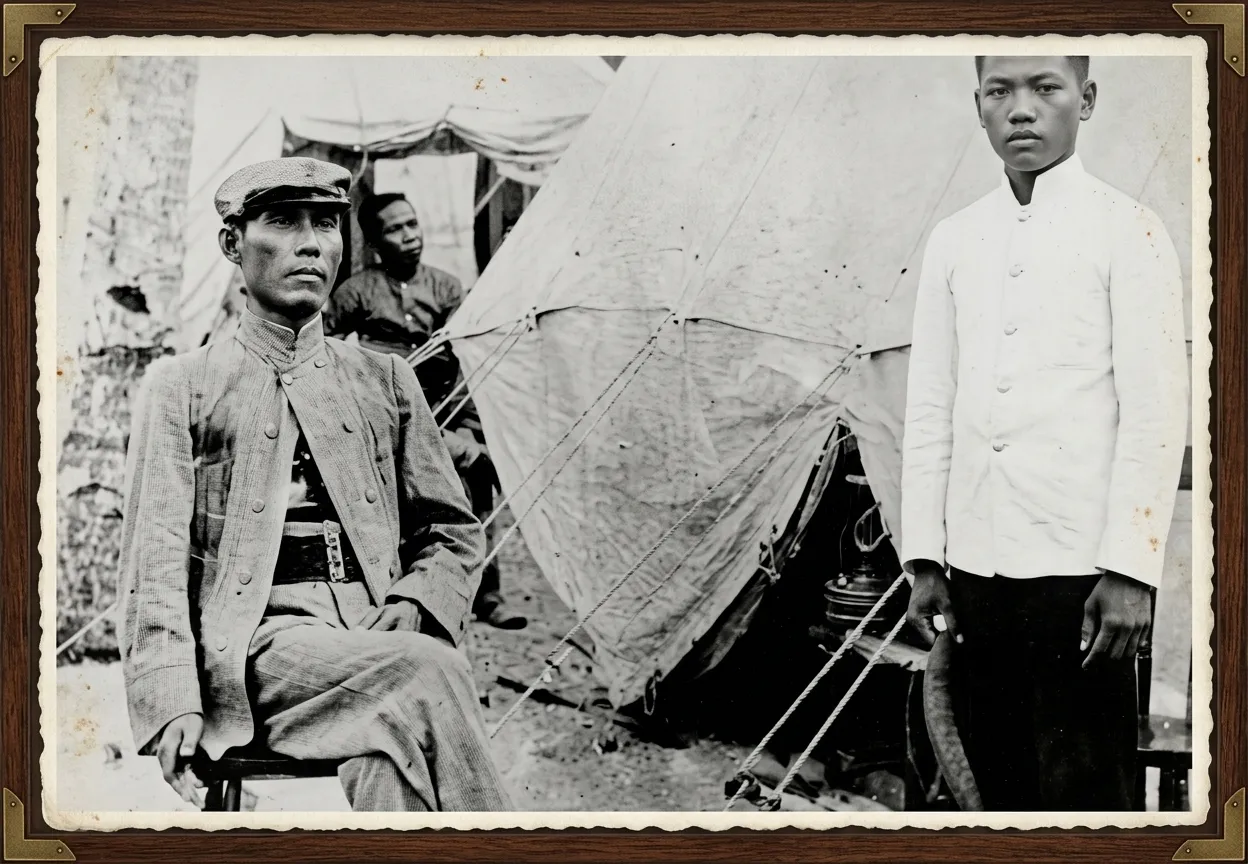
The violence that followed took the lives of Fr. San Vitores and Pedro Calungsod, a young Filipino layperson now counted among the saints. Yet as Fr. Hezel pointed out, this was no simple war of two opposing sides. The island was fragmented, its villages ruled by individual chieftains rather than a single chief, and the combatants were a mixed gathering of Spaniards, Mexicans, Filipinos, and islanders.
Fr. San Vitores had hoped for peaceful conversion, but discord proved stronger. In the end, the encounter left a mark on the Marianas that time has not erased—a quiet reminder of how easily faith, tradition, and conquest can tangle.
comments
00