
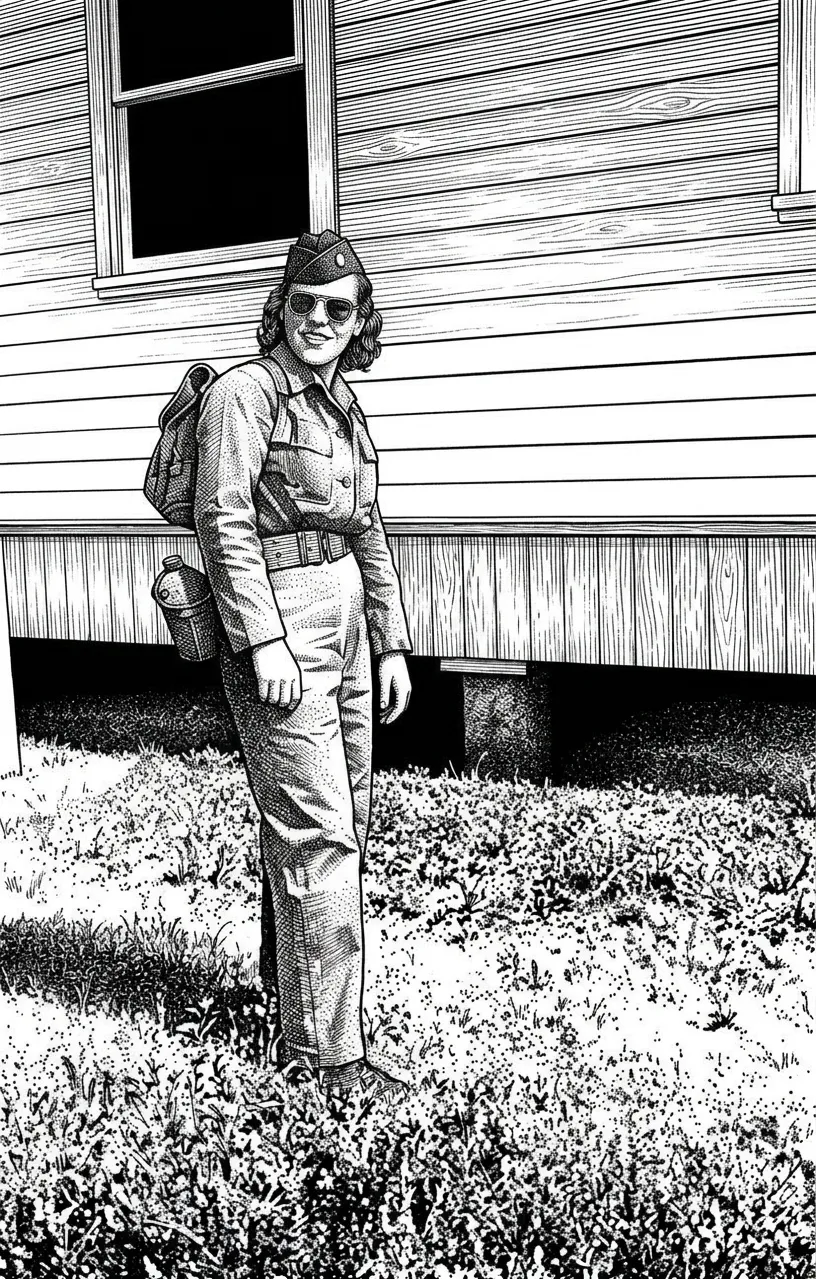
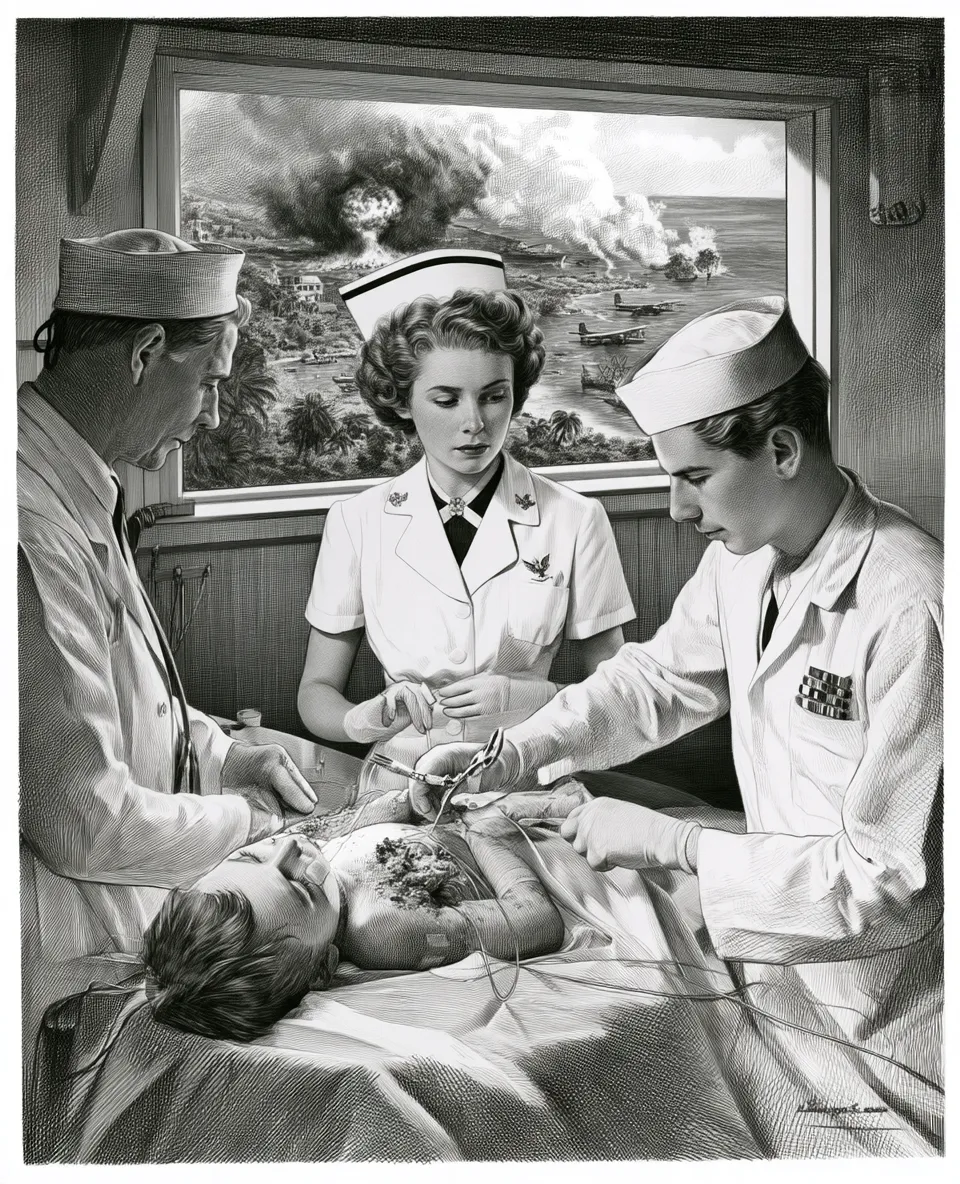
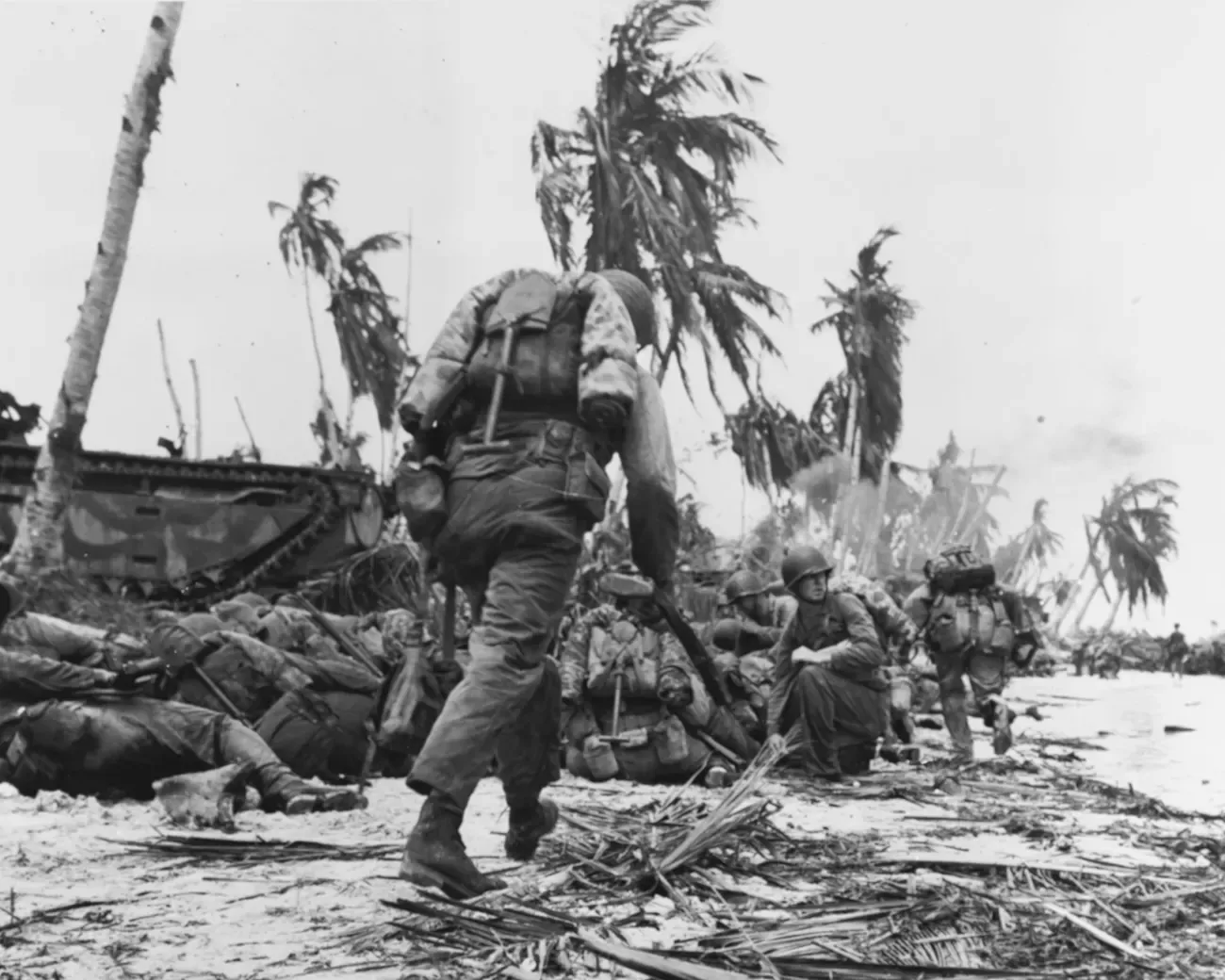
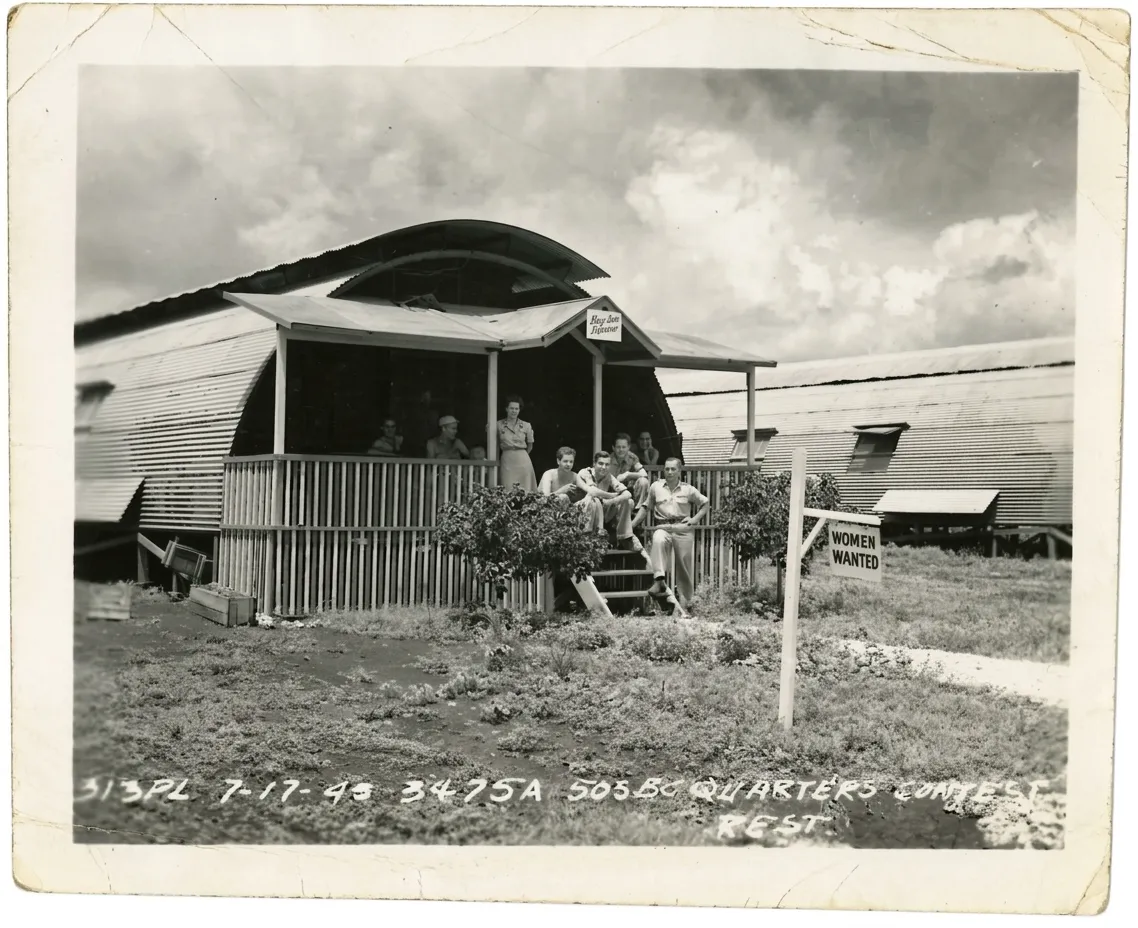
Imogene "Jean" Speegle came out of Hayden, Alabama, trained as a physical therapist and willing to serve. When the world went to war, she joined the Women’s Auxiliary Army Corps and sailed for the Pacific, where islands were being cleared and makeshift hospitals built under a heavy sun. On Tinian, Saipan, and Guam, she helped raise medical wards out of the red dirt, tending to men broken in body and spirit.
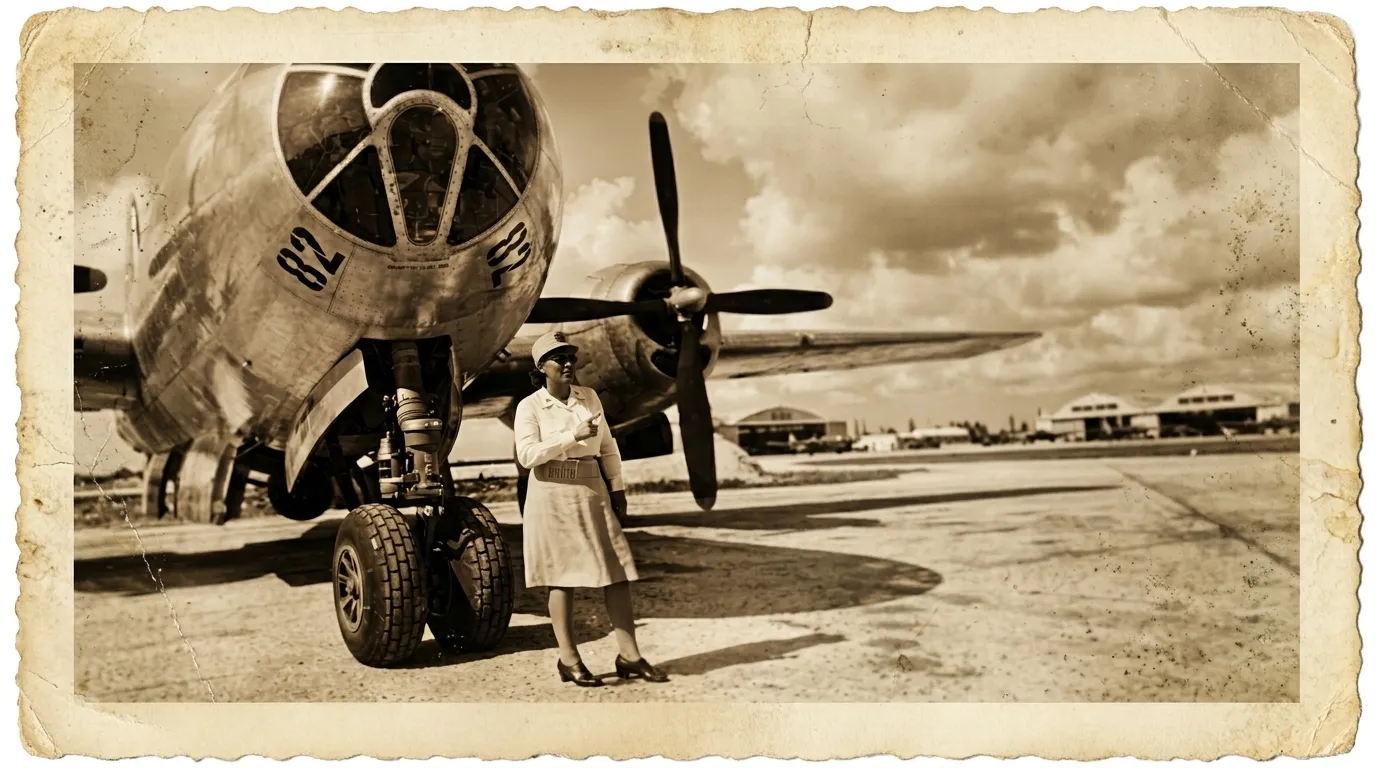
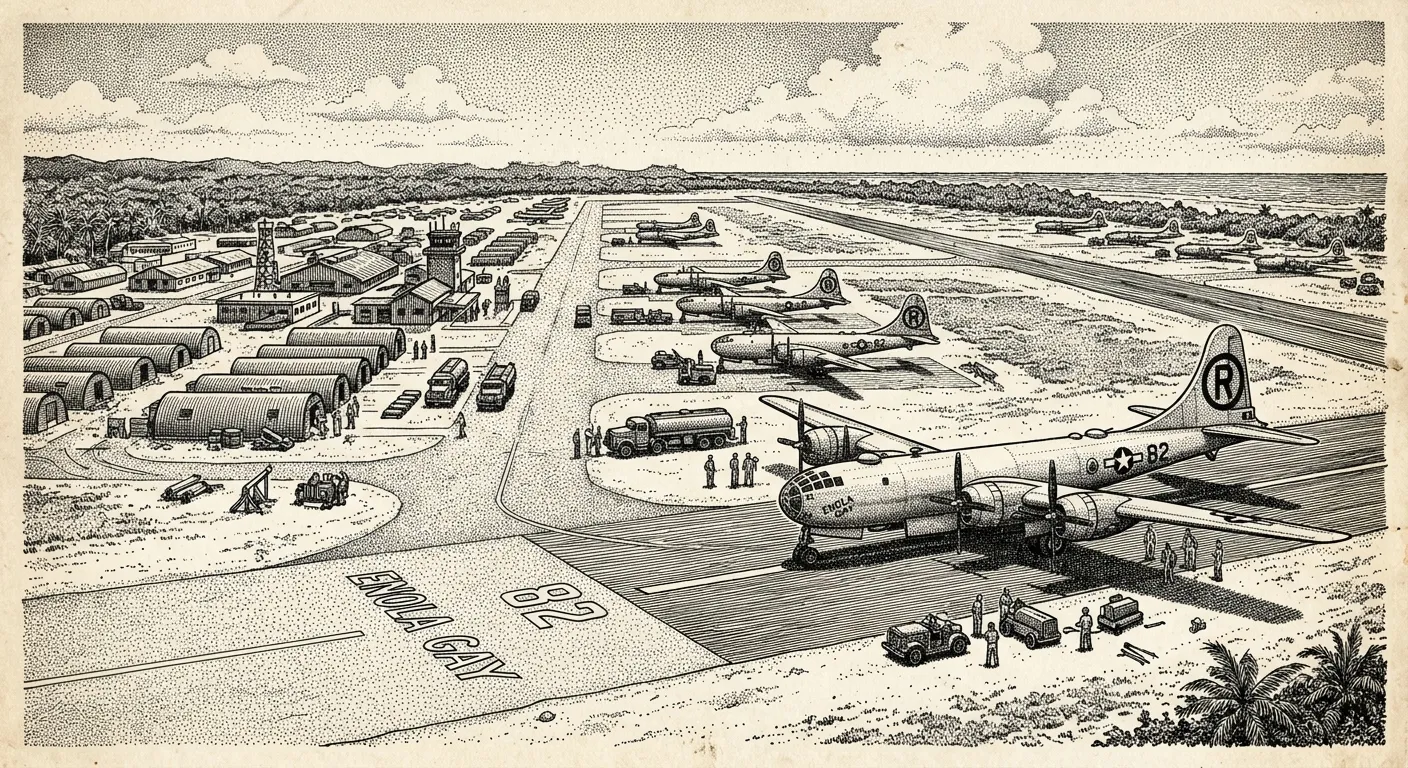
One day in August, on the tarmac at Tinian, she stood close by a silver B-29 named the Enola Gay. The mission was wrapped in absolute silence; no one spoke of what was loaded into the plane's belly, only that it might end the long, bitter struggle. Hours later, Colonel Paul Tibbets flew northward into history, and the war was changed forever.
When the fighting ceased, Jean went on to Tokyo during the occupation, still nursing the sick—this time through a quiet epidemic of polio. There, among the quiet ruins and rebuilding of Japan, she met Alfred Lit, a clinical psychologist. They fell in love, returned home to marry, and eventually settled down to a long, peaceful life in the farmland of Southern Illinois.
Years passed, as they always do. On a warm afternoon in 2011, a neighbor drove Jean to a local airport, where a restored B-29 sat resting on the runway. Looking up at the great metal bird, the old days returned to her all at once. She was grateful to still be here to see it, long after so many of her comrades had departed. She died peacefully in her home in Murphysboro at ninety-six, leaving behind a simple reminder to those who followed: to be glad for what you have, and to remember the quiet grace of serving others.


comments
00