Who would have thought that learning Japanese as a boy growing up in East Los Angeles would prove to be the essential asset in Guy Gabaldon’s back pocket when he landed on Saipan in 1944? Life has a curious way of preparing us for things we cannot possibly anticipate, arranging small, scattered pieces of an early life until they suddenly fit together under the violent pressures of history.
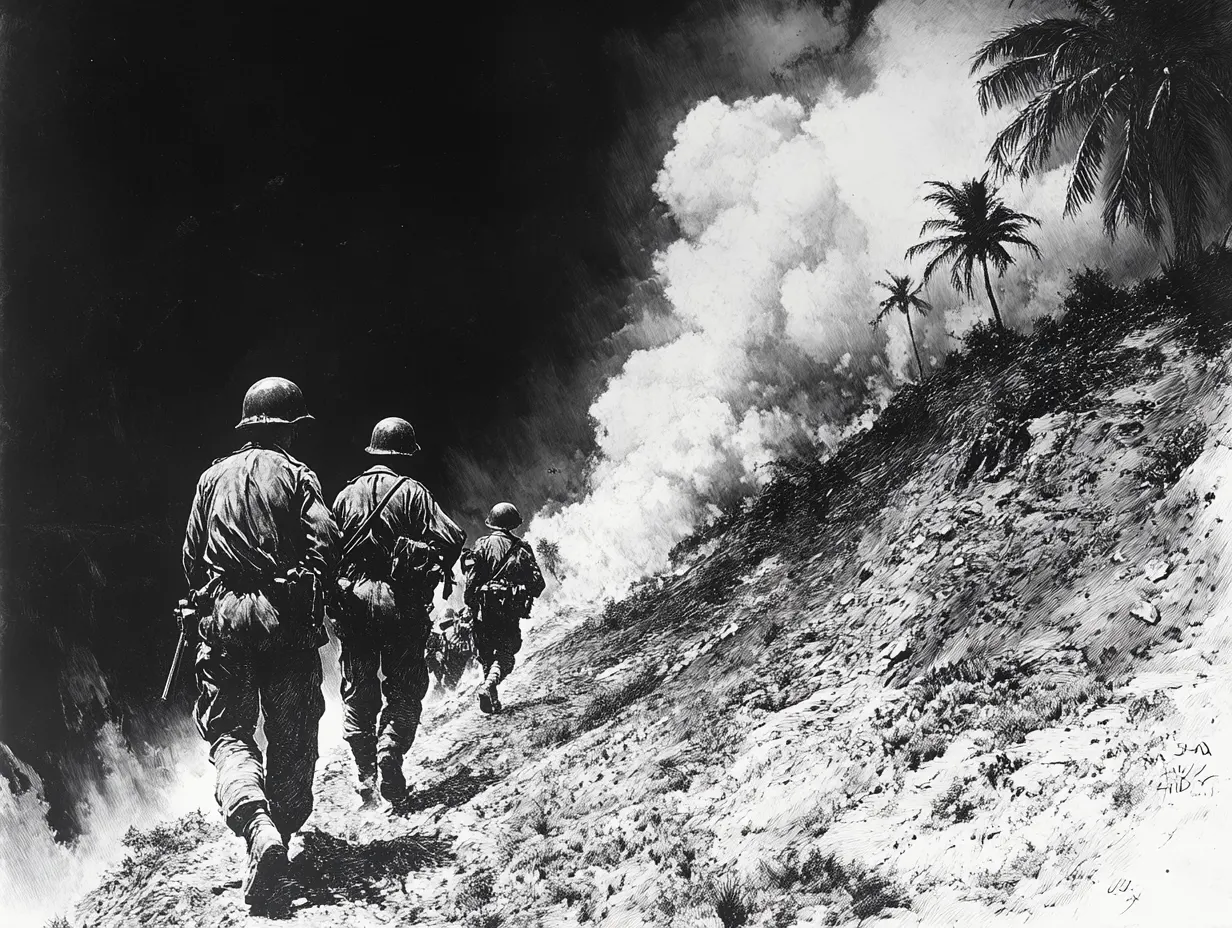
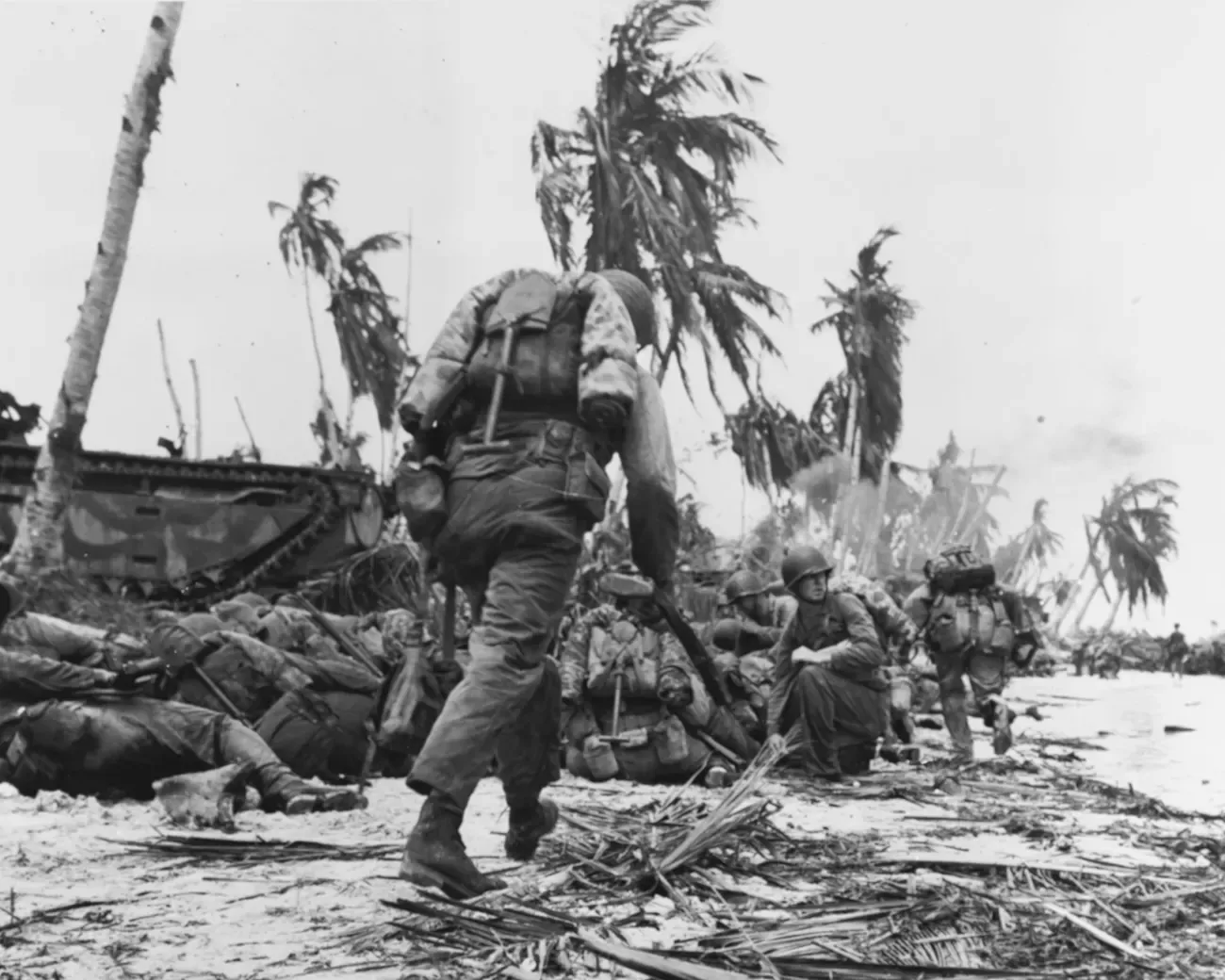
Guy was seventeen when he enlisted in the Marines. He was small, sharp-witted, and spoke the casual, daily Japanese of his neighborhood friends. On Saipan, that language—spoken not from a military handbook, but with the familiar cadence of home—became a bridge across an abyss. Walking into the dark jungles and dark caves alone, he talked more than fifteen hundred Japanese soldiers and terrified civilians into stepping out into the light. They called him the Pied Piper of Saipan.
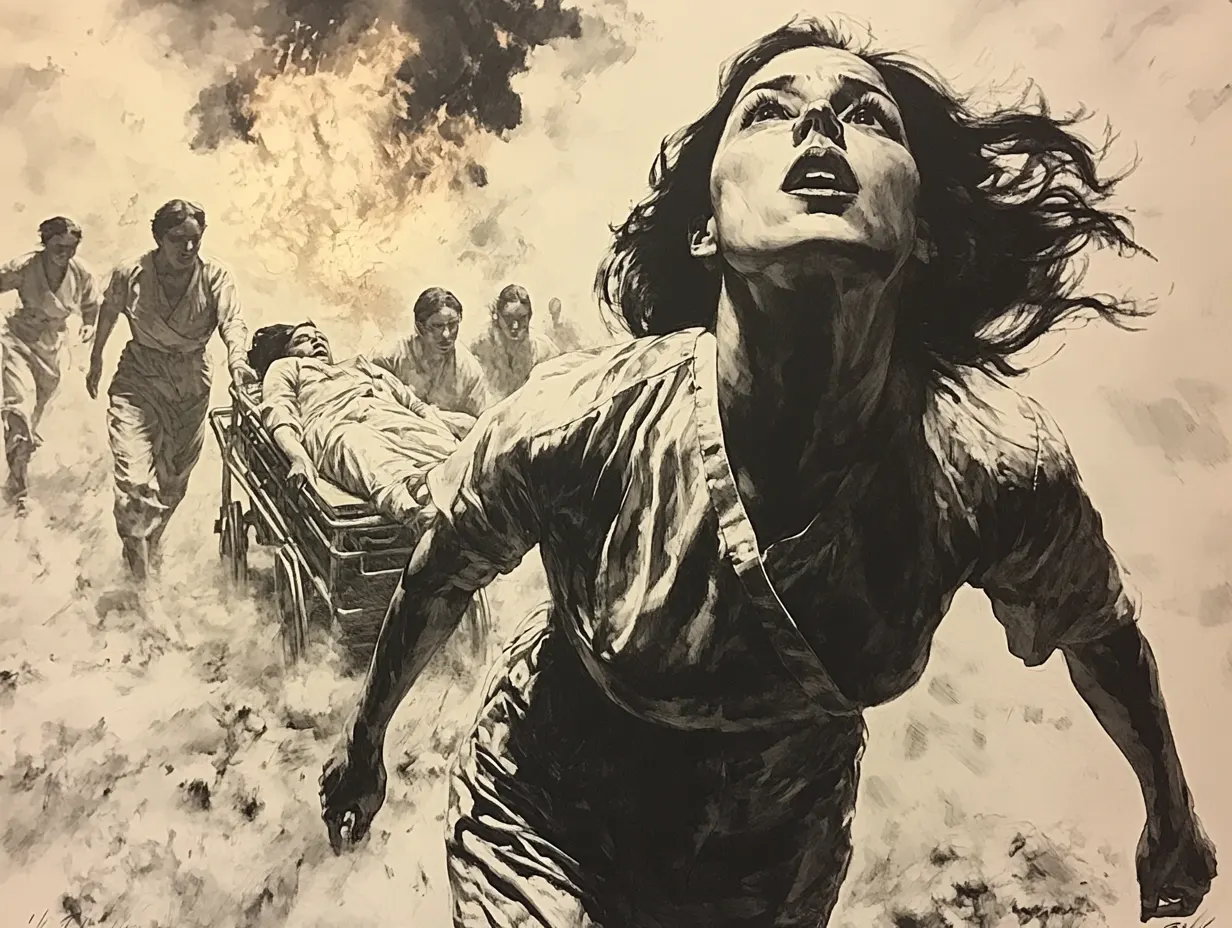
He saw the worst of the war—the women holding their children and jumping from the high, sheer cliffs of Marpi because they had believed the propaganda of fear. He saved many, but the ones he couldn't save stayed with him. War does something strange to a man’s internal geography; it fastens him forever to the ground where he saw life and death stripped down to their rawest elements. For Gabaldon, that ground was Saipan. Though Hollywood later tried to frame his life in dramatic celluloid and newsprint, he didn't care much for big talk. He simply came back. He brought his family, made a life on the island, and stayed for two decades, living unassumingly under the shadow of Mount Tapochau.
When word came in late August of 2006 that Gabaldon had passed away in Florida at the age of eighty, his remains were flown back home.
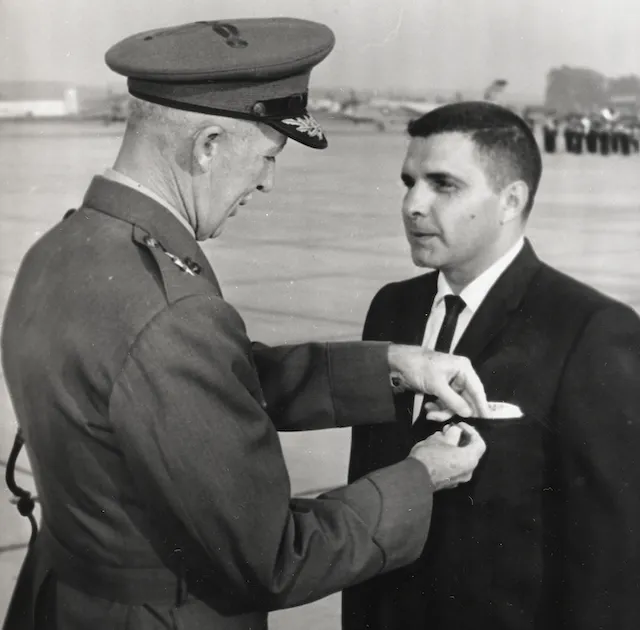
In a newsroom, you see history arrive in fragments—press releases, official statements, flight schedules, and black-and-white photographs. But when you stand in the presence of a family, history softens into something deeply personal. Meeting his wife and his son, Josh, I was struck by a sudden, enduring reverence. There is a rare grace to the families who carry the living memory of World War II, holding the steadfast dignity of a generation that asked for so little in return.
Two decades have passed since that day, and while specific details fade like ink on newsprint, the overarching warmth of those days remains clear. Saipan and the whole CNMI community are a veteran community in the truest sense—a place where service is a shared inheritance, written into family trees where so many of the islands’ own sons and daughters have put on the uniform. Because of that, the Gabaldons were not treated as figures out of a history textbook or visiting dignitaries; they were loved. They had deep roots and many friends there—people who remembered Guy not just as the legendary Marine, but as a neighbor who walked the same roads and breathed the same salt air.
They took his ashes up to the top of Mount Tapochau and scattered them into the trade winds. He had returned. He was finally home, and at peace.
comments
00