
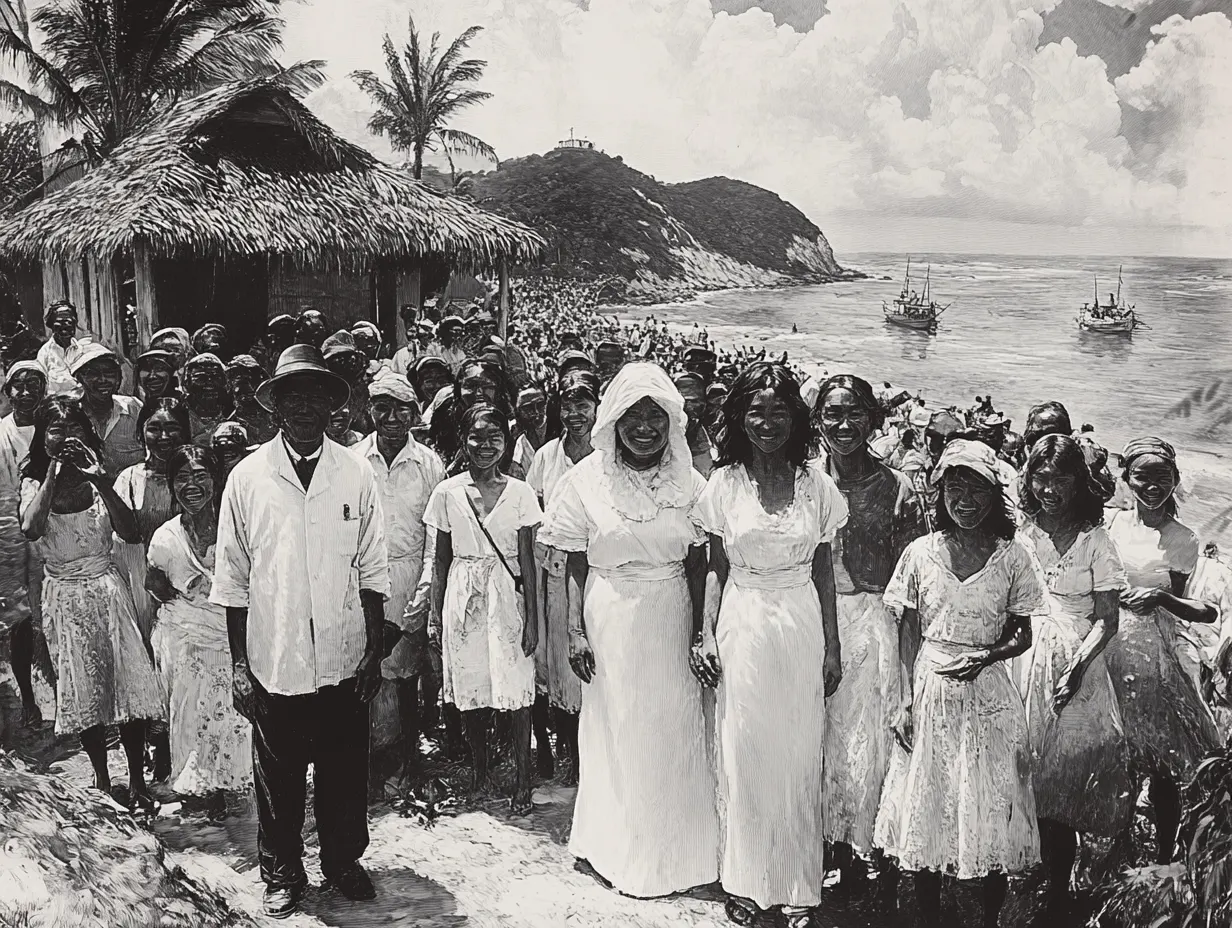
I was with a few visiting reporters from Kyodo News when I met her. They became my translators, having first crossed paths with these former islanders at an event overlooking LaoLao Bay. It was a quiet, heavy gathering. One could hardly miss the weight in the room. To be born to a piece of earth, to grow up knowing its dirt and shoreline, and then to be bundled off because a war is coming—that is a hard thing for a child to hold. The people who assembled at the resort that day had been those very children. They had spent a lifetime longing for the island they left in a hurry, departing before they could say a proper goodbye to the fathers and brothers left behind to dig into the rock.
Among them was Imako Saito, seventy-nine years old, from Tokyo. She had come back on a pilgrimage to her furusato—her home village—to pay her respects to her father and to the many who fell when the island was overtaken seven decades before.
“I was born here on Saipan in 1935,” she told us through Makoto Hori of Kyodo News.
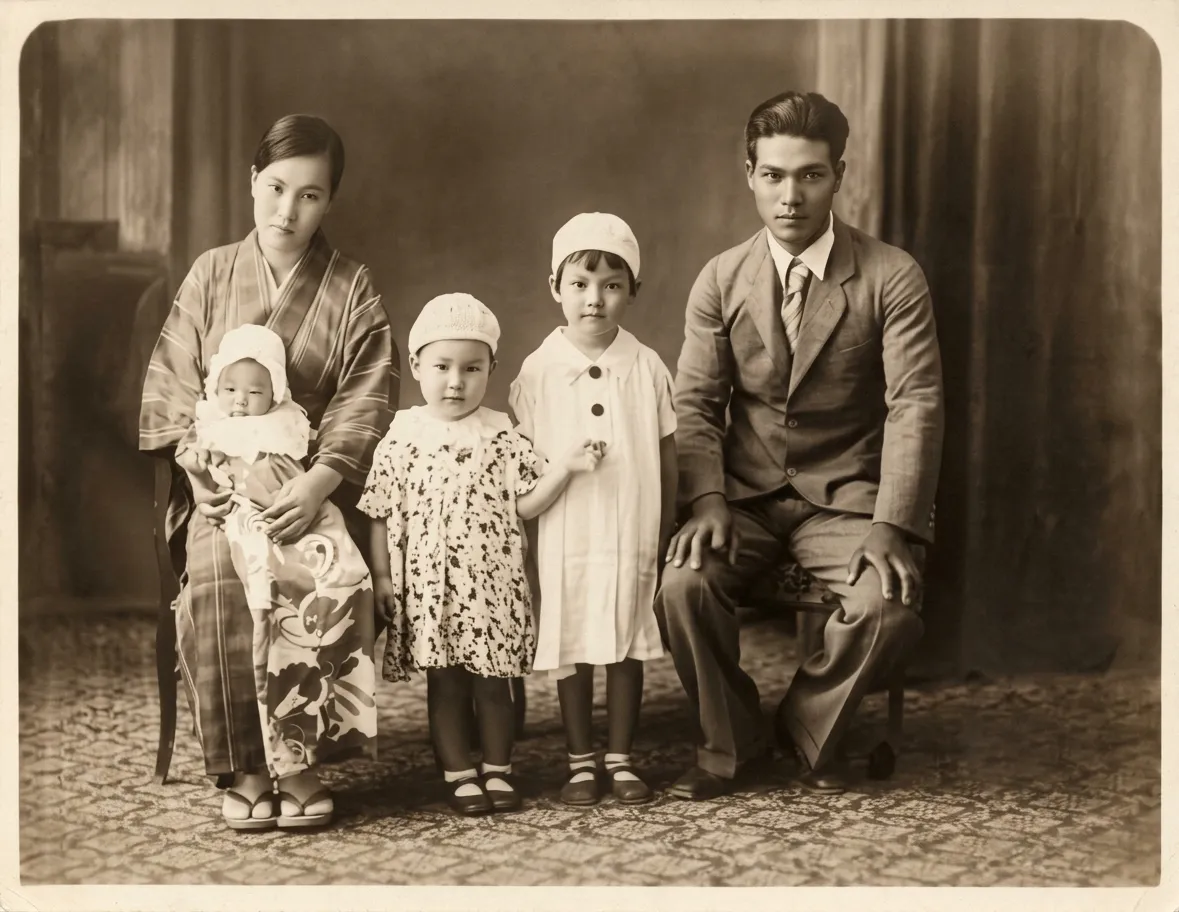
She had come with others whose families—both soldiers and civilians—were lost in June of 1944. They belonged to a group called the Aichi Mariana Kensuikai, led by Noriaki Murase, and they had gathered simply to pray.
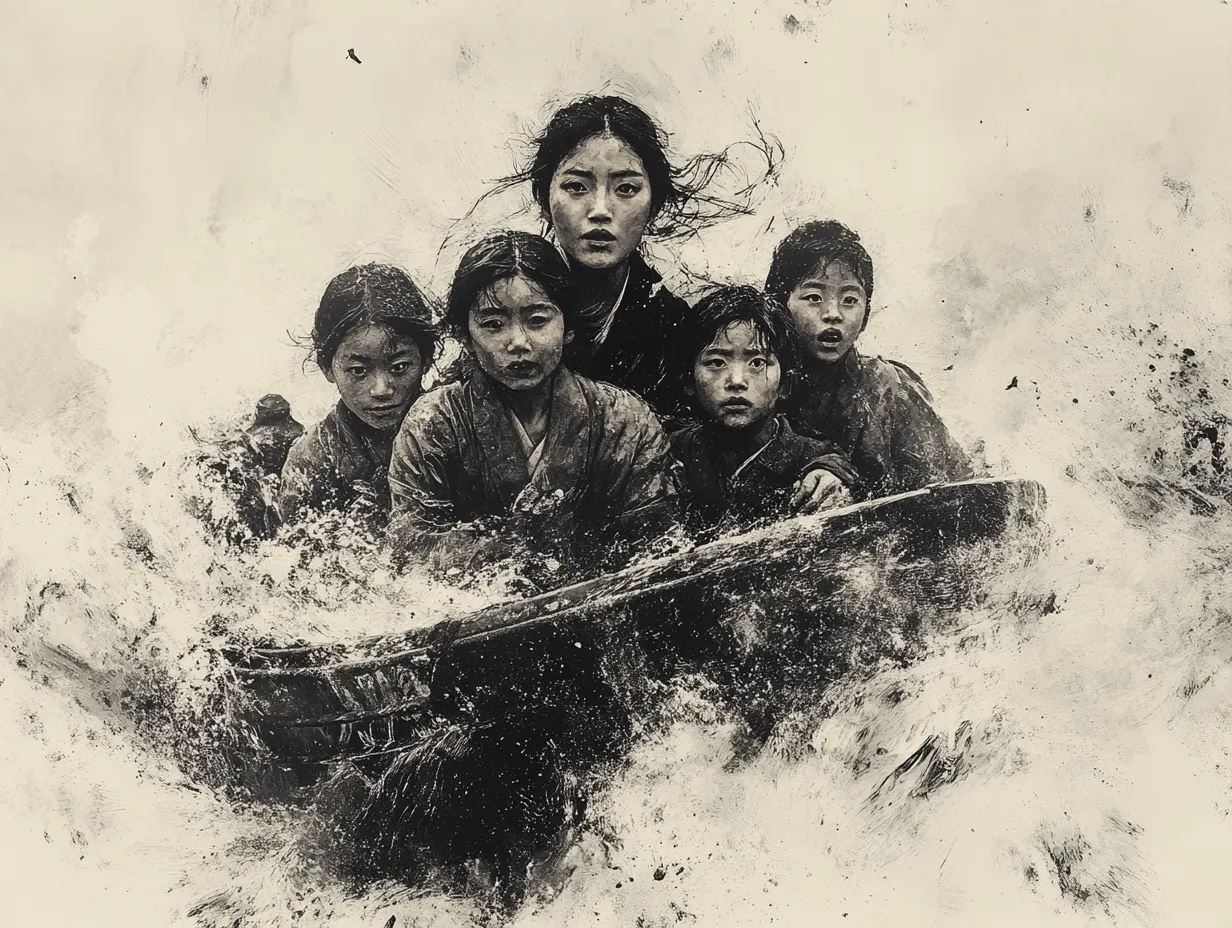
Imako was nine when the end of her childhood arrived. In March of 1944, as word spread that the Americans were coming, her mother gathered the children and boarded a ship. Getting aboard was a scramble, made worse by the knowledge that her father was staying behind. As the boat pulled away, she looked back and saw shirtless Japanese soldiers working along the shore, building defenses in the heat. It was the last impression of the place she took with her.
The family sailed first for Hachijo-shima, an island south of Tokyo. But the military warned that the Americans were coming there, too, so they moved on to mainland Japan, eventually hiding out in the mountains of Aichi, near Nagoya.
Now, decades later, she was back at LaoLao Bay, standing beside her younger brother, Yashiji. When someone played "Furusato"—a simple song about home and memory—the tears came. She was back in Garapan, if only in her mind.
Before the war, life had its small, reliable pleasures. Her father liked a bowl of hot rice mixed with butter and soy sauce. He worked at the communications facility in Oleai, where the children used to play, and the family lived near where the elementary school stands today. In the evenings, they would wait for him to come home so they could all go for a walk together.
That boat ride in 1944 was the first time Imako had ever left Saipan, and her first glimpse of her parents’ homeland. Yet Japan never quite replaced the island. She comes back every year she can, drawn to the one place that still feels like her own.
“It will always be home,” she said. “My home.”

comments
00