
On the fifteenth day of June, 1944, the island of Saipan smelled of salt and mortality. Men lay still upon the shore where the tide met the sand, white water washing over figures that would never rise again.
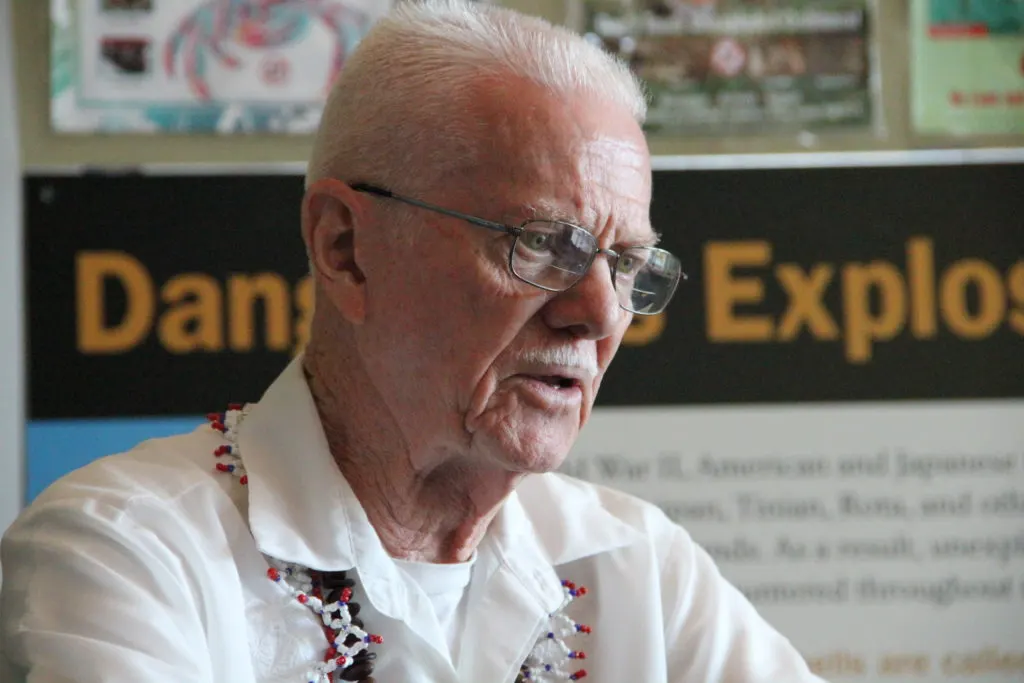
Major Richard T. Spooner was there. When he looked back on it decades later, sitting quietly in the shade of the American Memorial Park, he did not reach for grand words. He remembered the tractors—the amtracs—trundling through the surf, and how the heavy iron hulls were brought short at the very lip of the island. Many men died before their boots ever touched dry ground.
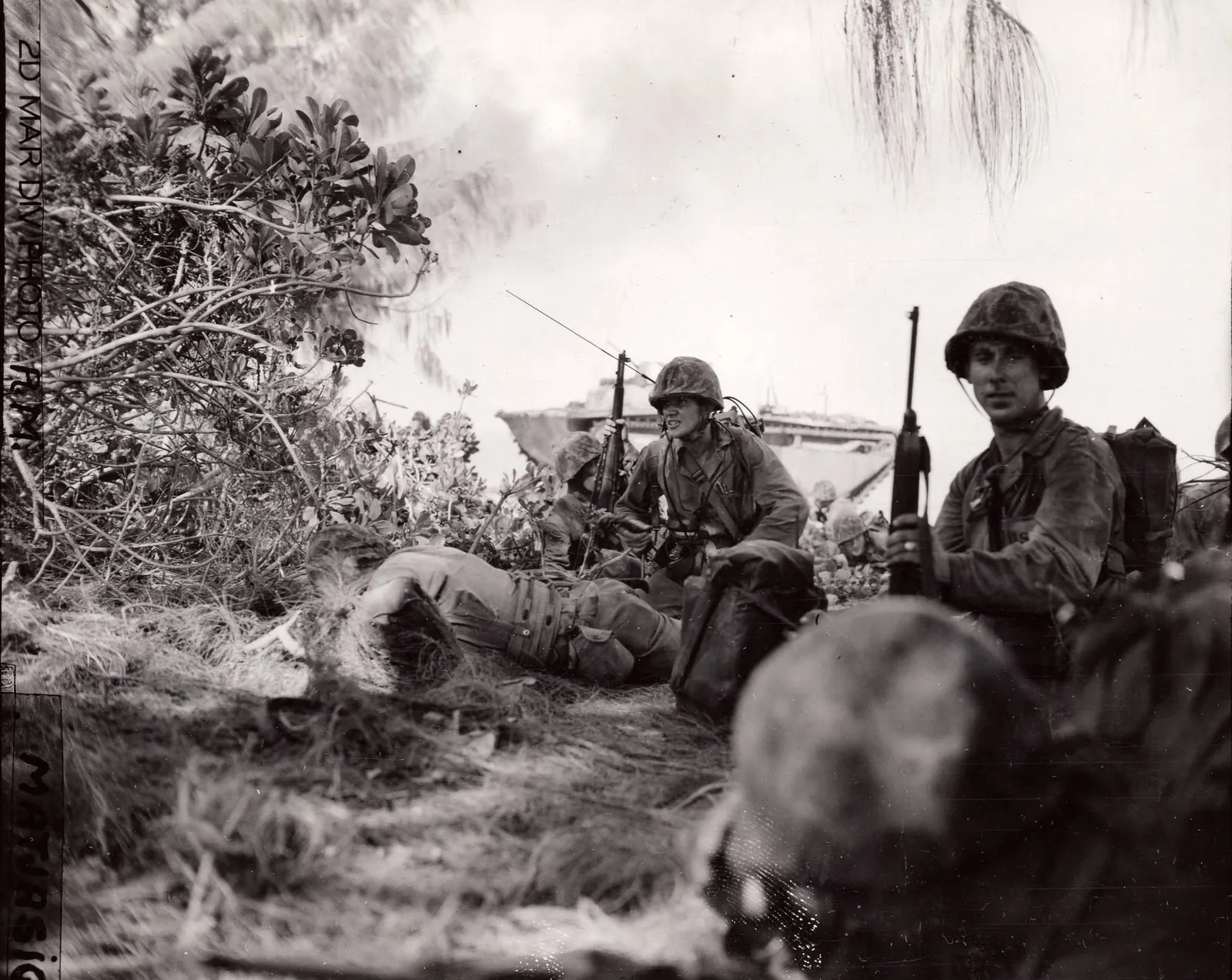
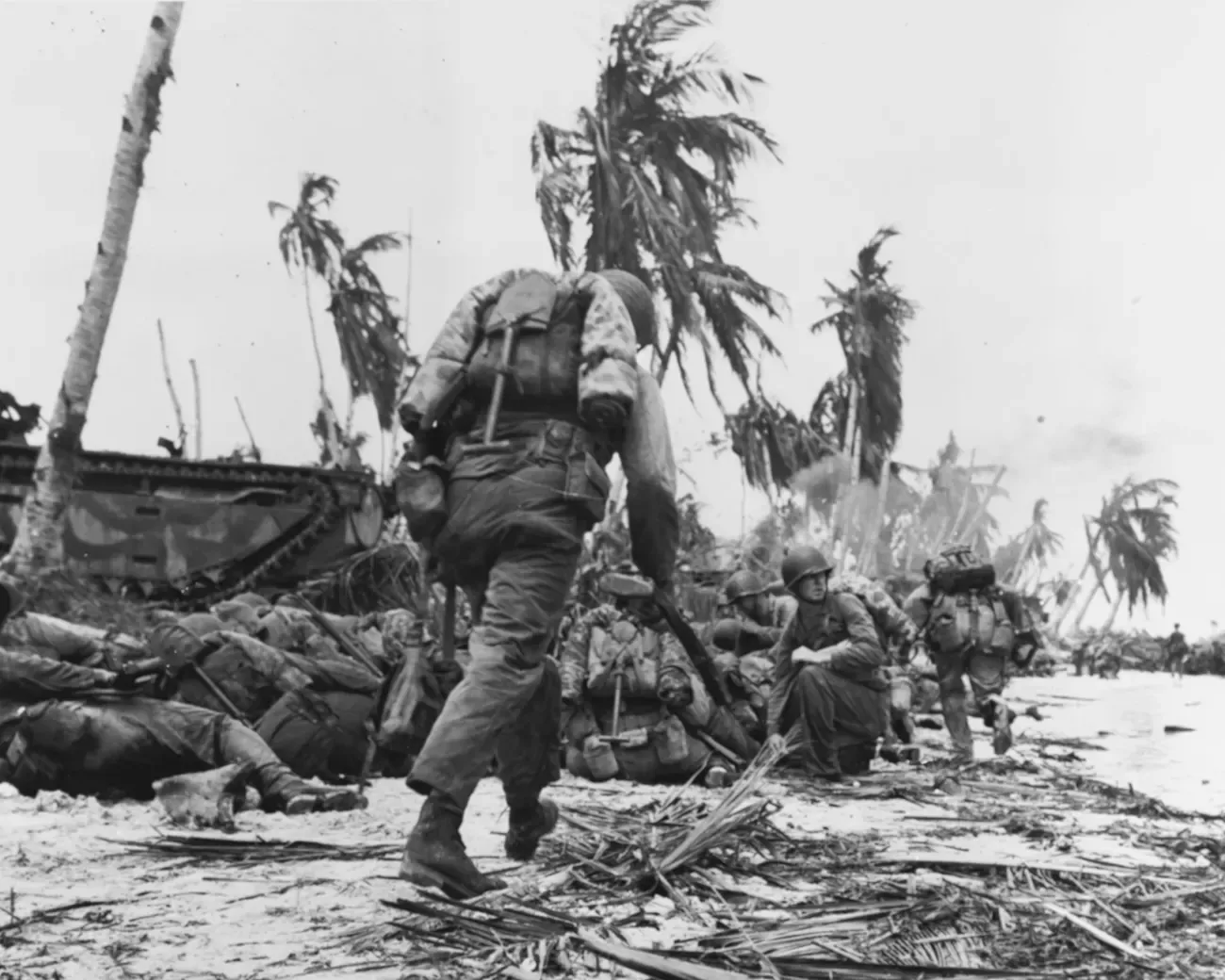
His unit, the Second Battalion, came ashore on Green Beach, though not where they were meant to be. They landed too far to the left and had to make their way back along the edge of the sea. The beach was cluttered with the fallen, American and Japanese laid side by side in the indiscriminate finality of battle. Photographs were taken later, of course, but Major Spooner knew that a camera captures only light, not the weight of the air or the stillness of a friend.
To move forward across the sand with a pack, a rifle, and a helmet was hard work. Survival came down to a simple, repetitive arithmetic: run a few paces, drop into the sand, roll, stand, and run again. That first day, he said, felt less like twelve hours and more like several lifetimes.
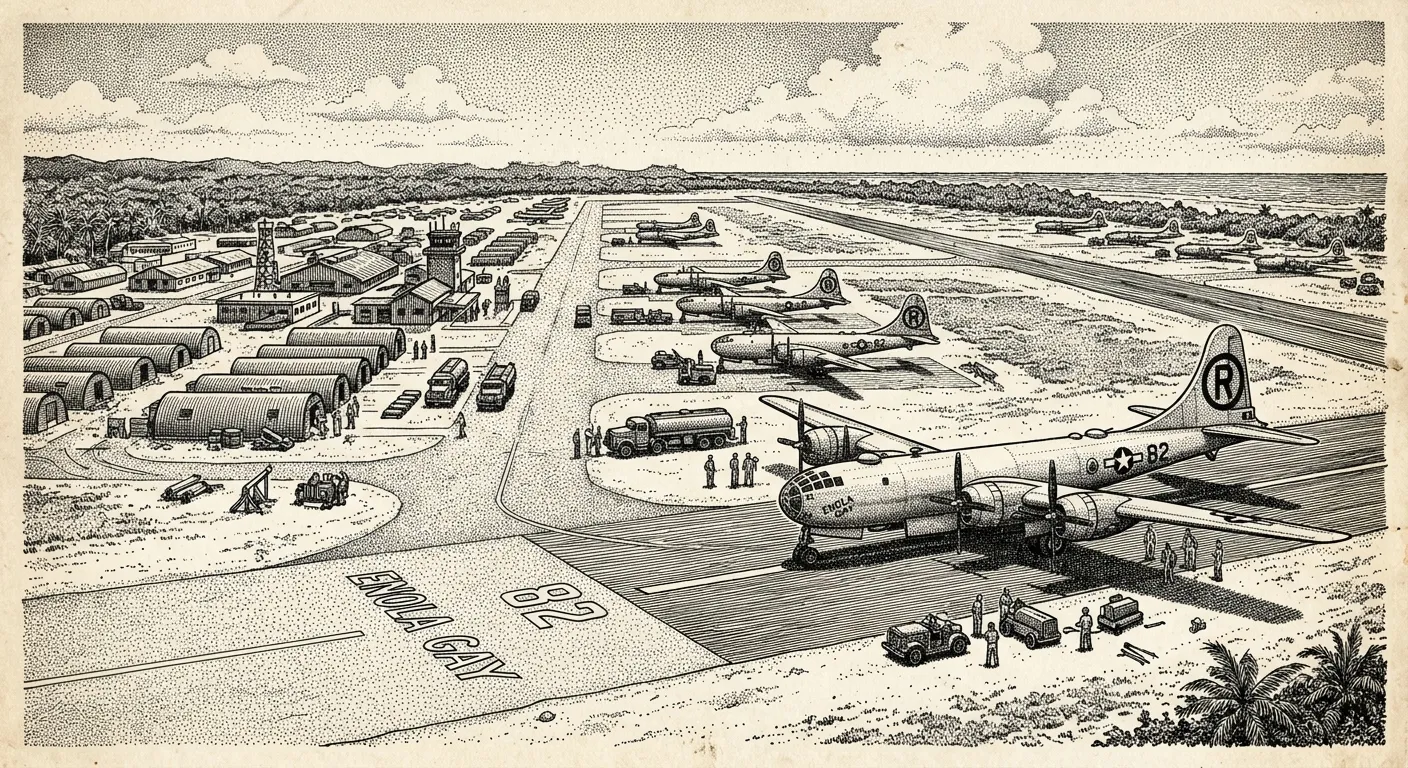
Eventually, they took the airstrip at Susupe and pushed on. By late July, they were ordered aboard a ship bound for Tinian.
It is strange what the heart remembers as mercy. After six weeks in the same grease-stained clothes, the men were given fresh dungarees, clean socks, and cotton underwear. The Navy offered hot water and warm food, and for a day or two, aboard a steel ship in the middle of a war, it felt very much like paradise.
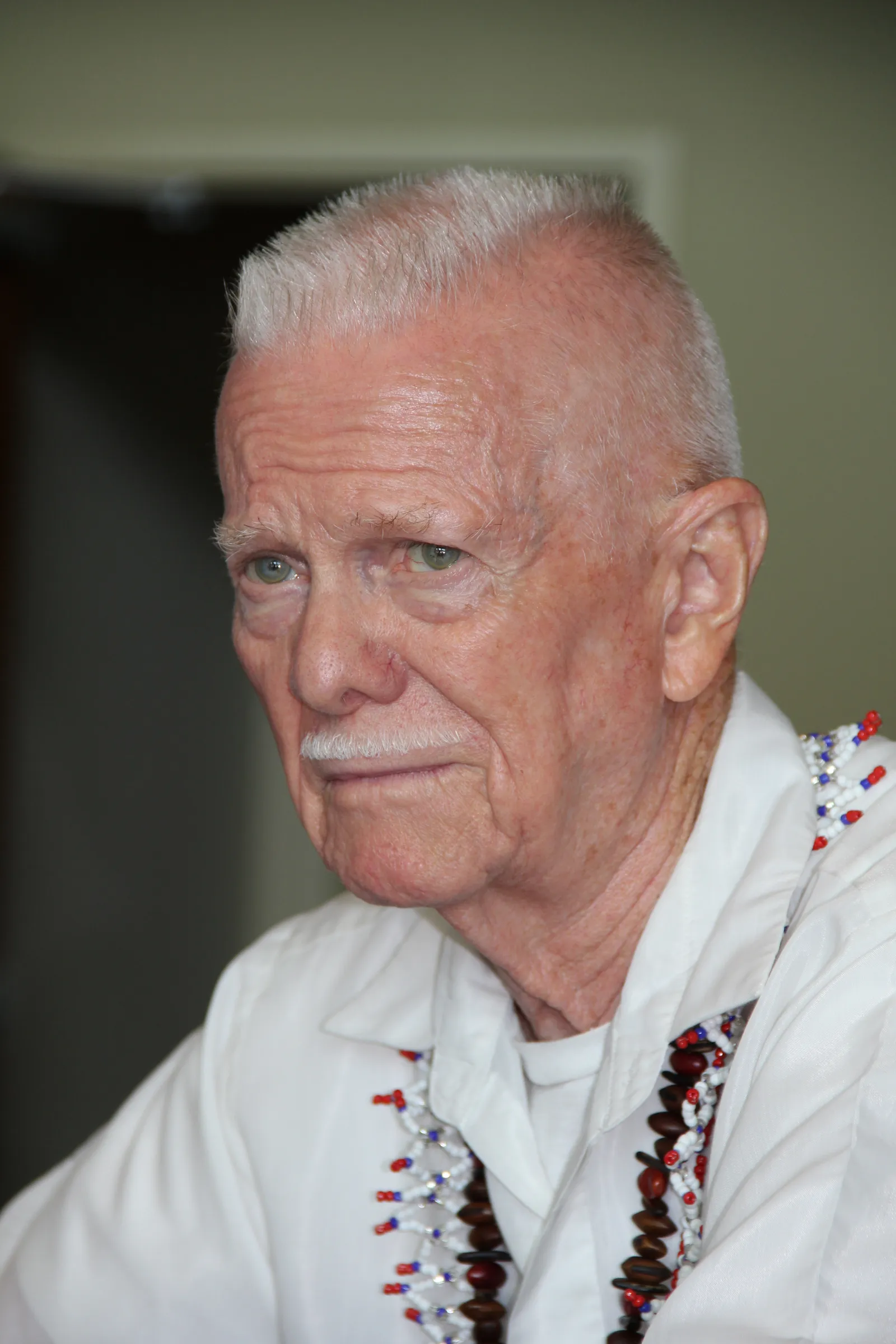
Sixty-seven years passed before Richard Spooner returned to Saipan. The heavy smell of death was gone, swept clean by the Pacific winds that blow over the graves of thirty thousand Japanese soldiers and three thousand Americans. He looked out over the quiet water, considered the long reach of time, and noted simply that what was given there had been worth the cost.
comments
00