
In 1922, eight years after Japan set up its naval rule in the islands, a League of Nations mandate handed the administration over to civilians. The new government was called the Nanyo Cho. It ran the day-to-day affairs, though it was not a sovereign state, and the local people lived without the protections of the Japanese constitution.
First based in Chuuk, the Nanyo Cho soon moved to Koror, in Palau. A single governor held the executive, judicial, and legislative power. In Garapan, workers built an administrative hall where the old German headquarters had stood—a physical sign that a new order had arrived.
At the start, Saipan and Rota held modest communities of Chamorros and Carolinians, while Tinian and the smaller islands lay empty. Life was quiet, rooted in small farms and fishing, and the land remained largely untouched.
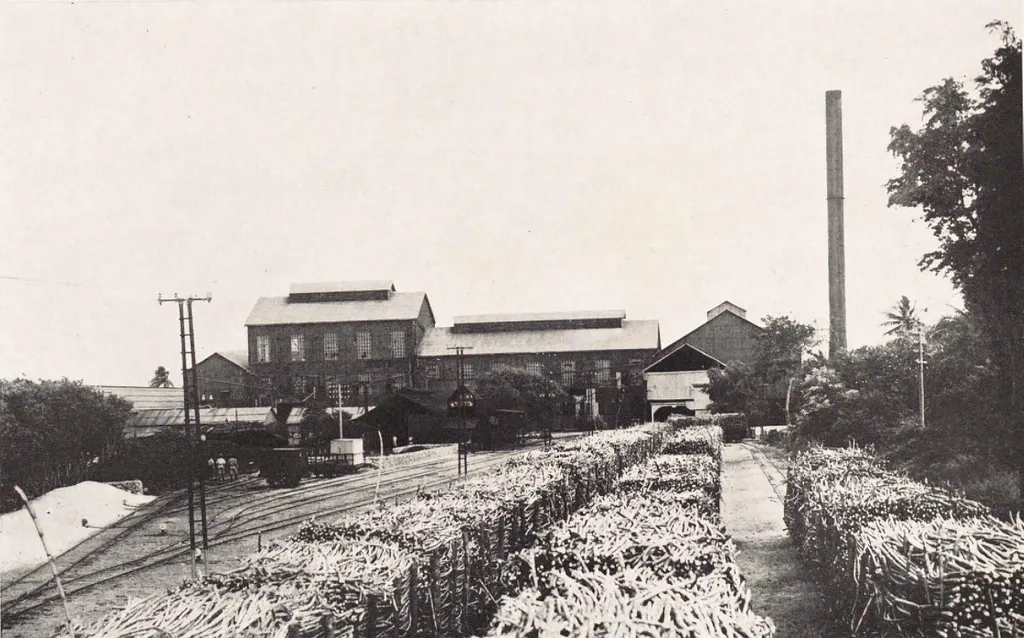
Japan was slow to open the doors to immigration, but early efforts to plant sugar drew thousands of laborers across the sea. The first ventures collapsed, leaving two thousand workers stranded far from home. Then came Haruji Matsue, who had studied at Louisiana State University and learned the sugar trade in America. He founded the Nanyo Kohatsu Kaisha—the NKK—and set to work. He laid narrow-gauge railway tracks through the brush to carry cane from the fields to the mills. By 1926, sugar was thriving in Kagman and Laulau, and spreading to the fertile soil of Tinian. On Rota, the soil proved stubborn, but the island found a different purpose in mining. Copra and fishing grew too.
With the boom came towns, money, and a rising population, but also clear-cut forests, pests, and a quiet setting-aside of the islanders. By the 1930s, the NKK had brought in so many workers that Japanese subjects outnumbered the locals ten to one. By 1935, Saipan held more than twenty thousand Japanese, Okinawans, and Koreans, set against roughly thirty-three hundred Chamorros and Carolinians. On Tinian, fourteen thousand newcomers lived alongside just twenty-five local inhabitants. Only on remote Pagan did the native islanders remain the majority.
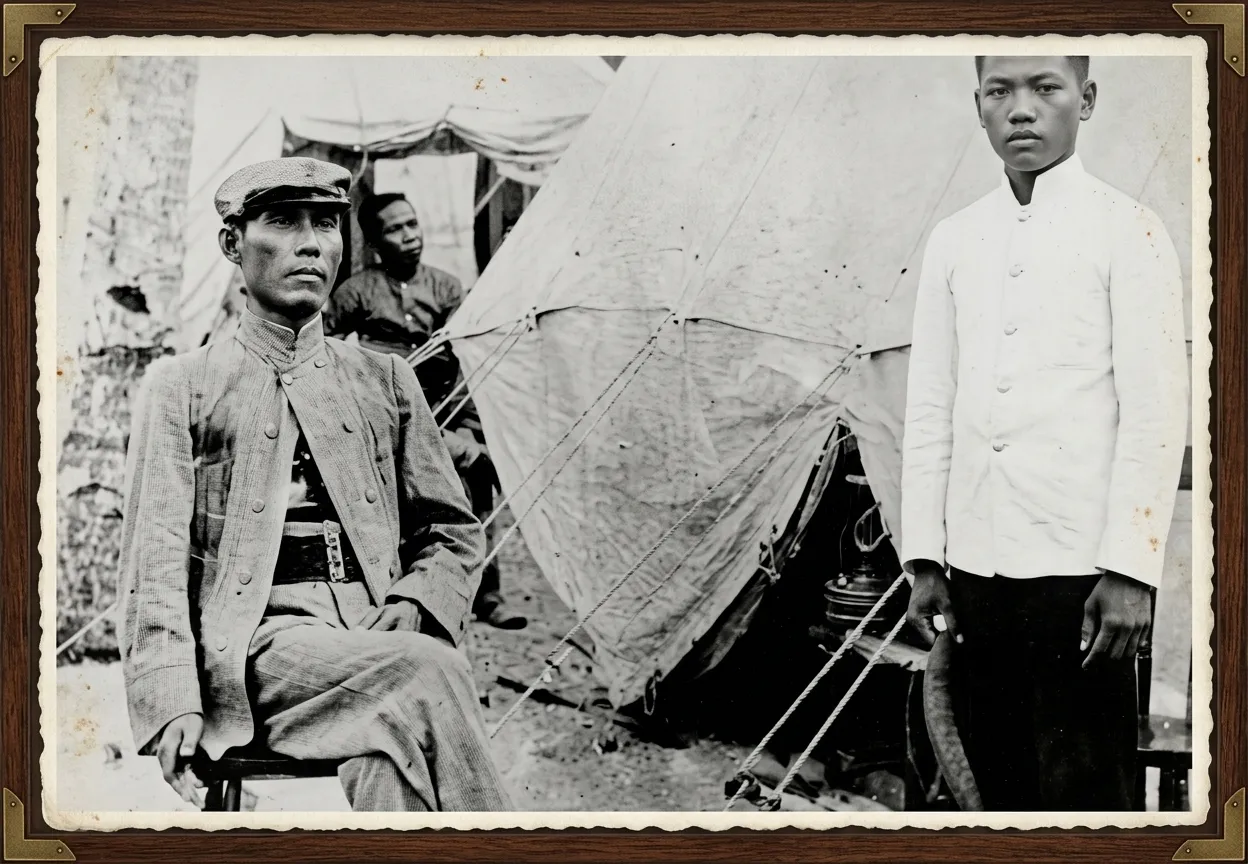
Society was neatly divided into ranks. First came Japanese from the home islands; second came Okinawans and Koreans; third came the native islanders, known as Toming, who were further split between Chamorros and Carolinians.
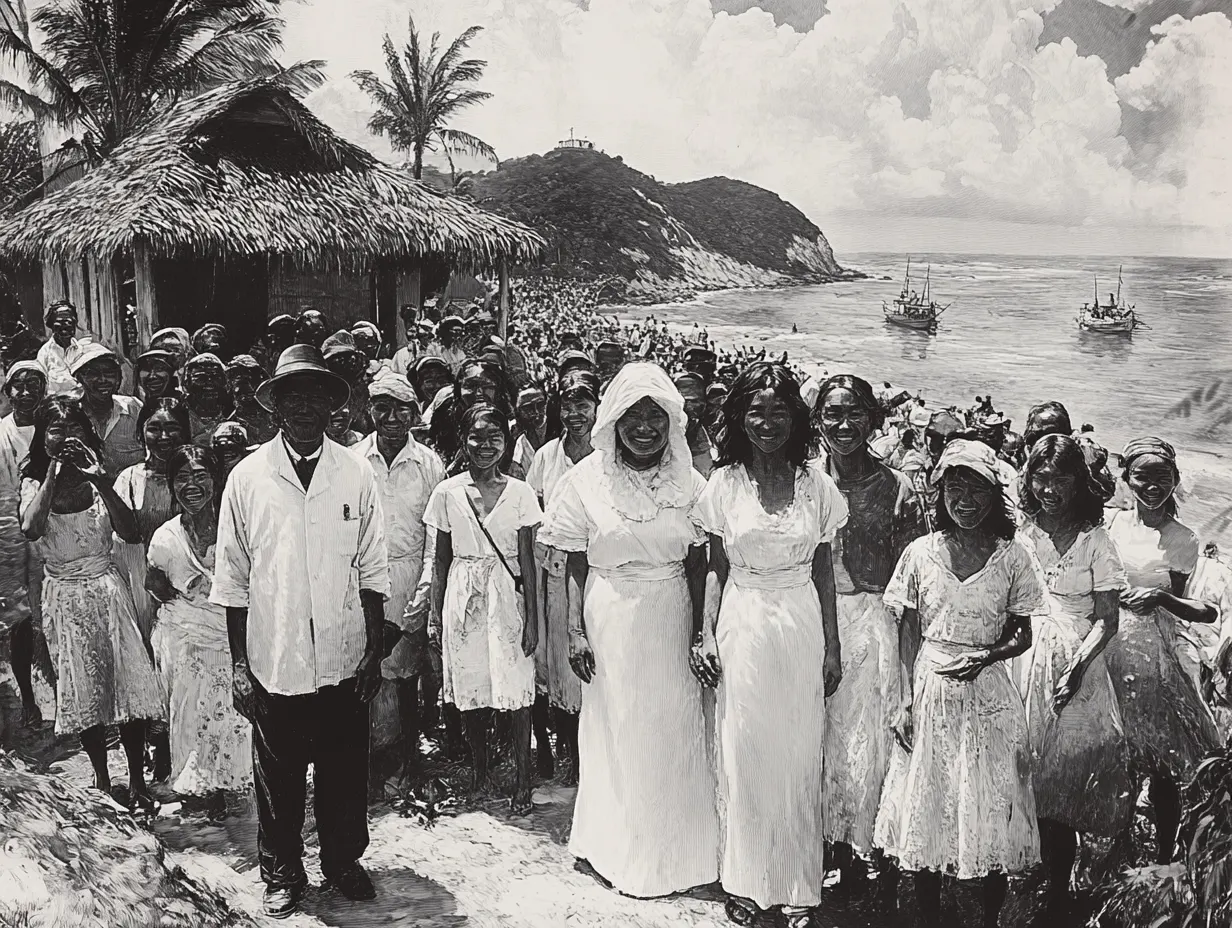
For many, daily life brought new wages, leased land, and better medicine. Villages grew into modern towns with real streets—Garapan and Chalan Kanoa on Saipan, Tinian Town, and Songsong on Rota. Yet the fields came at the cost of the forests, and the bare soil brought swarms of crop pests.
Schooling followed the same sharp divide. Local children attended a three-year primary school called the Kogakko, while Japanese children received eight years at the Shogakko. Lessons focused on Japanese language, arithmetic, moral discipline, and drills, taught mainly by rote.
Most islanders remained devoted to the Roman Catholic faith. After years without priests, Spanish Jesuits and Mercedarian sisters arrived in 1921 to resume the work; in the interim, a local leader named Gregorio Sablan had kept the parish records himself. As Japan pushed state Shinto and military devotion in the years that followed, the Marianas became a tangled world of old native ways, foreign faith, and colonial rule.
comments
00