Ever since I moved to the Marianas, a quiet feeling has stayed with me—the sense that I was living among people with whom I shared an old, forgotten kinship. You notice it in small, ordinary moments. A elder leaning over to chew betel nut, just as folks do back in the villages of the Philippines. Or a sudden startle on the street when a passing conversation sounds so much like Tagalog that you open your mouth to join in, only to realize, a second too late, that the cadence belongs to Chamorro.
Years ago, at the American Memorial Park, a visiting scholar sat with us and pointed out how many words flow naturally between Chamorro and Bisaya. It felt less like a new discovery and more like confirmation of what the heart already suspected.
Then came the archaeologists.
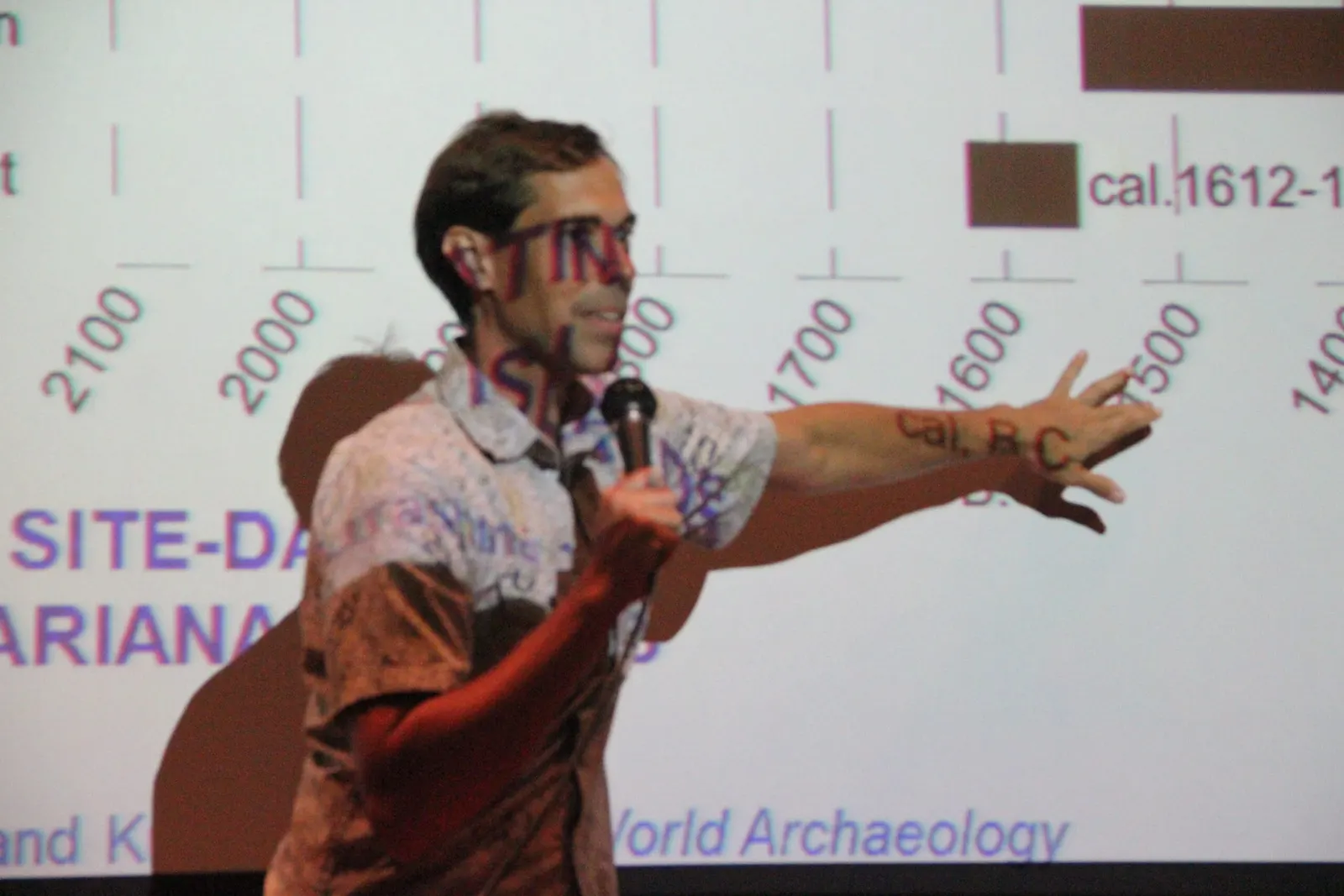
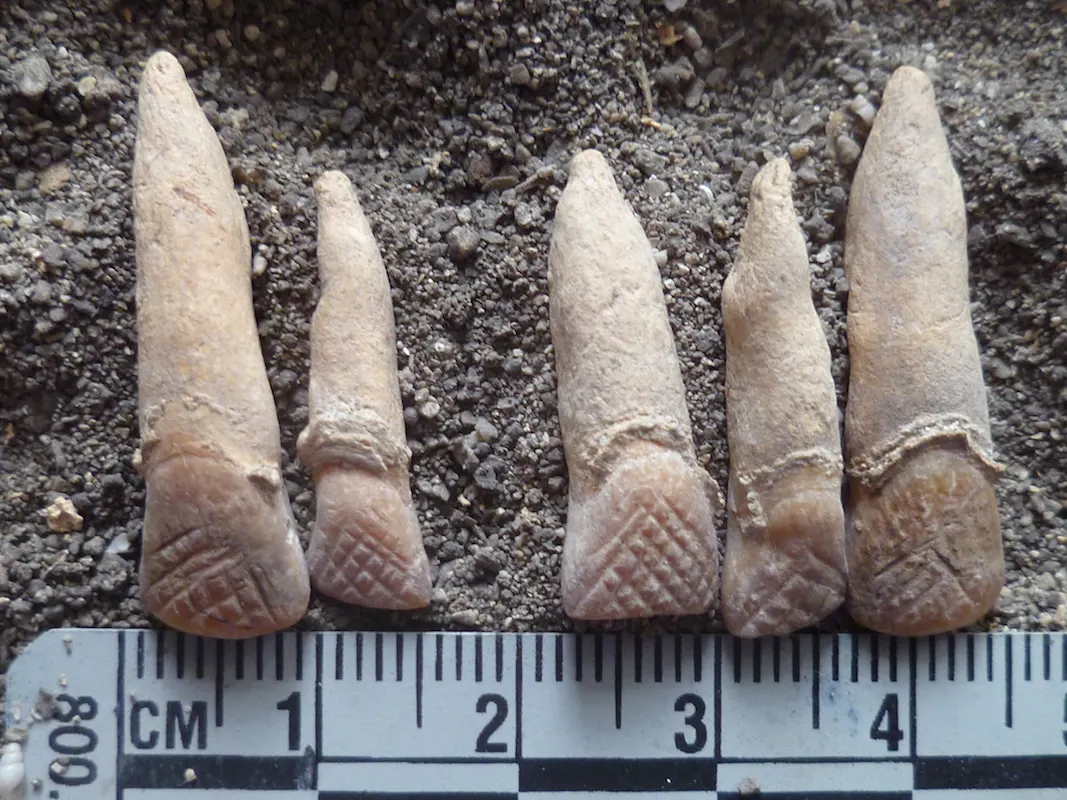
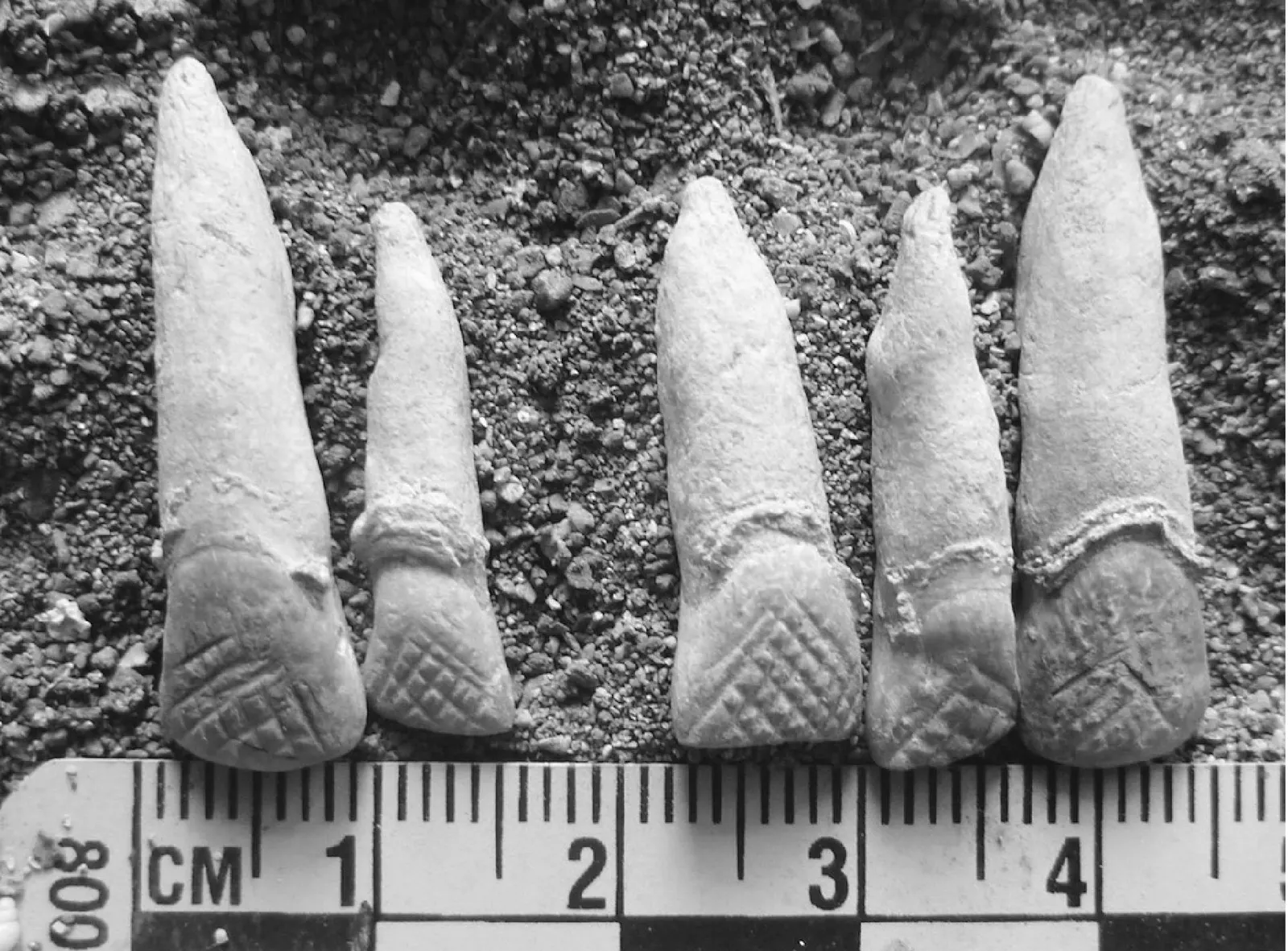
On the island of Tinian, where the Pacific wind smells faintly of salt and crushed leaves, Dr. Mike T. Carson and Dr. Hsiao-chun Hung have been moving slowly through the earth. What they are pulling up—handfuls of clay bits, mostly, fired red and stamped with tiny, tooth-like patterns—is beginning to prove what those spoken words and shared habits have hinted at all along.
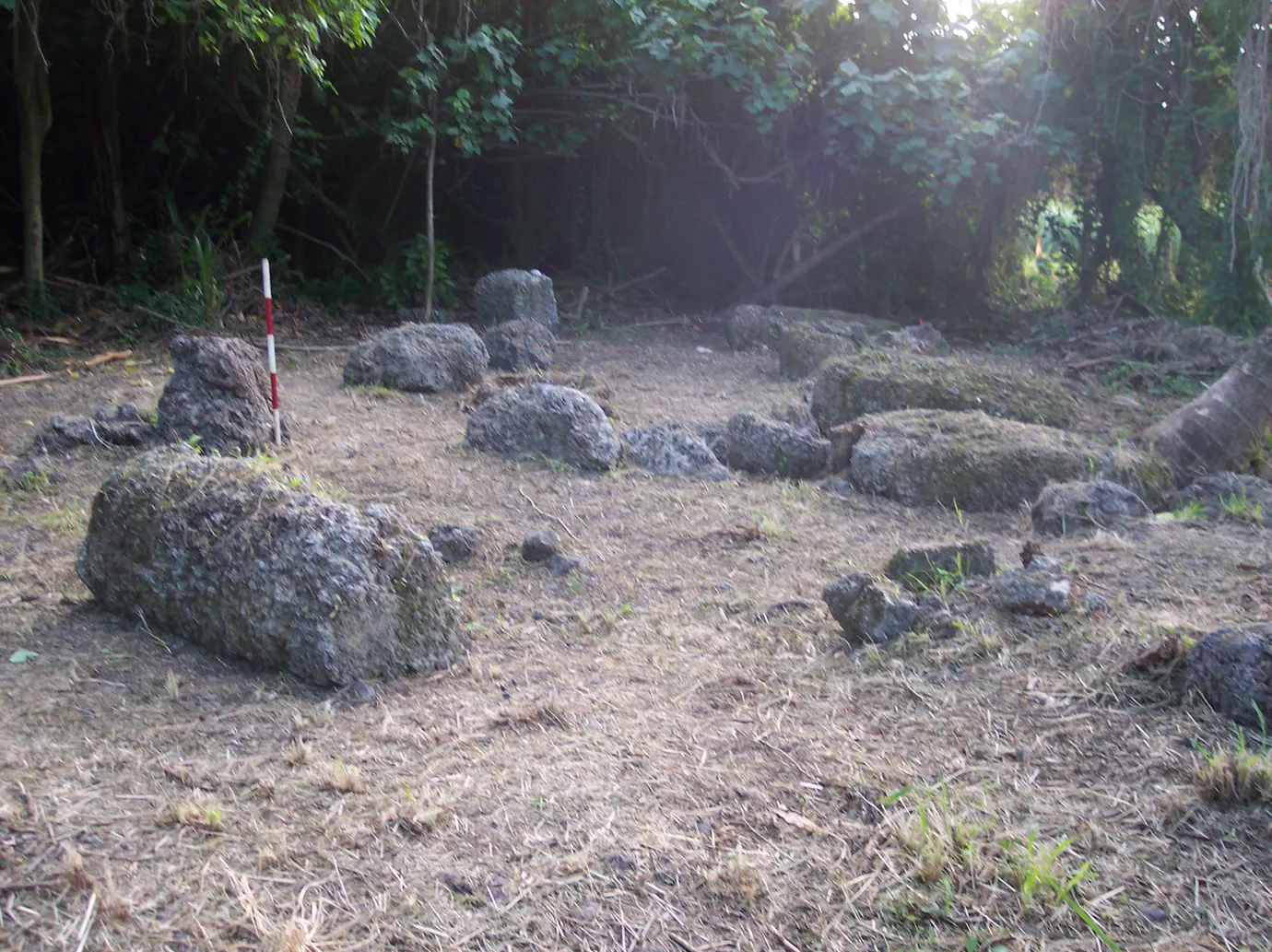
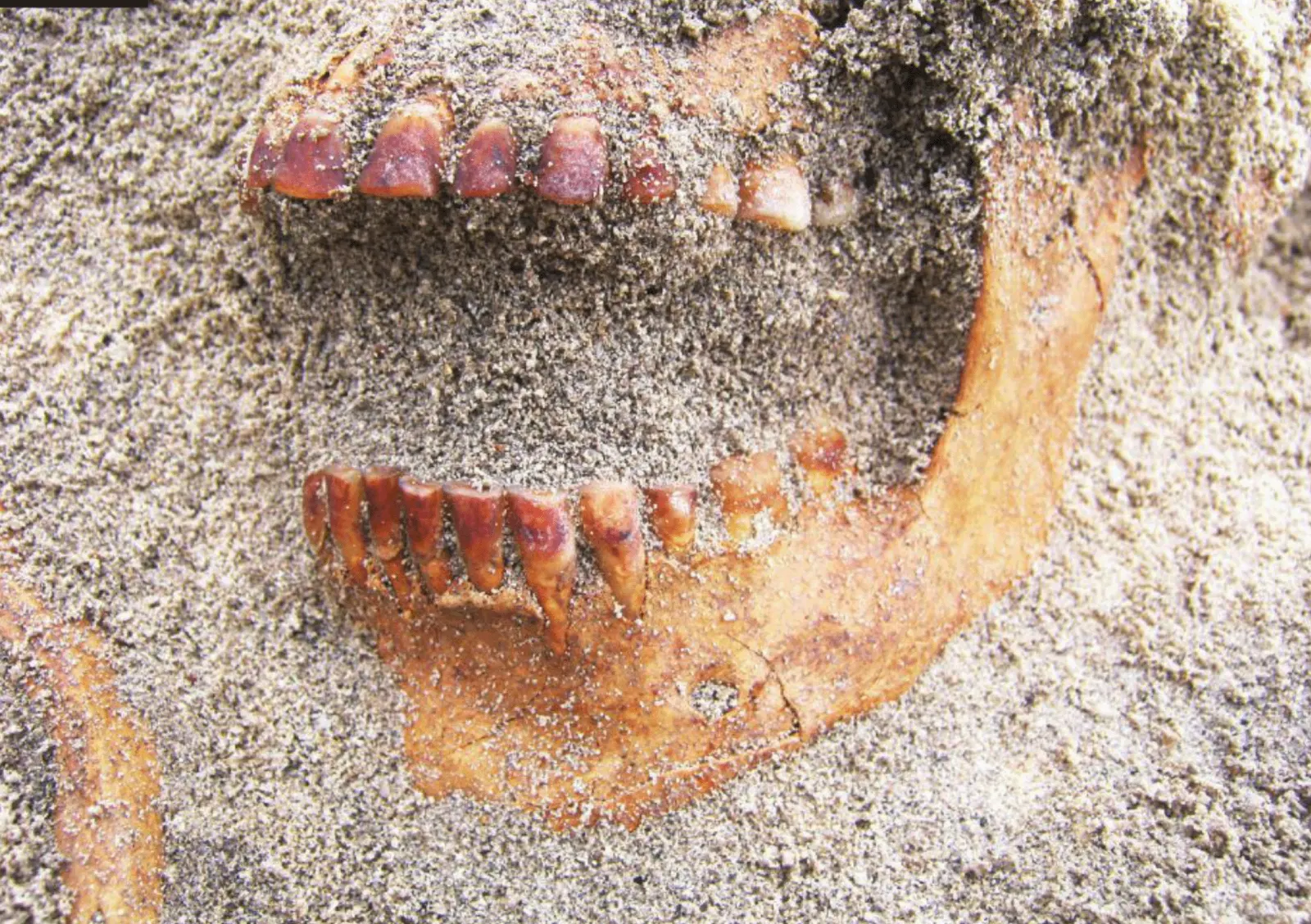
For three decades, Dr. Hung has followed these faint human traces, starting as a student turning over soil in northern Luzon back in 1995. On Tinian, working alongside Dr. Carson near the ancient stone pillars of the House of Taga, they have unearthed more than thirty thousand bits of broken pottery, along with the fragile bones of the people who made them thirty-five centuries ago.
When you lay a four-thousand-year-old pot from the valley of Cagayan beside a three-and-a-half-thousand-year-old pot from Tinian, the likeness is plain. The red slip is the same. The dentate marks, pressed into wet clay before it saw the fire, match. In both places, potters used a wooden paddle to beat impressions into the damp walls—a rare technique that sets them apart from the Lapita makers who were settling Melanesia a bit later.
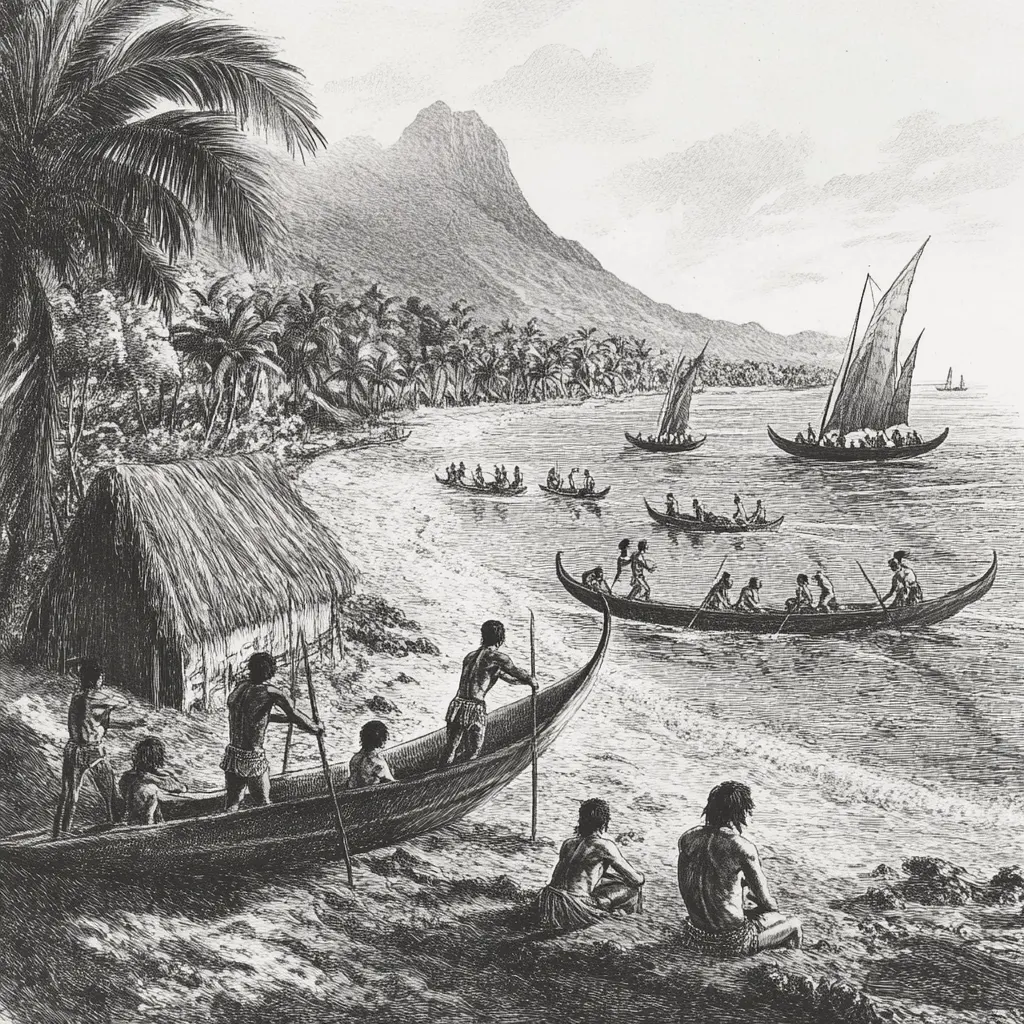
These are not accidents of chance. People do not carry identical tools, press identical patterns into clay, and speak with sister tongues across fifteen hundred miles of open ocean by coincidence. The islanders who stepped ashore on the Marianas came intentionally, bringing their crafts, their language, and their daily ways from the Philippines—part of a deliberate sea-journey that had begun earlier still in Taiwan.
Writing in The Journal of Island and Coastal Archaeology, Dr. Carson and Dr. Hung set out five distinct traits shared by these early ceramics. What their work offers is not a grand, distant legend, but something much warmer: a scientific grounding for that familiar feeling on the street. Long before Magellan ever charted these waters, long before anyone thought to write the history down, our ancestors were building fires, shaping clay, and leaving behind small, durable signatures—proving that the distance between us was never quite as wide as the ocean made it seem.
comments
00