
When I first met Tan Escolastica Tudela Cabrera years ago, she was living on Capital Hill on Saipan. I felt an immediate reverence in her presence. She was a Chamorro woman of deep faith, generous kindness, and extraordinary grit—an entrepreneur who built a life out of the ashes of war. Her story had appeared in books, newspapers, and magazines over the years, but meeting her in person was different. You could feel the warmth of a life fully lived, backed by an unbreakable resilience.
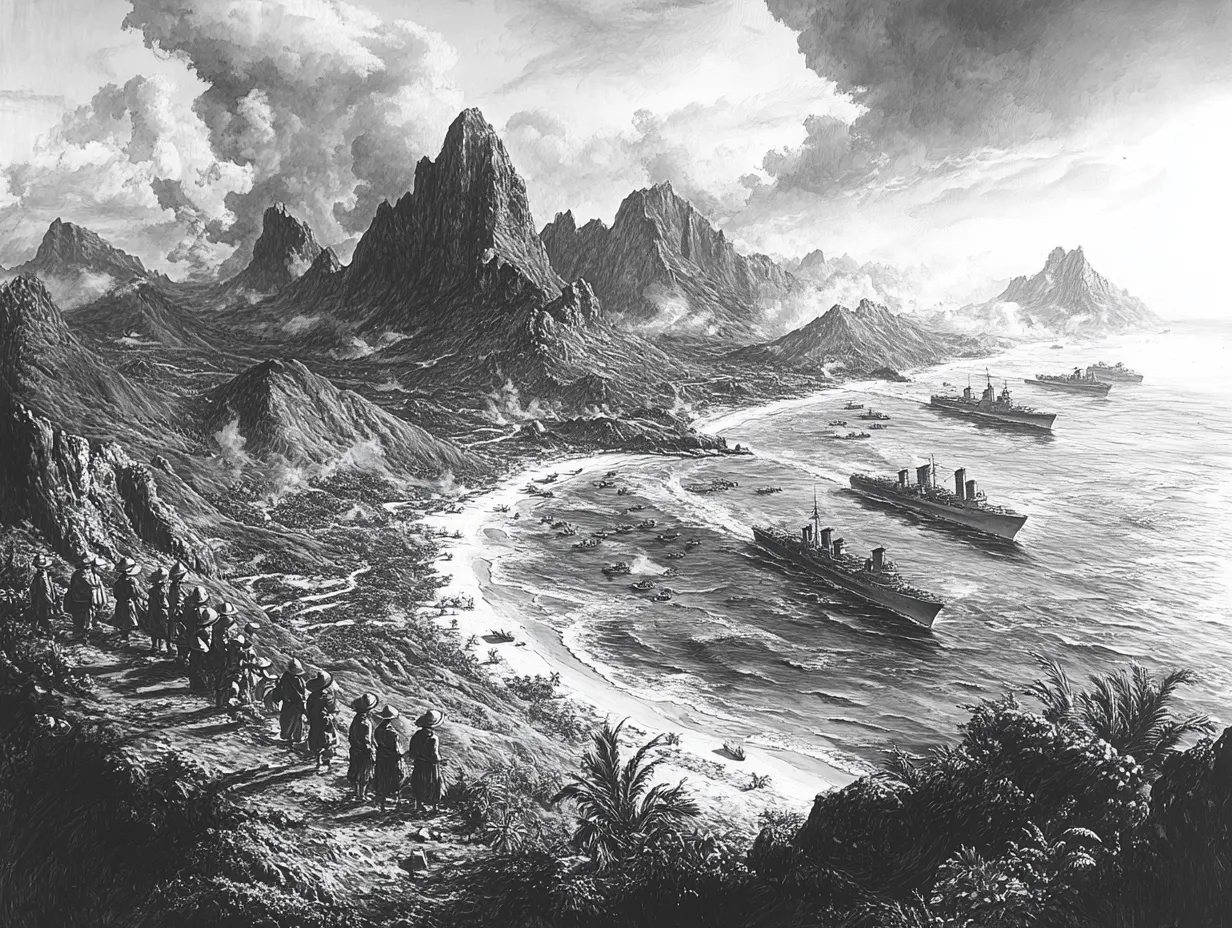
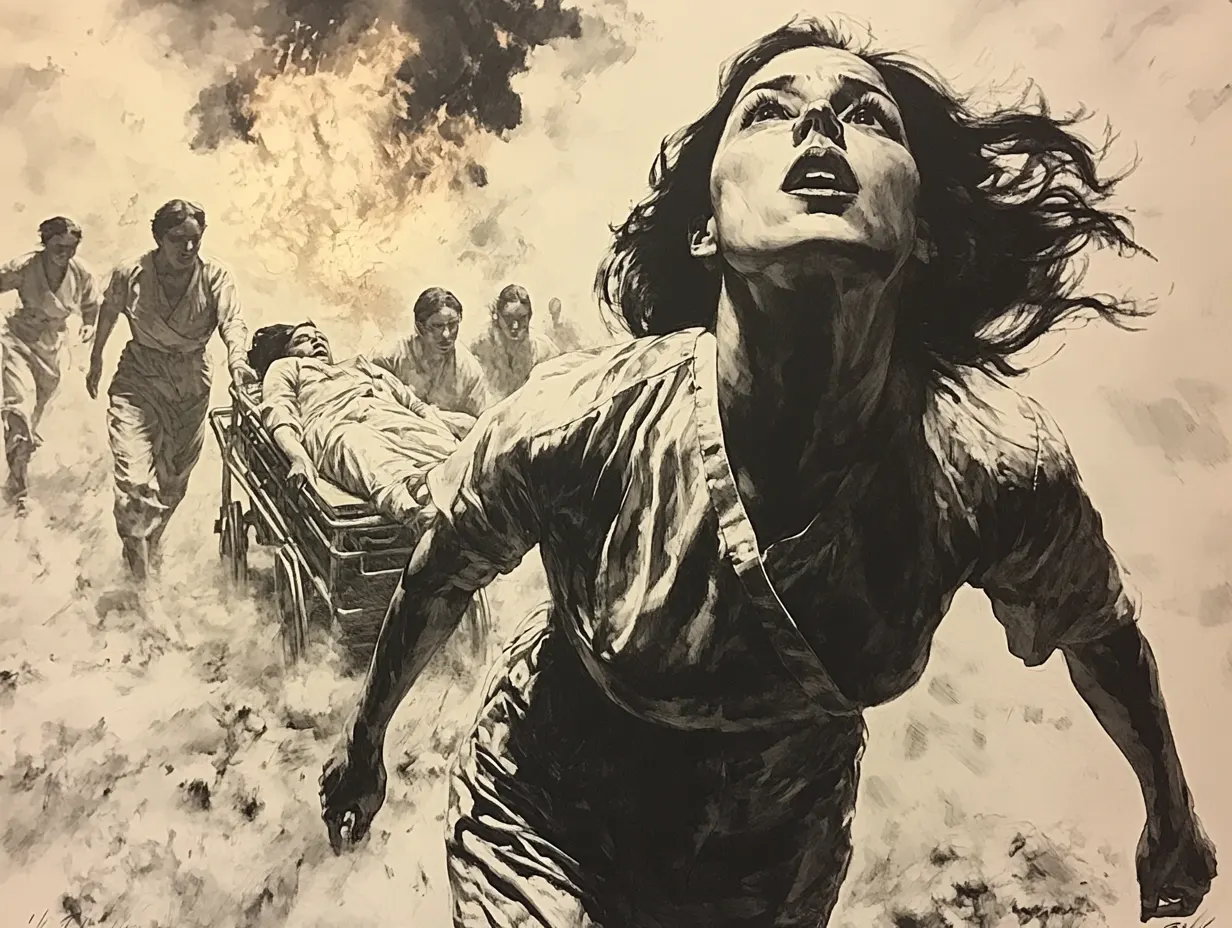
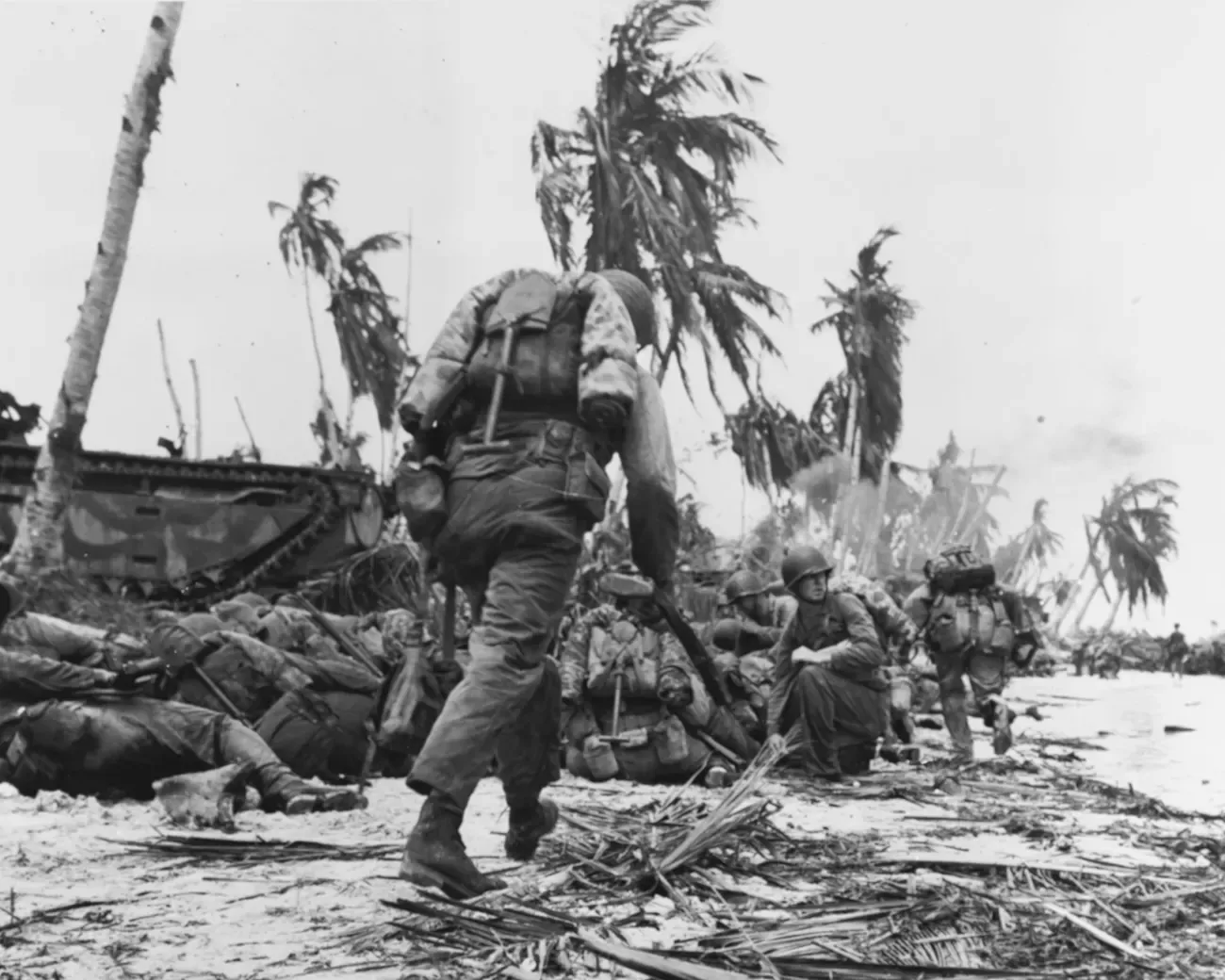
In a 2011 interview, she spoke of the summer of 1944, when the Battle of Saipan tore across the island. She and her family hid inside a cramped cave while Japanese and American forces fought above them. For nineteen days, they were trapped without food or water. A natural spring trickled just a short walk away, but with bullets ripping through the air and bombs falling nearby, stepping outside meant almost certain death. To survive the heat and stave off thirst, they drank their own tears.
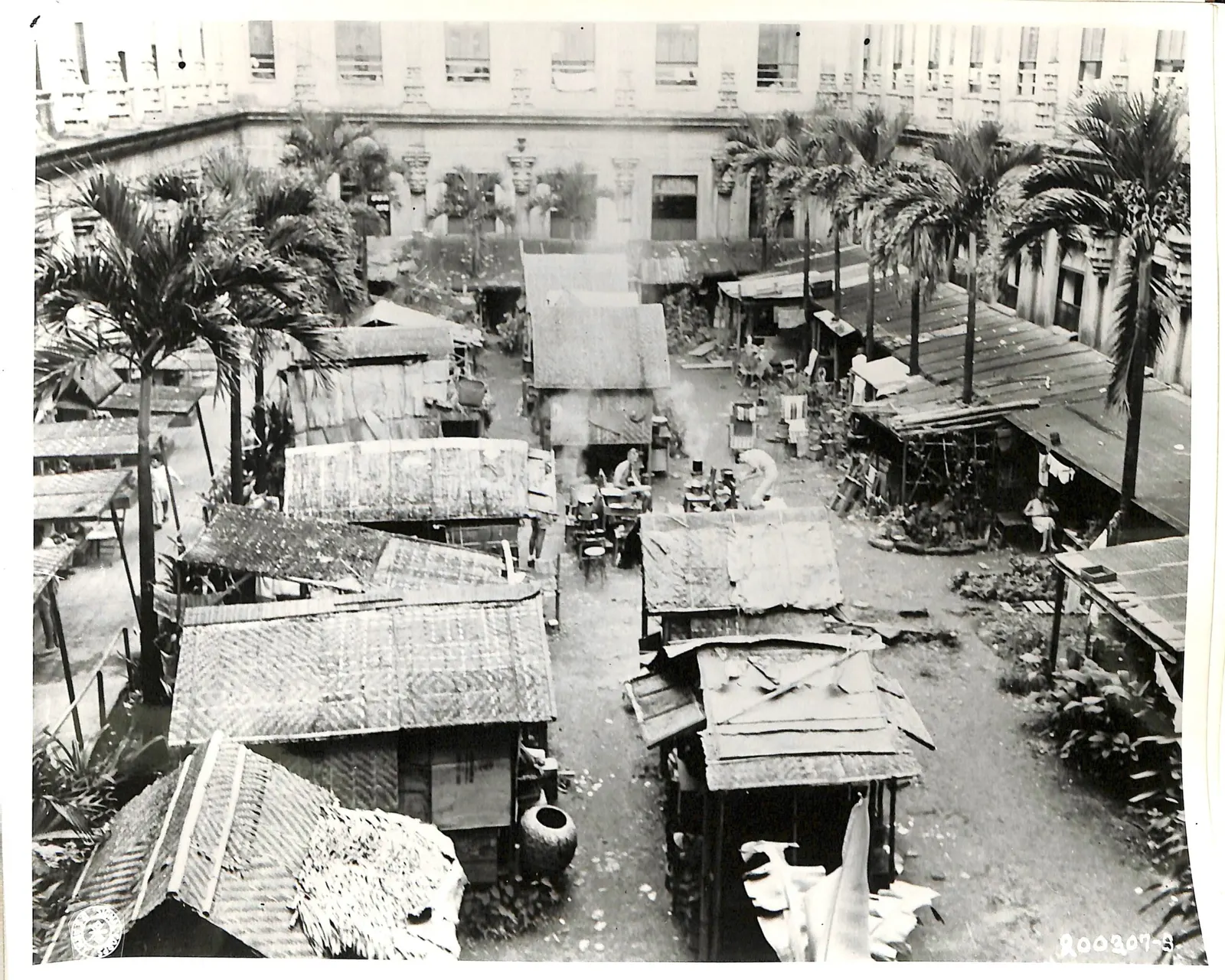
Relief came when an American soldier discovered their hideout and led them down out of the hills to Camp Susupe. The path to safety was a grim line drawn through devastation, lined with bodies strewn across the dirt. Camp Susupe offered safety, but little else—just tents pitched on the sand, crowded and devoid of privacy. They stayed for six months before the gates finally opened. Leaving the camp behind, the family settled in Chalan Kanoa, moving into former Japanese sugarcane company housing to begin rebuilding.
Life before the war had been strict, structured, and vibrant. Growing up under Japanese rule on Saipan, Tan Escolastica attended both Catholic and Japanese schools. She remembered the rigorous discipline of her teachers, including one who was quick to use a stick to enforce obedience. Lessons were conducted strictly in Japanese, and students were expected to speak it at home as well. She excelled in her studies, eventually earning a diploma signed by Emperor Hirohito himself—a prized document later lost in the war. As the conflict drew closer, local residents, including many women, were drafted to build defense works across the island, fortifying the very hills where they would soon seek refuge.
When the war ended, Tan Escolastica did what was necessary to provide for her family. She started small as a seamstress, saved her earnings, and eventually opened her own beauty salon. Later, she pioneered the bento lunch on Saipan, preparing simple, affordable daily meals for local schoolchildren.
Her life as a business owner had its share of hardship. In 1969, Typhoon Jean flattened her store, reducing years of labor to rubble overnight. But she simply cleared the debris and started over. Through every trial, her kindness remained as steady as her devotion to God and her family.
Before she passed away in 2013, Tan Escolastica gathered her children around her one last time. Her final advice was simple: look after one another, stay united, and lead with love. It was the same principle that had carried her out of the darkness of that cave in 1944 and sustained her through a long, remarkable life on Saipan.
comments
00