Seventy years have a way of softening the sharpest edges of memory, smoothing out the jagged horrors of war until what remains, under the Pacific sun, is the simple act of remembering.
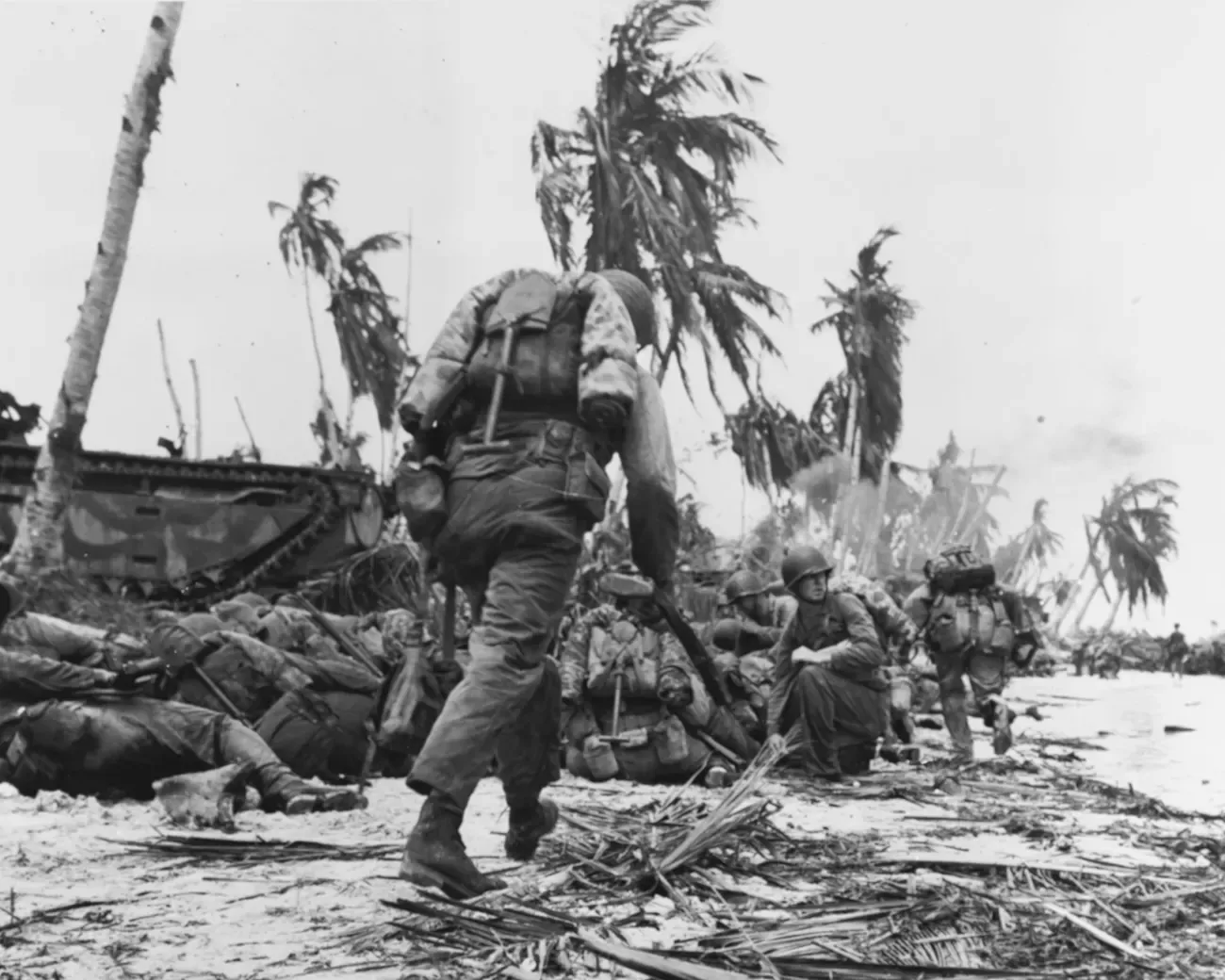
On a June morning in 2014, Teruki Okazaki returned to Saipan. He was ninety-two years old, a former Private First Class in the Imperial Japanese Army’s Heavy Artillery 9th Regiment, born back in the early autumn of 1921 in Sakaide-city, on the island of Shikoku. He had first set foot on Saipan early in 1944, arriving by ship from Manchuria—a young man stepping into a dark and furious storm. When the island fell, more than 20,000 of his comrades perished in the violence. Private Okazaki was gravely wounded himself, rescued by American forces, and borne off to a prisoner-of-war camp in Ohio.
He survived, as men sometimes do, and went home to build a life out of simpler, sweeter things. He married, raised a son and two daughters, worked a factory that made plastic bags, and tended to the slow, steady growth of olive and orange trees.
Yet when word reached Sakaide that the Northern Mariana Islands intended to mark the 70th anniversary of the battle, Okazaki-san packed his bags. Accompanied by his wife, his son’s family, and his granddaughter, Yuki-san—who served as his voice and translator—he journeyed back across the water. He came to give thanks for the island’s invitation, to honor those who never left, and to vow that as long as breath remained in him, he would keep returning to pray.
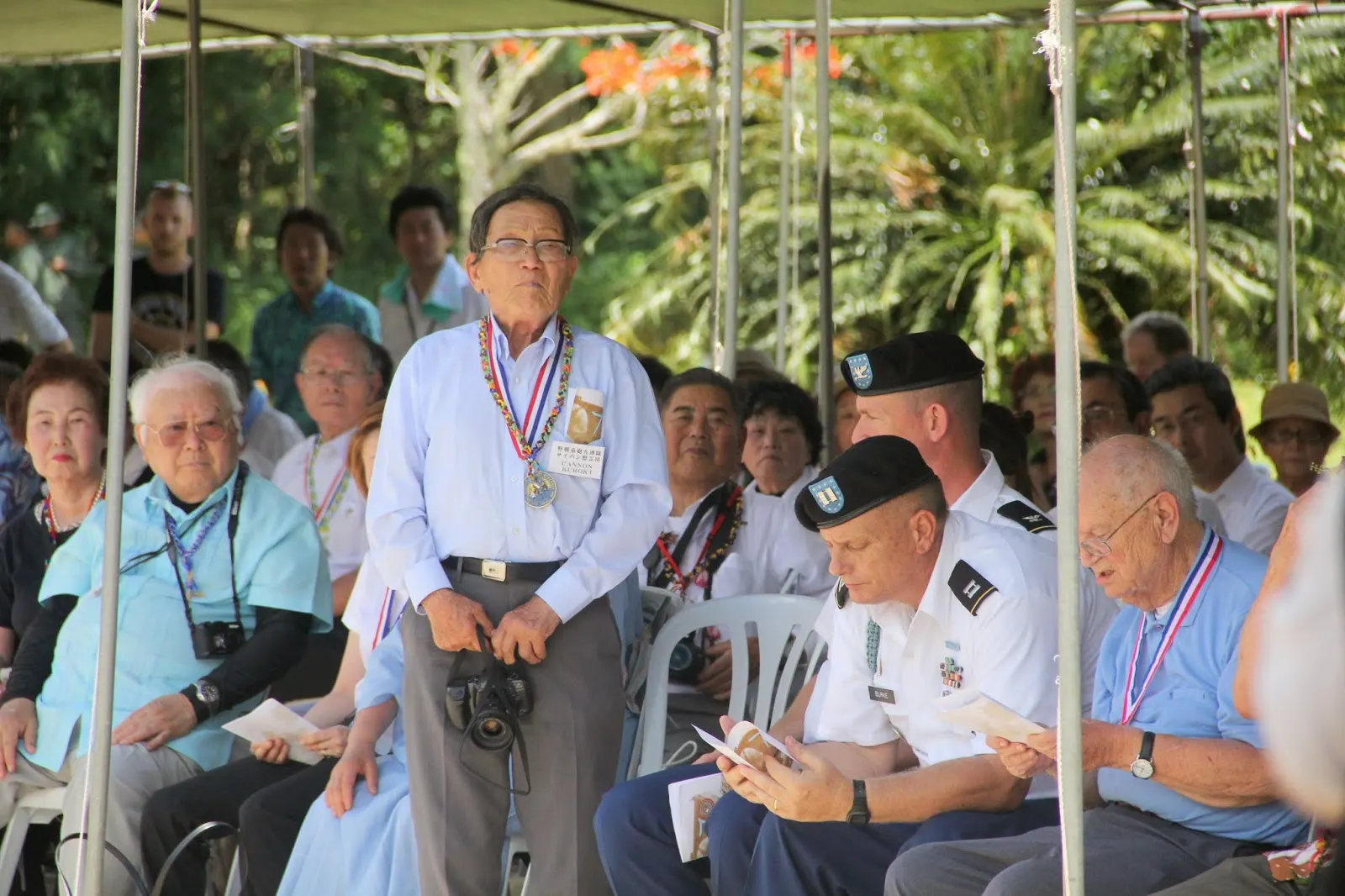
At the American Memorial Park on June 13, during a Camp Fire Chat, Okazaki-san took the stage alongside two American veterans, Carl Matthews and Raymond Kelly. They were old men now, gentle in the evening air, sitting together where their younger selves had once sought to destroy one another. To watch them mingle was to witness something small, patient, and immensely powerful: the quiet, stubborn persistence of peace, and the long, grace-filled work of healing.
comments
00