
Mark Leary Matthews asked about his father’s past, and that opened the door. The old man, Carl Matthews, had kept quiet about the Pacific for a long time. Mark wanted to know about the Marine he was named after—Lt. James Stanley Leary Jr., the platoon leader Carl could not forget.
Carl was born in Texas in the summer of 1924. He joined the Marines in 1941, seventeen years old and small-town bred. He saw Samoa first, got sick, and came back to the States. By February 1944, he was healthy enough to hit the sand at the Marshall Islands, and then came Maui, where they trained in the dirt under Lieutenant Leary and got strong. Carl was the runner. He carried orders through the noise and the brush.
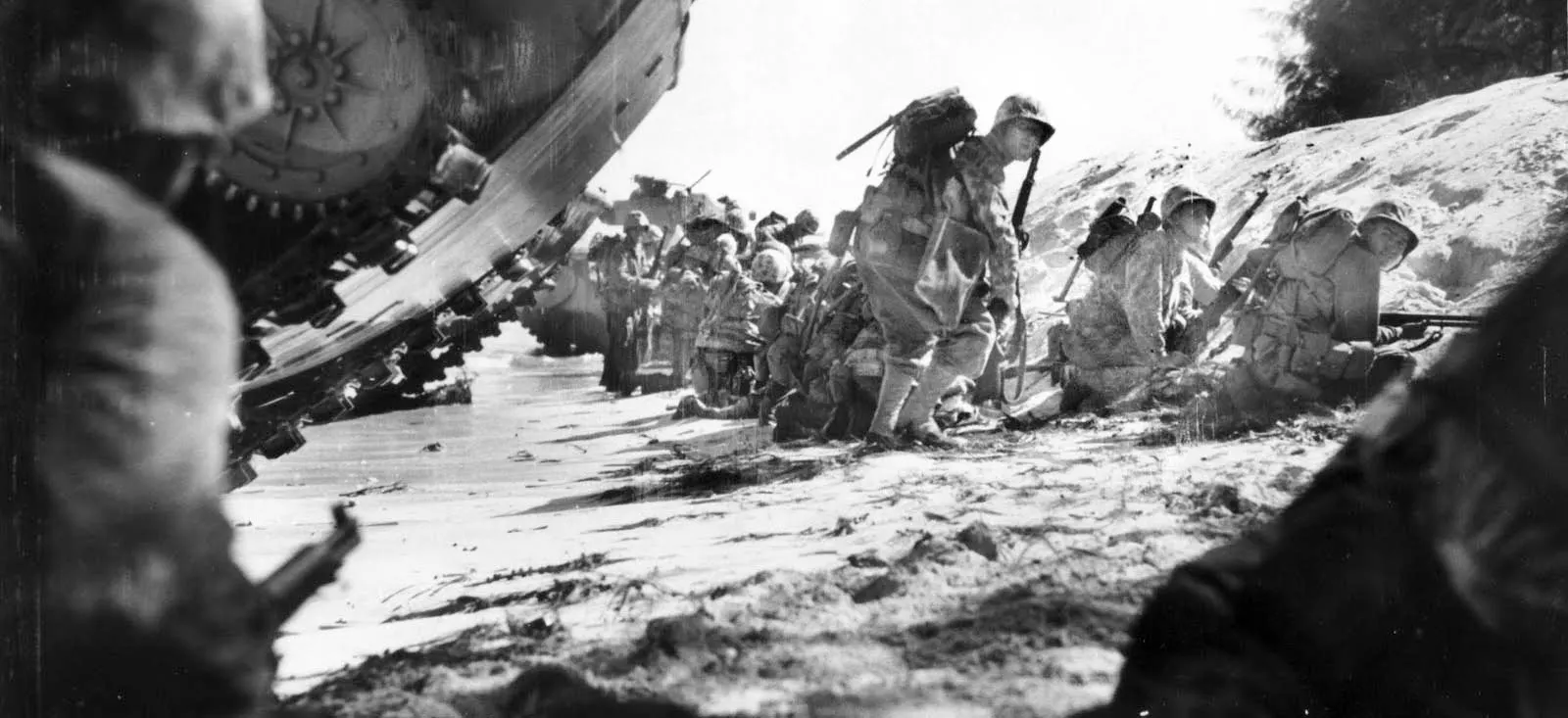
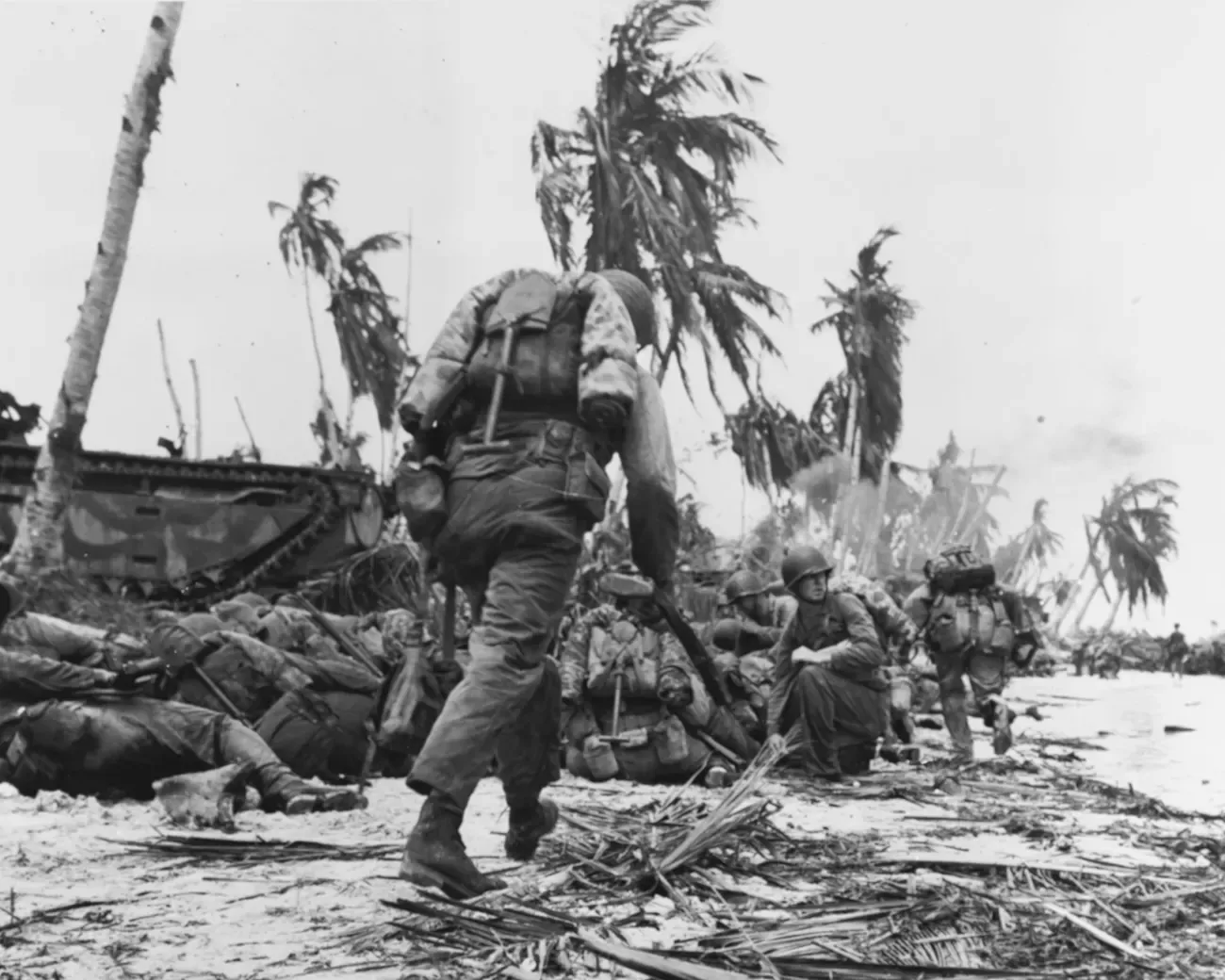
They landed on Saipan on June 15, 1944. A camera caught Carl on the beach for a second before the battle took over. He remembered the smell of the dead on Roi-Namur and the heat on the island. He remembered finding a piece of shrapnel wedged inside a small Gideon Bible.
Men did what they had to do. Richard Freeby went out under fire to bring a man back. Lieutenant Leary did not show fear, and the men followed him because of it. Then the banzai charges came in the night, heavy and desperate, and the fighting turned bad. Near the end of the island, the Lieutenant was killed. Carl saw it happen.
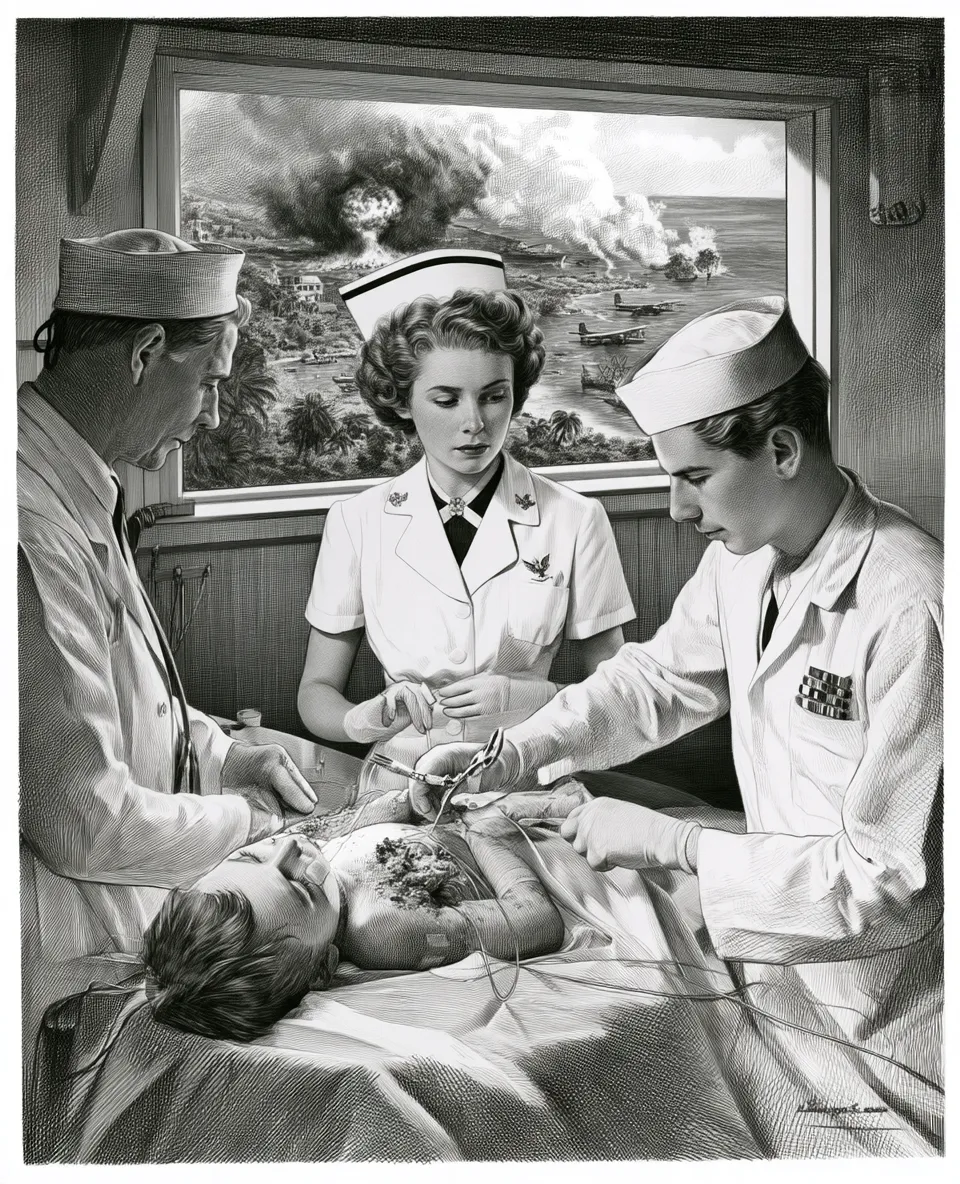
On July 8, shrapnel took Carl out of the line. They carried him to a hospital ship, gave him a Purple Heart, and sent him back home.
When the Marines discharged him in March 1945, he went straight back to Texas. He finished high school on a Friday night in May and started at Baylor University the following Monday. He took two degrees in divinity, preached from small pulpits, worked in social services, and later ran a steel business.
He carried the island with him for fifty years. Then he wrote it down so the memory would not fade. In 2005, a Japanese television crew brought him back to Saipan to make a film about peace. In 2014, seventy years after the invasion, he went back one last time with his wife, Samantha, and met two old Japanese soldiers on the quiet ground where they had once tried to kill each other.
Carl Matthews died in 2017 at ninety-two, having seen the war to its absolute end.
comments
00