
The Taraia object, declared Ric Gillespie—executive director of TIGHAR and proponent of the Nikumaroro hypothesis—is not a piece of the Electra. It is a tree. He had remained skeptical from the start, even as others held out hope.
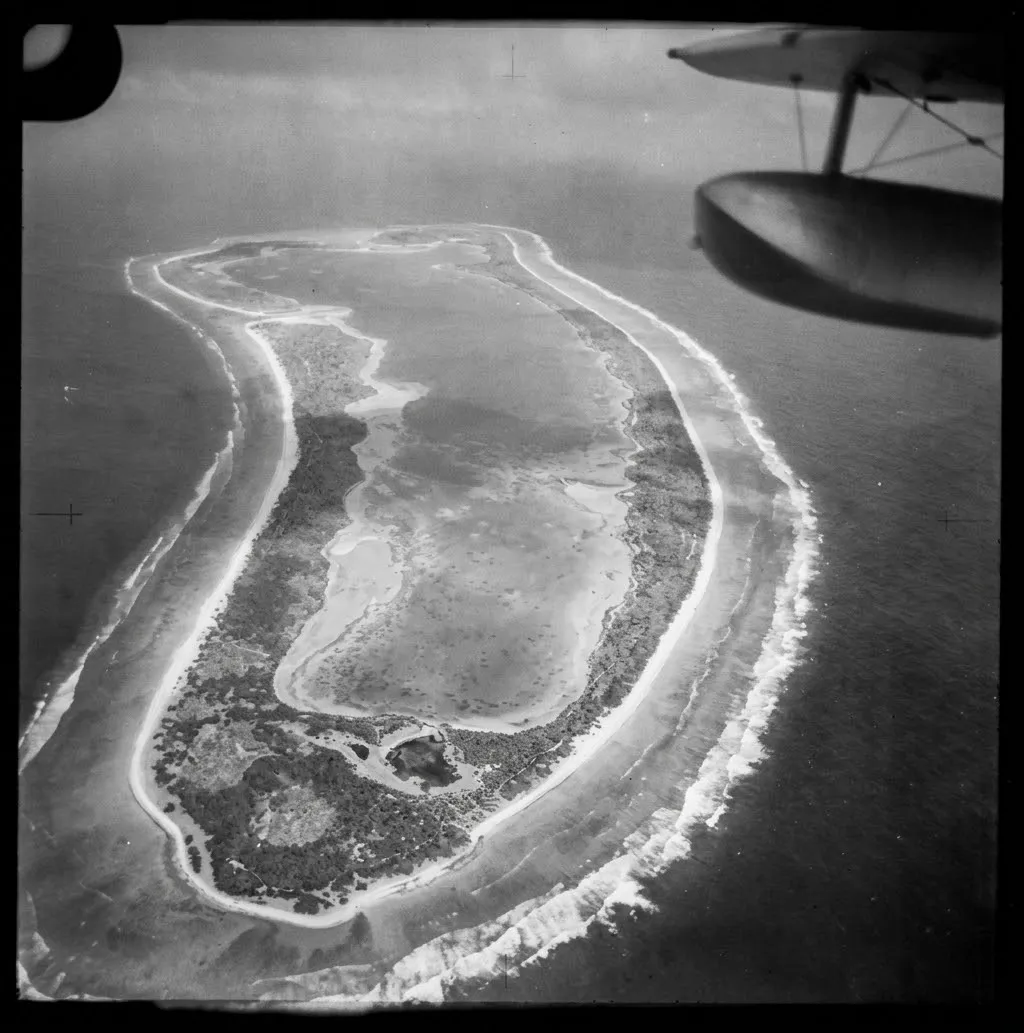
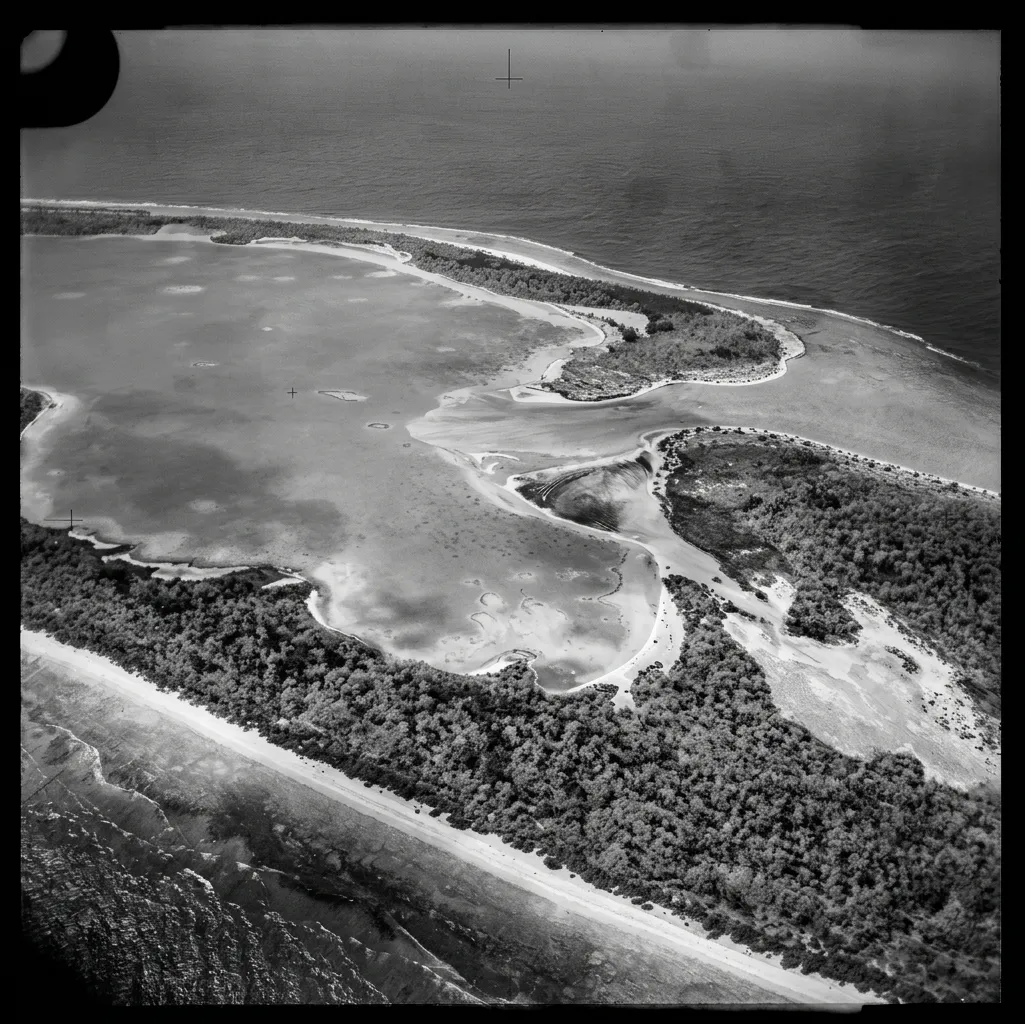
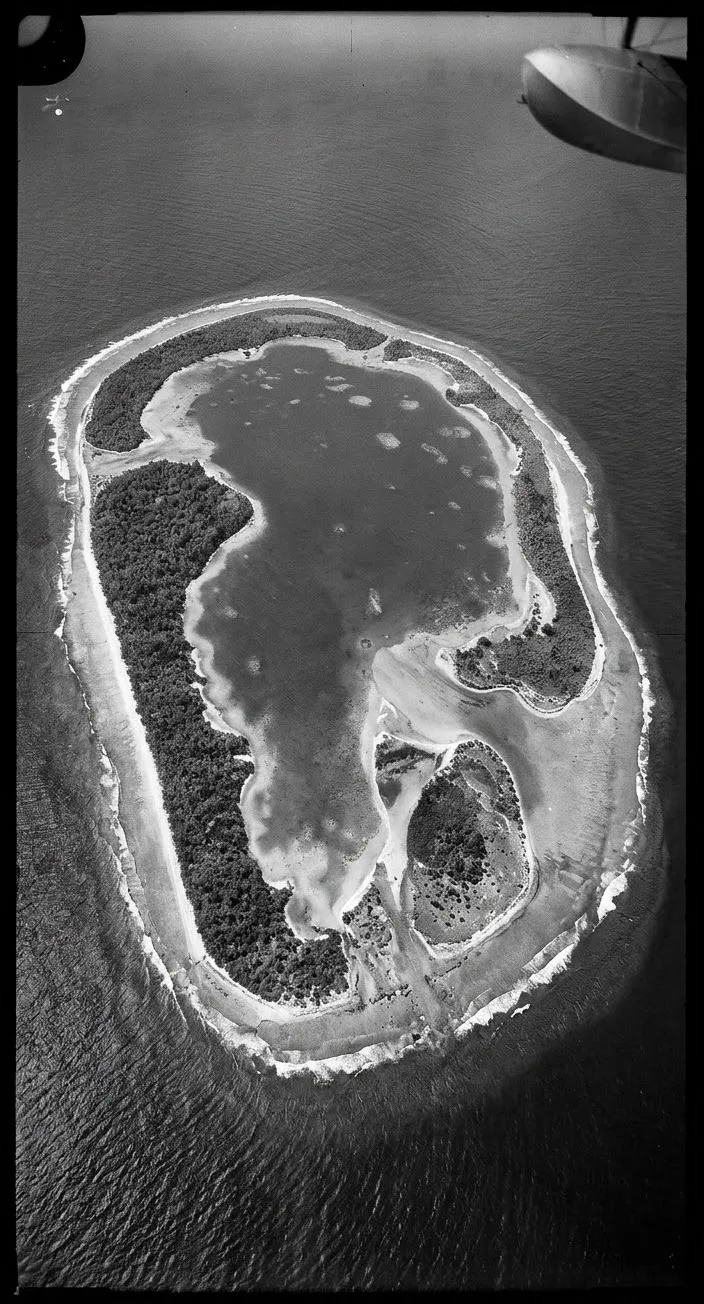
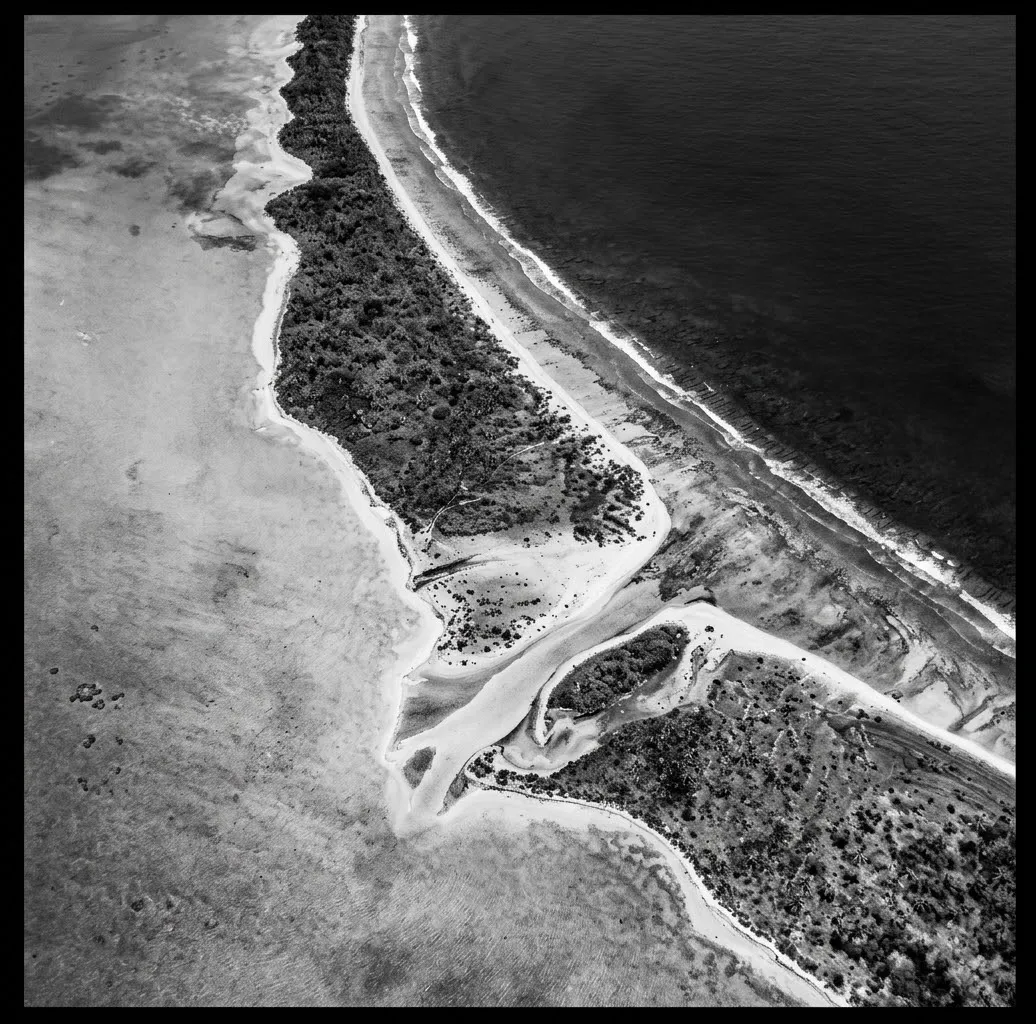
For years, searchers studied those waters believing that 2020 satellite imagery showed more than salt and spray. A team backed by Purdue University made the long voyage back to Nikumaroro to settle the matter. Their persistence deserves credit. Answering these questions takes commitment, traveling to a remote reef among coconut crabs—steel-pincered scavengers indifferent to human ambition. When the team reached the sandspit, they located the metallic glint. But the skepticism proved sound: it was only the carbonate veneer of driftwood, stripped and bleached by the sun.
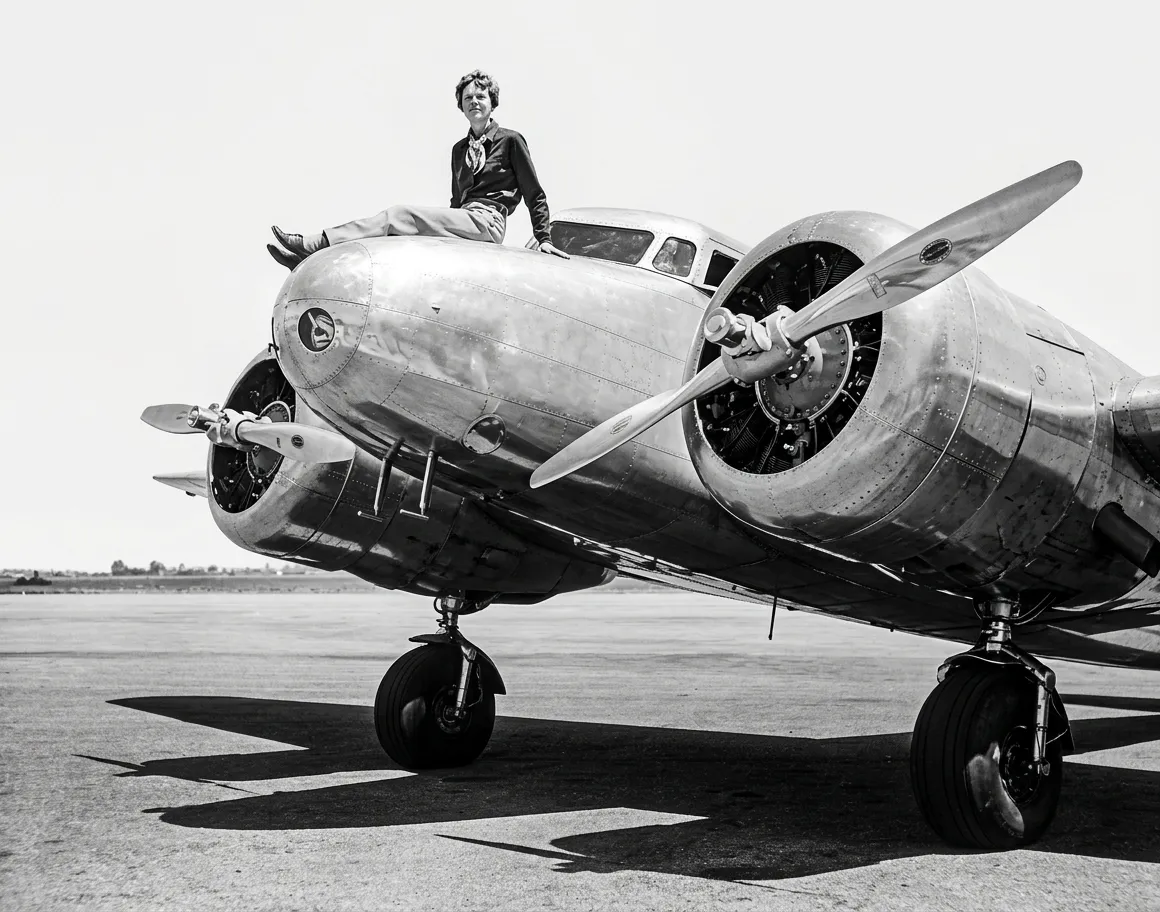
Long-held hypotheses often end this way. In those final recorded moments, low on fuel, Amelia and Fred radioed that they were flying back and forth along the 157-337 navigation line, searching in vain for Howland Island. Faint distress transmissions picked up after July 2, 1937, suggested the pair landed somewhere. Researchers reasoned that the only land within reach was Nikumaroro. Bones were recovered on the atoll in the 1940s—initially classified as male, then later reevaluated—and searchers surmised that coconut crabs scattered what remained.
Yet an uninhabited atoll yields little evidence. Earlier expeditions turned up modest artifacts—a freckle cream jar, a rubber shoe heel, a flight jacket zipper, and a sheet of patched aluminum. But if the Electraever rested on that reef, the slope likely pulled it into deep water long ago.
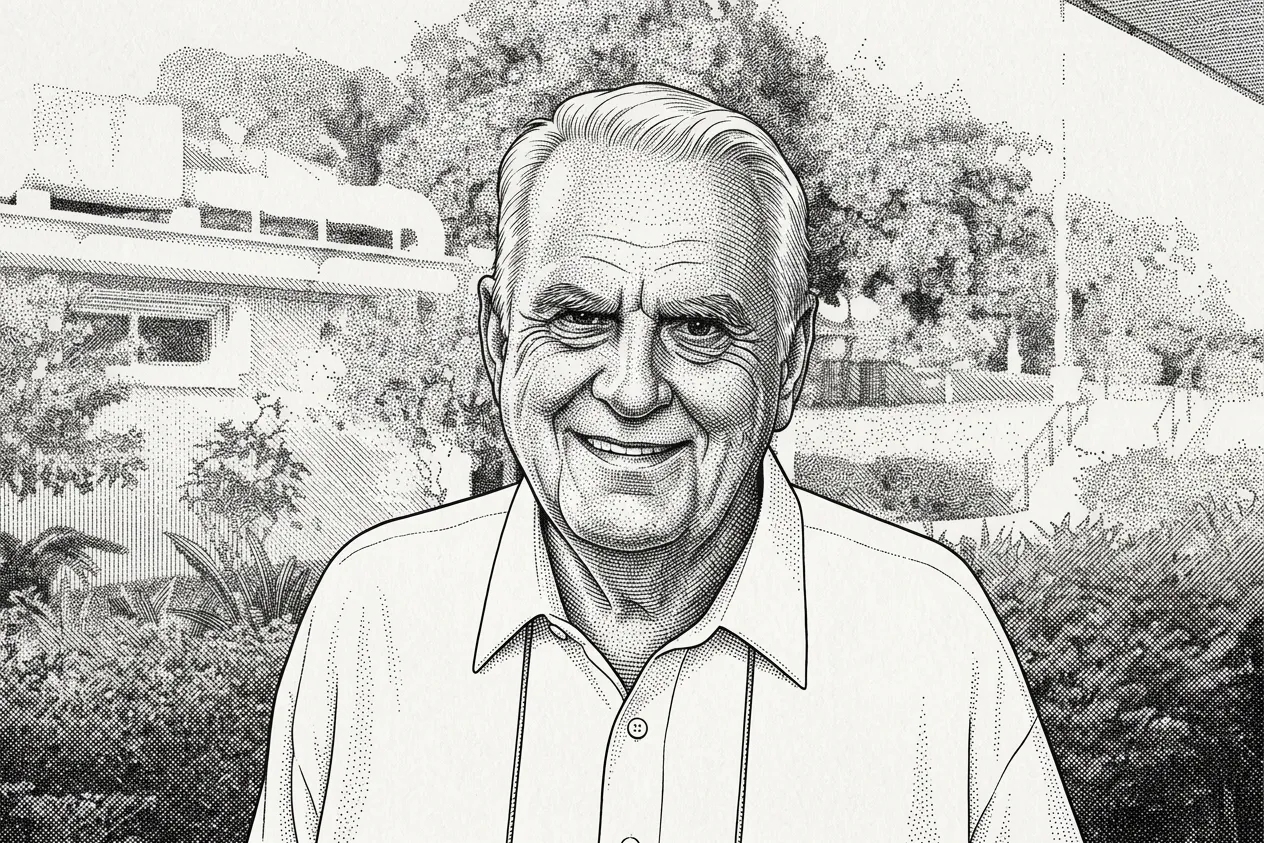
When I covered these developments for the Marianas Variety, Pacific news often touched on land already steeped in history. I interviewed Dr. Thomas King, former lead archaeologist for TIGHAR who also worked in historic preservation in the Northern Marianas, as he analyzed the competing theories. I also gathered transcripts of Father Arnold Bendowske’s interviews with islanders like Matilde Fausto Arriola and Ana Villagomez, who recalled seeing an American woman on Saipan during the war. I respect those eyewitness accounts; it is impossible to dismiss what those men and women witnessed in their time. Perhaps the theories overlap—castaways on Nikumaroro later picked up by Japanese patrols—or perhaps not. Only time will deliver a verdict, and it will take a far stronger argument, backed by unimpeachable evidence, to prove their story belongs elsewhere.
Almost a century later, the trail across the Pacific remains incomplete. Yet each effort moves the work forward. A future team from TIGHAR, Purdue, or another researcher may still trip upon a clue that solves the Earhart mystery—leading somewhere unexpected in the Pacific, or right back to Nikumaroro.



comments
00