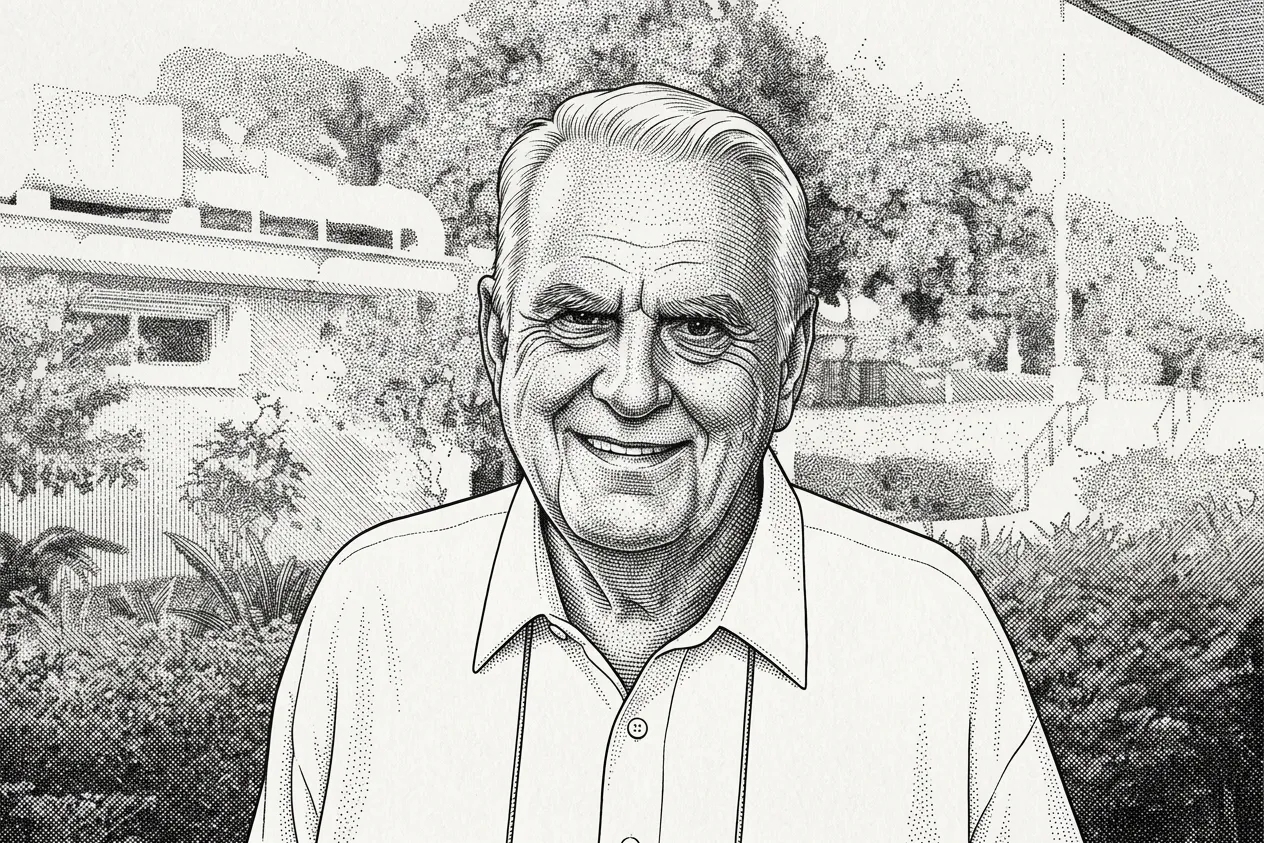
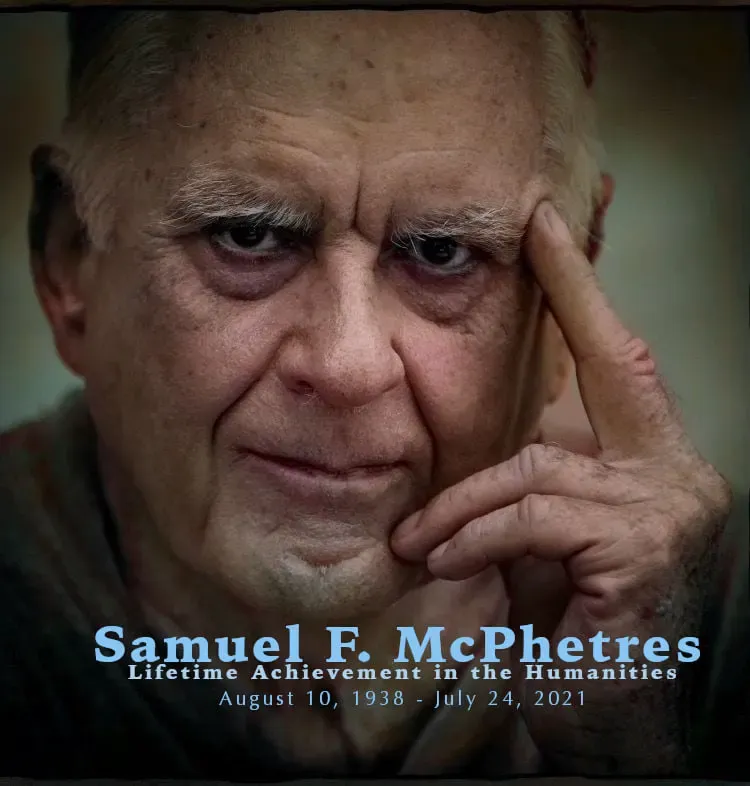
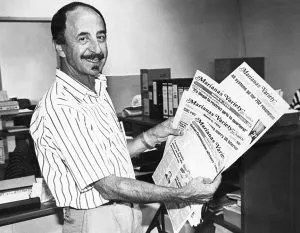
Samuel F. McPhetres had a way of finding himself where history was either being made or quietly filed away. Before he became an archivist in the Mariana Islands, he was simply Sam—a priest’s son from Durango, Colorado, brought up on the early, earnest promise of President Kennedy’s Peace Corps. “It just hit me,” he said once, explaining how a young man from the Rockies ended up teaching in Ecuador in 1962, then in Ivory Coast, and later in Somalia.
He possessed the sensible habit of learning the speech of whatever place he landed in, taking the local tongue for the only proper passport worth carrying. When political trouble in Somalia forced an evacuation, the Peace Corps sent him to Chuuk. He learned passable Chuukese, liked the place, and stayed.
In time, he moved to Saipan to work in public affairs for the Trust Territory administration, eventually settling into the quiet domain of the archives. It was there, after a typhoon, that he happened upon a stack of government papers slated for destruction. They covered the lean, crucial years from 1944 to 1952. Seeing what they were, he gathered them up and set about microfilming the whole lot—saving a decade of Pacific memory that now rests safely on reels in Saipan, Honolulu, Chuuk, Palau, and the Marshalls.
He had an eye for the small absurdities of governance, once uncovering that the island administration had been using the California legal code to run things—a detail that helped nudge the territory toward a law more suited to its own shores. He also bore the archivist’s familiar grief over what got away, particularly a lost box of early anthropological notes on local customs that he spoke of with lasting regret.
In his later years, he had in mind to write it all down: the unwinding of the Trust Territory, the rise and fall of the garment trade, the way distant trade agreements made themselves felt on small islands.
Sam McPhetres died on Saipan on July 24, 2021. He leaves his former wife, Agnes Manglona—who studied under the Mercedarian Sisters, became one of the first women in the Northern Marianas to earn a college degree, and later headed the Northern Marianas College—and their children, Josephine and Samuel Jose, along with their families. The papers he saved remain where he left them, waiting in the cool of the archives for anyone with the curiosity to read.
comments
00